Dillard & Clark

Country
Contemporary Country
Country Rock
Bluegrass
 Viberate Rank: 138623
 Viberate Rank: 138623
 Monthly ListenersFollowers
 Subscribers
 Followers
 Followers
 FansTop Spotify Songs
| Track | 7-Day Streams | |
|---|---|---|
1 | 44.18K | |
2 | 10.64K | |
3 | 6.68K | |
4 | 4.76K | |
5 | 3.94K |
Top YouTube VideosMonthly ListenersFeatured in Playlists| Playlist | Followers | |
|---|---|---|
1 |  Country Rock Classics Spotify | 208.75K |
2 |  This Is Us - soundtrack seasons 1 - 6 your own kind of music | 91.75K |
3 |  70's rockstar girlfriend sydneyrossmitchell | 34.50K |
4 |  ASSTRONOMY 202 caneronwinter | 30.86K |
5 |  Very Beautiful Songs Alex Delany | 24.83K |
Audience| City | Monthly Listeners | |
|---|---|---|
1 | | 2.76K |
2 |  | 2.41K |
3 | | 2.41K |
4 | | 2.00K |
5 | | 2.00K |
See full performance history, audience data, playlist activity, rankings, comparisons, and more in Viberate music analytics. Start with a free trial, then continue with a paid plan.
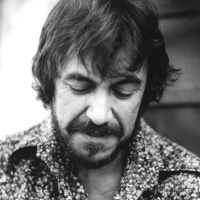
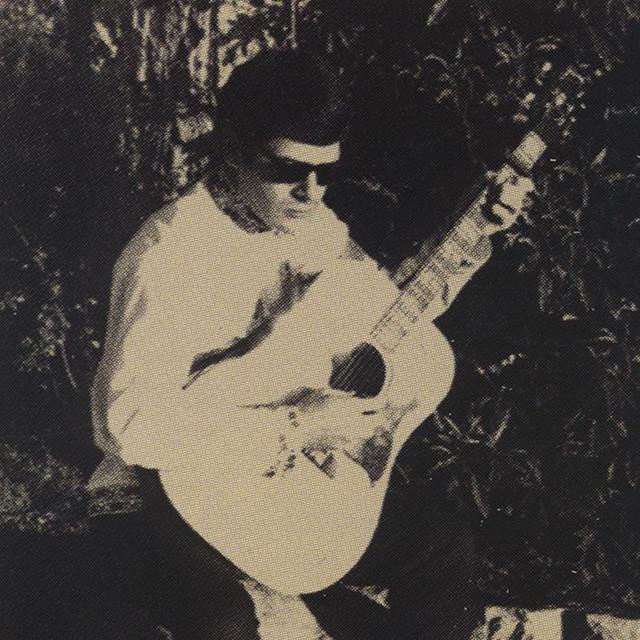
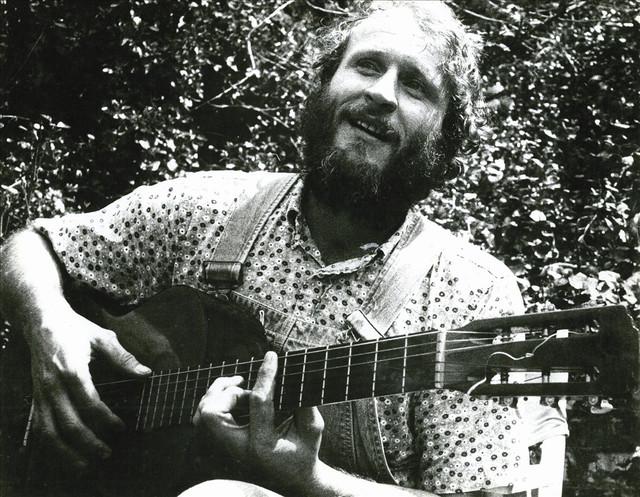
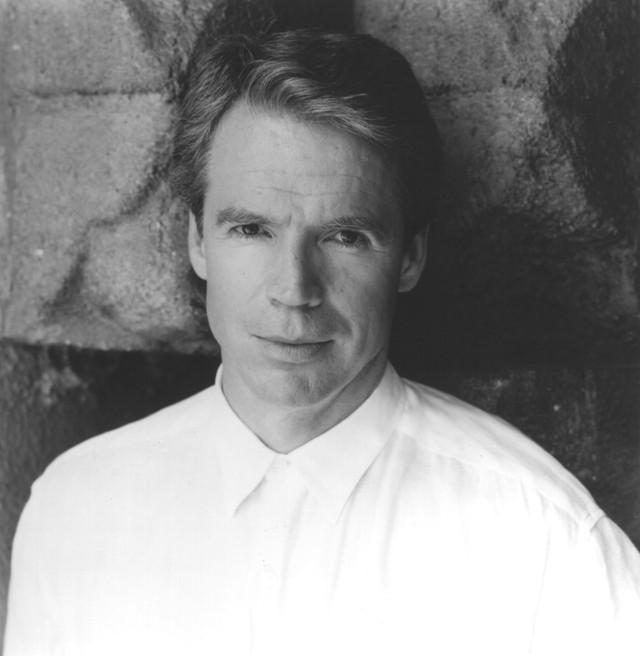
Dillard & Clark’s Spotify BioDillard & Clark, a duo featuring former Byrd Gene Clark and Doug Dillard of the Dillards, was one of the first country-rock groups to form in the late '60s. The group formed in 1968 and became one of pioneers of country-rock, releasing two albums before dissolving after releasing only two albums.
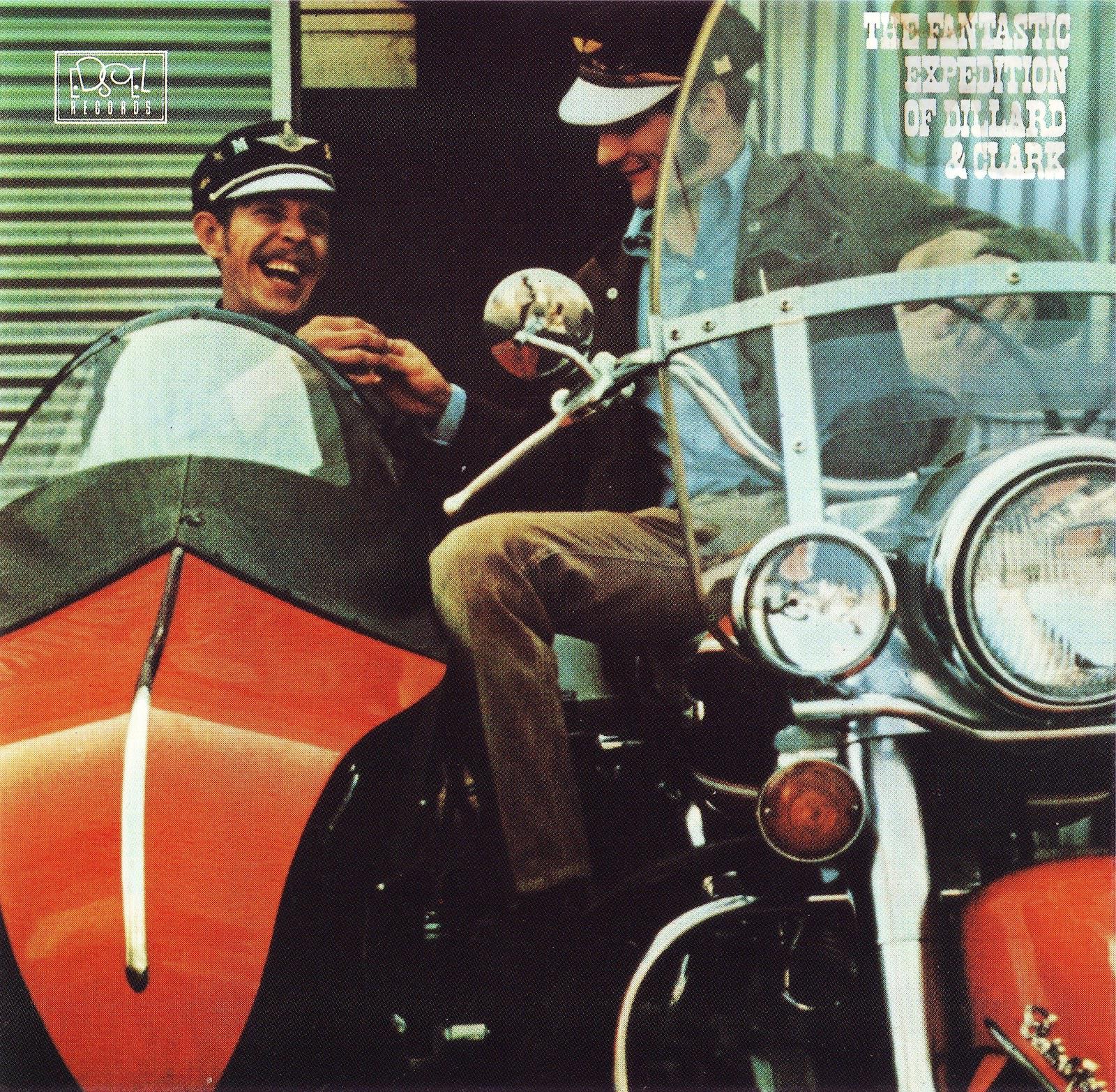
In 1968, Dillard recorded his first solo album, The Banjo Album, which featured such rock musicians as Clark and Bernie Leadon. In the spring of 1968, Dillard toured England as a member of the Byrds, which led to the duo of Dillard & Clark, which officially formed later that summer. The duo secured a record contract with A&M and released their debut album, The Fantastic Expedition of Dillard & Clark, late in 1968. The record was recorded with Bernie Leadon (guitar), Don Beck (dobro, mandolin), and David Jackson (bass). Dillard & Clark toured following the release of the album; their supporting band featured former Byrd Michael Clarke on drums.
Dillard & Clark began recording a second album early… in 1969 with a new supporting band. The new lineup featured Leadon, fiddler Byron Berline, drummer Jon Corneal, and guitarist Donna Washburn; steel guitarist Sneaky Pete Kleinow and Chris Hillman, who were both members of the Flying Burrito Brothers, also guested on the album. The resulting record, Through the Morning, Through the Night, appeared later in the year. After its release, Leadon left the duo; he would join the Eagles soon after his departure. Clark decided to pursue a solo career in early 1970. Dillard continued his solo career, using the remaining members of the duo's backing band as the core of his new outfit, the Expedition.
Dillard and Clark continued to pursue solo careers throughout the '80s and '90s, with Dillard garnering more success and critical acclaim than Clark. Clark died in 1991 at the age of 46. ~ Stephen Thomas Erlewine, Rovi
Viberate is a music analytics platform built for A&Rs, artist managers, labels, booking agents, marketers, and artists.
It helps music professionals track artist growth, analyze audience data, monitor playlist activity, compare artists, follow song performance, and identify opportunities across the music market.
Public artist pages provide a free preview of selected artist data. Paid plans provide access to deeper analytics, historical data, charts, comparisons, playlist tools, exports, alerts, reports, and additional professional features.
Yes. Public Viberate artist pages provide selected artist analytics and music data for free.
Viberate also offers a 7-day free trial of the full platform. A credit card is required to start the trial. The trial includes access to the complete product so users can test deeper artist analytics, historical views, playlist insights, comparisons, charts, exports, alerts, and reporting features before choosing a paid plan.
Viberate provides artist analytics across streaming, playlists, social media, video, radio airplay, songs, and audience markets.
Users can analyze Spotify performance, Spotify and Apple Music playlists, YouTube activity, TikTok and Instagram growth, radio spins, song performance, audience locations, demographics, rankings, and overall artist momentum.
Artist profiles also connect to music charts, similar artists, and comparison tools, helping users benchmark performance and evaluate artists in context.
Viberate updates key artist and track data daily.
For followed artists and tracks, selected data is refreshed multiple times per day. This helps teams monitor playlist changes, streaming movement, audience growth, releases, and campaign performance with more current data.
Update frequency can vary depending on the metric and data source.
Yes. Viberate lets users compare up to five artists side by side across streaming, social media, audience, and engagement metrics.
Users can compare fanbase growth, audience demographics, locations, Spotify performance, social metrics, and other artist data over selected time periods.
Artist comparison can be used for A&R scouting, benchmarking, booking decisions, campaign planning, and evaluating artists with similar audiences or market positions.