Digital Leather

Rock
Psychedelic Rock
Noise Rock
 Viberate Rank: 385566
 Viberate Rank: 385566
 Monthly ListenersFollowers
 Subscribers
 Followers
 Followers
 FansTop Spotify Songs
| Track | 7-Day Streams | |
|---|---|---|
1 | 118 | |
2 | 62 | |
3 | 45 | |
4 | 44 | |
5 | 32 |
Top YouTube VideosMonthly ListenersFeatured in Playlists| Playlist | Followers | |
|---|---|---|
1 |  Berghain Playlist 01 | Marcel Dettmann Ostgut Ton | 3.93K |
2 |  The Sound of Synth Punk The Sounds of Spotify | 3.22K |
3 |  The Best Show on WFMU Jared Duncan | 1.51K |
4 |  Fat Possum Records Gunnar Lindberg | 1.36K |
5 |  i’m a punk rocker hullliiiaaa | 1.36K |
Audience| City | Monthly Listeners | |
|---|---|---|
1 | | 28 |
2 | | 23 |
3 |  | 20 |
4 | | 20 |
5 | | 19 |
See full performance history, audience data, playlist activity, rankings, comparisons, and more in Viberate music analytics. Start with a free trial, then continue with a paid plan.
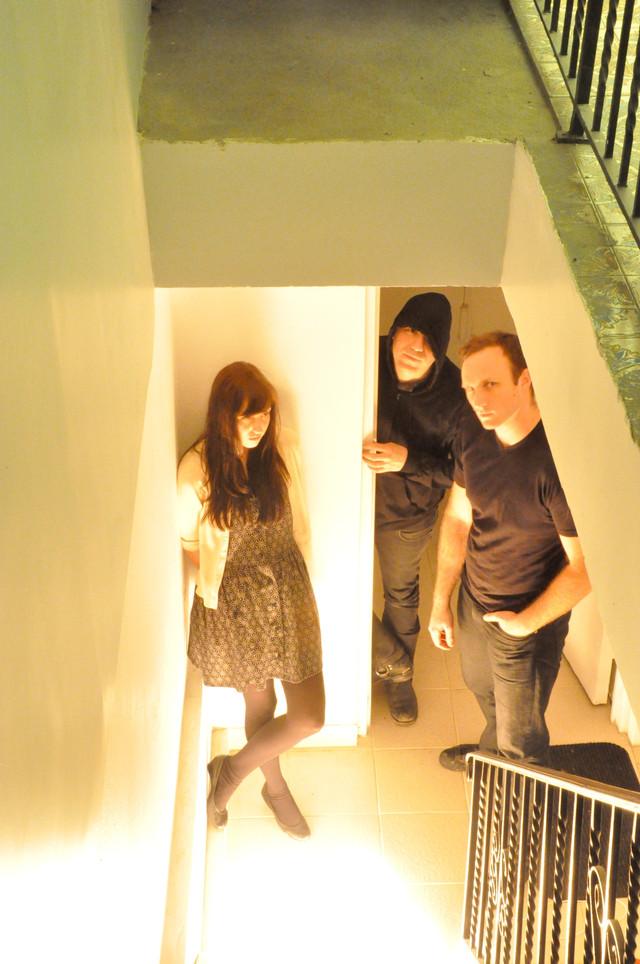
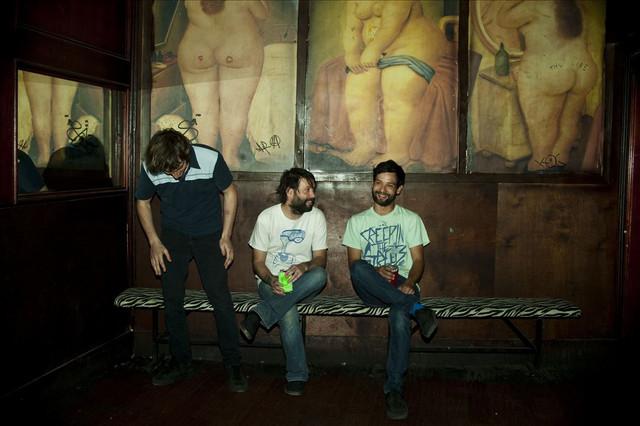
Digital Leather’s Spotify BioSynth-punk outfit Digital Leather is the creation of Shawn Foree, who fuses vintage electronic keyboards with loud, fuzzy guitars to create a sound that mixes elements of punk, garage rock, synth pop, and new wave into something that's rough and passionate despite the electronic surfaces. Born in Yuma, Arizona in the early '80s, Foree was raised in what he describes as "a hippie commune" centered around the Baha'i faith, and in interviews he still claims he's trying to achieve "a hippie vibe" in his music, though one might not guess that from listening to the records. In time, Foree discovered music and became an avid home recording fan, using student loan money to buy his first four-track recorder during his freshman year in college. Foree claims he spent most of his second year at college making bedroom recordings and experimenting with hallucinogens, and didn't bother returning to school after that. He started circulating his recordings, and in 2002, Digital Leather went from a… one-man project to something like a band with the addition of additional musician Bryan Wong. After releasing a handful of 7" singles, Foree dropped Digital Leather's first album, Monologue, in 2006, and he assembled a live version of the group to take the show on the road, with Foree on synthesizers and vocals, Ryan Wong on drums, Rusty Rousseau on synth, and Steve Sleaze on guitars. A second album, Blow Machine, appeared in 2007, and in 2008, Goner Records issued Sorcerer, which included live recordings from Memphis' Buccaneer Lounge alongside fresh tracks from Foree's makeshift studio. Sorcerer was mastered by fellow new punk firebrand Jay Reatard, who was enthusiastic enough about Foree's music to become Digital Leather's manager. In 2009, Digital Leather signed a deal with Fat Possum Records, who released their fourth album, Warm Brother, in the fall of 2009. ~ Mark Deming, Rovi
Viberate is a music analytics platform built for A&Rs, artist managers, labels, booking agents, marketers, and artists.
It helps music professionals track artist growth, analyze audience data, monitor playlist activity, compare artists, follow song performance, and identify opportunities across the music market.
Public artist pages provide a free preview of selected artist data. Paid plans provide access to deeper analytics, historical data, charts, comparisons, playlist tools, exports, alerts, reports, and additional professional features.
Yes. Public Viberate artist pages provide selected artist analytics and music data for free.
Viberate also offers a 7-day free trial of the full platform. A credit card is required to start the trial. The trial includes access to the complete product so users can test deeper artist analytics, historical views, playlist insights, comparisons, charts, exports, alerts, and reporting features before choosing a paid plan.
Viberate provides artist analytics across streaming, playlists, social media, video, radio airplay, songs, and audience markets.
Users can analyze Spotify performance, Spotify and Apple Music playlists, YouTube activity, TikTok and Instagram growth, radio spins, song performance, audience locations, demographics, rankings, and overall artist momentum.
Artist profiles also connect to music charts, similar artists, and comparison tools, helping users benchmark performance and evaluate artists in context.
Viberate updates key artist and track data daily.
For followed artists and tracks, selected data is refreshed multiple times per day. This helps teams monitor playlist changes, streaming movement, audience growth, releases, and campaign performance with more current data.
Update frequency can vary depending on the metric and data source.
Yes. Viberate lets users compare up to five artists side by side across streaming, social media, audience, and engagement metrics.
Users can compare fanbase growth, audience demographics, locations, Spotify performance, social metrics, and other artist data over selected time periods.
Artist comparison can be used for A&R scouting, benchmarking, booking decisions, campaign planning, and evaluating artists with similar audiences or market positions.