Dif Juz

Rock
Indie Rock
Dream Pop
 Viberate Rank: 314517
 Viberate Rank: 314517
 Monthly ListenersFollowers
 Subscribers
 Followers
 Followers
 FansTop Spotify Songs
| Track | 7-Day Streams | |
|---|---|---|
1 | 606 | |
2 | 348 | |
3 | 308 | |
4 | 208 | |
5 | 170 |
Top YouTube VideosMonthly ListenersFeatured in Playlists| Playlist | Followers | |
|---|---|---|
1 |  Best of 4AD: 1980-2000 4AD | 11.41K |
2 |  Joy Orbits The Sun joy_orbits_the_sun | 10.23K |
3 |  ESPOOKYS!🦇 Ciguapa305 | 9.64K |
4 |  Dark Wave / New Wave Molly Gougeon | 7.02K |
5 |  The Sound of Dream Pop The Sounds of Spotify | 6.71K |
Audience| City | Monthly Listeners | |
|---|---|---|
1 | | 73 |
2 |  | 73 |
3 |  | 54 |
4 | | 49 |
5 | | 49 |
See full performance history, audience data, playlist activity, rankings, comparisons, and more in Viberate music analytics. Start with a free trial, then continue with a paid plan.
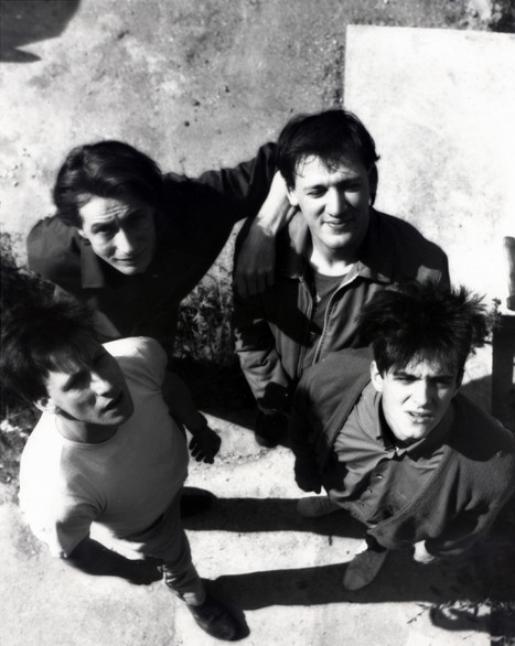
Dif Juz’s Spotify BioEarly proponents of what only later became the 4AD sound, Dif Juz concentrated on just that, lacking a vocalist on all their recordings except for a guest spot or two by the Cocteau Twins' Liz Fraser. Originally formed as the punk band London Pride by brothers Dave and Alan Curtis, the band included bassist Gary Bromley and drummer Richie Thomas by the release of two EPs for 4AD Records in 1981, Huremics and Vibrating Air. Both works contained textured instrumentals with a wispy, barely there feel which became a cottage industry for 4AD -- ten years later. A third EP in 1983 (Who Says So?) saw Dif Juz recording for the Red Flame label, and the band's 1985 debut album appeared on Pleasantly Surprised Records. The cassette-only Time Clock Turn Back consisted of extemporaneous vamps recorded live in the studio, and spawned a reunion with 4AD.
The first Dif Juz LP released on 4AD, 1985's Extractions, was much less ambient (though just as moody) than their previous works. It also contained… the first vocal on a Dif Juz record, by the Cocteaus' Liz Fraser; her bandmate Robin Guthrie produced the album. Dif Juz toured with the Cocteau Twins during 1985 and released the mini-album Out of the Trees a year later, but then wasted away. Thomas later worked with both the Jesus & Mary Chain and Butterfly Child, while Dave Curtis joined the Wolfgang Press. ~ John Bush, Rovi
Viberate is a music analytics platform built for A&Rs, artist managers, labels, booking agents, marketers, and artists.
It helps music professionals track artist growth, analyze audience data, monitor playlist activity, compare artists, follow song performance, and identify opportunities across the music market.
Public artist pages provide a free preview of selected artist data. Paid plans provide access to deeper analytics, historical data, charts, comparisons, playlist tools, exports, alerts, reports, and additional professional features.
Yes. Public Viberate artist pages provide selected artist analytics and music data for free.
Viberate also offers a 7-day free trial of the full platform. A credit card is required to start the trial. The trial includes access to the complete product so users can test deeper artist analytics, historical views, playlist insights, comparisons, charts, exports, alerts, and reporting features before choosing a paid plan.
Viberate provides artist analytics across streaming, playlists, social media, video, radio airplay, songs, and audience markets.
Users can analyze Spotify performance, Spotify and Apple Music playlists, YouTube activity, TikTok and Instagram growth, radio spins, song performance, audience locations, demographics, rankings, and overall artist momentum.
Artist profiles also connect to music charts, similar artists, and comparison tools, helping users benchmark performance and evaluate artists in context.
Viberate updates key artist and track data daily.
For followed artists and tracks, selected data is refreshed multiple times per day. This helps teams monitor playlist changes, streaming movement, audience growth, releases, and campaign performance with more current data.
Update frequency can vary depending on the metric and data source.
Yes. Viberate lets users compare up to five artists side by side across streaming, social media, audience, and engagement metrics.
Users can compare fanbase growth, audience demographics, locations, Spotify performance, social metrics, and other artist data over selected time periods.
Artist comparison can be used for A&R scouting, benchmarking, booking decisions, campaign planning, and evaluating artists with similar audiences or market positions.