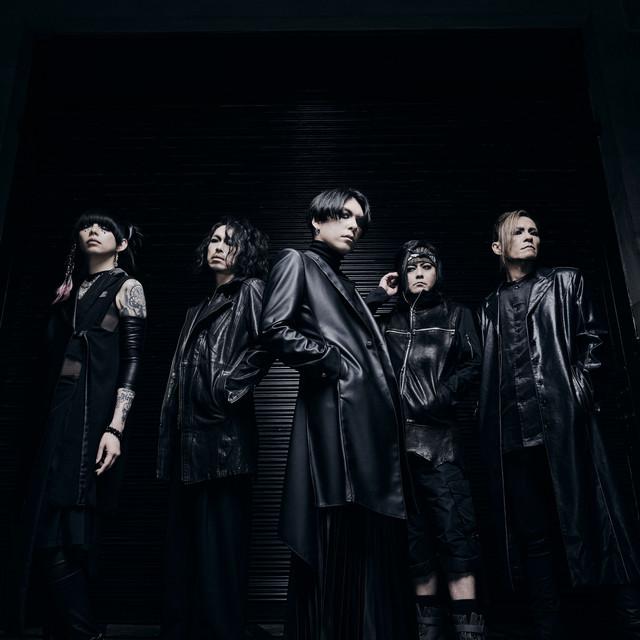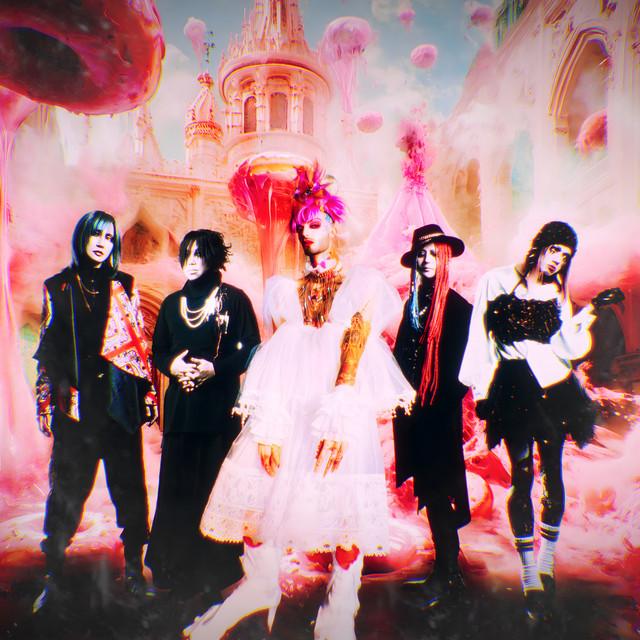
D'espairsray

Rock
Industrial rock
Nu Metal
 Viberate Rank: 121245
 Viberate Rank: 121245
 Monthly ListenersFollowers
 Subscribers
 Followers
 Followers
 FansTop Spotify Songs
| Track | 7-Day Streams | |
|---|---|---|
1 | 3.51K | |
2 | 3.42K | |
3 | 3.40K | |
4 | 2.03K | |
5 | 2.02K |
Top YouTube VideosMonthly ListenersFeatured in Playlists| Playlist | Followers | |
|---|---|---|
1 |  old visual kei jocelyn santillanes | 57.41K |
2 |  Visual Kei Master Playlist JoeySpecialEX | 38.24K |
3 |  an actual Vkei playlist euphoric | 16.17K |
4 | Bible of Nu-Metal/alternatif Grunt | 15.47K |
5 | J-ROCK Tanya Valerio | 15.46K |
Audience| City | Monthly Listeners | |
|---|---|---|
1 |  | 753 |
2 | | 401 |
3 |  | 306 |
4 |  | 300 |
5 |  | 244 |
See full performance history, audience data, playlist activity, rankings, comparisons, and more in Viberate music analytics. Start with a free trial, then continue with a paid plan.
D'espairsray’s Spotify BioIndustrial rock and nu metal band D'espairsRay were founded and have risen to popularity in Japan, but have spent quite a while courting Western audiences, with some degree of success. The group's beginnings date back to 1999, when it was formed by most of the members of the defunct act Le'Veil, namely Hizumi, Karyu, Zero, and Tsukasa -- a lineup that would stay unchanged throughout all of the next decade. The newly formed D'espairsRay had more or less belonged to the indie visual kei scene, although the band slowly drifted toward its own identity based primarily on music, not fashion statements. This process took them some years, during which D'espairsRay toiled on the local scene and slowly moved up the release hierarchy: they started out with three demo tapes in 1999-2000, then had two maxi singles (one of them limited to 1,000 copies), then got around to EPs (Terrors in 2001 and Sexual Beast in 2002).
Then came the turning point -- the single Maverick (2003), which solidified the… band's interest in nu metal. The move proved successful -- the song "Maverick" was reprised on the band's third EP, Born (2004), and D'espairsRay got to play their first gigs outside Japan: in 2004, they had shows in Berlin and Paris. After that they released a live DVD, and only then did they finally have the opportunity to record a full album -- Coll: Set (2005), which was released in Europe in 2006, setting a path for most of their subsequent releases. A North American-European tour followed, with a stint at Wacken Open Air no less, after which came the speedy release of their second full-length album, Mirror (2007). Around that time D'espairsRay also performed at the 2007 J-Rock Revolution festival in Los Angeles, and in early 2008, when Mirror was released in the U.S., they also participated in the huge American touring event Taste of Chaos along with Bullet for My Valentine and Avenged Sevenfold. During 2007-2008 D'espairsRay also had three DVDs out (one documentary and two live recordings). ~ Alexey Eremenko, Rovi
Viberate is a music analytics platform built for A&Rs, artist managers, labels, booking agents, marketers, and artists.
It helps music professionals track artist growth, analyze audience data, monitor playlist activity, compare artists, follow song performance, and identify opportunities across the music market.
Public artist pages provide a free preview of selected artist data. Paid plans provide access to deeper analytics, historical data, charts, comparisons, playlist tools, exports, alerts, reports, and additional professional features.
Yes. Public Viberate artist pages provide selected artist analytics and music data for free.
Viberate also offers a 7-day free trial of the full platform. A credit card is required to start the trial. The trial includes access to the complete product so users can test deeper artist analytics, historical views, playlist insights, comparisons, charts, exports, alerts, and reporting features before choosing a paid plan.
Viberate provides artist analytics across streaming, playlists, social media, video, radio airplay, songs, and audience markets.
Users can analyze Spotify performance, Spotify and Apple Music playlists, YouTube activity, TikTok and Instagram growth, radio spins, song performance, audience locations, demographics, rankings, and overall artist momentum.
Artist profiles also connect to music charts, similar artists, and comparison tools, helping users benchmark performance and evaluate artists in context.
Viberate updates key artist and track data daily.
For followed artists and tracks, selected data is refreshed multiple times per day. This helps teams monitor playlist changes, streaming movement, audience growth, releases, and campaign performance with more current data.
Update frequency can vary depending on the metric and data source.
Yes. Viberate lets users compare up to five artists side by side across streaming, social media, audience, and engagement metrics.
Users can compare fanbase growth, audience demographics, locations, Spotify performance, social metrics, and other artist data over selected time periods.
Artist comparison can be used for A&R scouting, benchmarking, booking decisions, campaign planning, and evaluating artists with similar audiences or market positions.