12012

Rock
Hard Rock
Alternative Rock
Alternative Metal
 Viberate Rank: 188651
 Viberate Rank: 188651
 Monthly ListenersFollowers
 Subscribers
 Followers
 Followers
 FansTop YouTube Videos
| Video | 7-Day Views | |
|---|---|---|
1 | 911 | |
2 | 538 | |
3 | 255 | |
4 | 237 | |
5 | 111 |
Monthly ListenersFeatured in Playlists| Playlist | Followers | |
|---|---|---|
1 |  Visual Kei Master Playlist JoeySpecialEX | 38.24K |
2 |  an actual Vkei playlist euphoric | 16.17K |
3 | Japanese Rock Kim Steinbach Reif | 8.41K |
4 |  v系/jrock/jmetal. June Hjelle | 6.12K |
5 | Japan - J-rock / Visual Kei Selina Lee | 4.84K |
Audience| City | Monthly Listeners | |
|---|---|---|
1 |  | 494 |
2 | | 344 |
3 | | 248 |
4 |  | 196 |
5 |  | 168 |
See full performance history, audience data, playlist activity, rankings, comparisons, and more in Viberate music analytics. Start with a free trial, then continue with a paid plan.
12012’s Spotify BioThe visual kei band 12012 were formed in Osaka in 2003, taking their name from the section of the California penal code relating to possession of a dangerous weapon. Unlike almost every other band in the visual kei scene, the members of 12012 go by their full, real names rather than mononymous stage names. Vocalist Wataru Miyawaki and guitarist Yuusuke Suga had played together in the short-lived Lubis Cadir, while bassist Tomoyuki Enya had been in D=Out frontman Kouki's former group Mist of Rouge. The band was completed by guitarist Hiroaki Sakai and drummer Tohru Kawauchi. Signing immediately to influential indie label Under Code -- where the popular band Vidoll also got their start -- they swiftly established themselves with a powerful, dark, and angular alternative rock sound.
After a number of singles, mini-albums, and tours, in early 2006 the band finally delivered not one but two full-length albums. Not Obtain +1, a compilation of their early, hard to find and out of print… singles, was released simultaneously with their debut album, Play Dolls, which also saw release in Europe through the German label Gan-Shin. That year was busy for 12012, as they released no fewer than five new singles, toured Japan twice, and performed overseas in Germany, France, and the United States. Their success did not go unnoticed by the majors, and in early 2007 they signed a deal with Universal sublabel Nayutawave. But shortly before the release of their major-label debut album, Diamond, the band faced a potentially career-derailing scandal when Miyawaki was arrested and charged with assault, having allegedly attempted to strangle a female acquaintance after a night of heavy drinking. Fortunately, the matter was settled out of court, and all was forgiven after he made a full -- and very public -- apology.
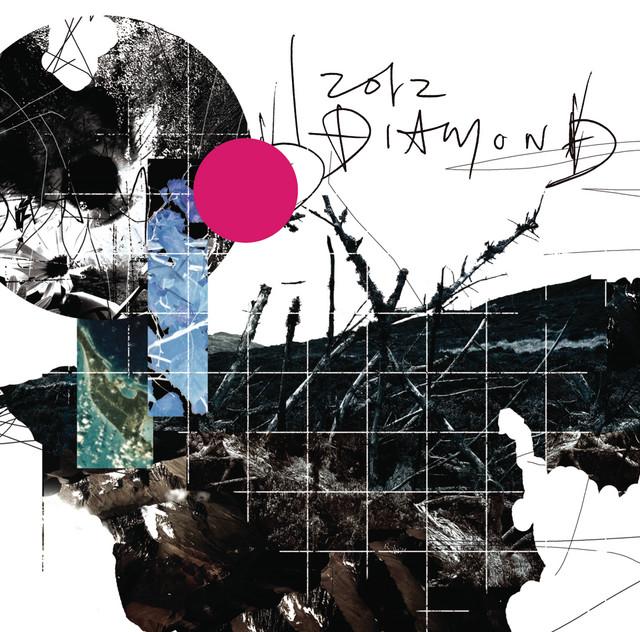
Diamond was a significant change of direction for 12012, as they traded in their abrasive pre-major sound for a markedly poppier and more melodic style, much to the ire of a significant portion of their fan base, with the perceived insult further compounded by the cartoonish video shot for the album's title track, in which they lampooned '70s heist movies in a Keystone Kops style. The band showed no sign of recanting, however, going on to release five new singles in the next year that strengthened the development of its new pop/rock sound. With the release in early 2009 of the follow-up album Mar Maroon (named for an antique Christian saint), some disgruntled former fans went so far as to declare the band "dead" in Internet chat rooms. 12012 were apparently not deaf to these criticisms, as their next album, 2010's Seven, seemed calculated to win back fans of their early material. While not altogether jettisoning the melodic sound of its predecessors, it was decidedly darker in tone, from the deformed, collaged figure on its front cover to the inclusion of songs like the ironically titled "Gossamer," one of the heaviest and most brutal songs in the band's catalog, which featured Miyawaki attempting "death" vocals for the first time. ~ John D. Buchanan, Rovi
Viberate is a music analytics platform built for A&Rs, artist managers, labels, booking agents, marketers, and artists.
It helps music professionals track artist growth, analyze audience data, monitor playlist activity, compare artists, follow song performance, and identify opportunities across the music market.
Public artist pages provide a free preview of selected artist data. Paid plans provide access to deeper analytics, historical data, charts, comparisons, playlist tools, exports, alerts, reports, and additional professional features.
Yes. Public Viberate artist pages provide selected artist analytics and music data for free.
Viberate also offers a 7-day free trial of the full platform. A credit card is required to start the trial. The trial includes access to the complete product so users can test deeper artist analytics, historical views, playlist insights, comparisons, charts, exports, alerts, and reporting features before choosing a paid plan.
Viberate provides artist analytics across streaming, playlists, social media, video, radio airplay, songs, and audience markets.
Users can analyze Spotify performance, Spotify and Apple Music playlists, YouTube activity, TikTok and Instagram growth, radio spins, song performance, audience locations, demographics, rankings, and overall artist momentum.
Artist profiles also connect to music charts, similar artists, and comparison tools, helping users benchmark performance and evaluate artists in context.
Viberate updates key artist and track data daily.
For followed artists and tracks, selected data is refreshed multiple times per day. This helps teams monitor playlist changes, streaming movement, audience growth, releases, and campaign performance with more current data.
Update frequency can vary depending on the metric and data source.
Yes. Viberate lets users compare up to five artists side by side across streaming, social media, audience, and engagement metrics.
Users can compare fanbase growth, audience demographics, locations, Spotify performance, social metrics, and other artist data over selected time periods.
Artist comparison can be used for A&R scouting, benchmarking, booking decisions, campaign planning, and evaluating artists with similar audiences or market positions.