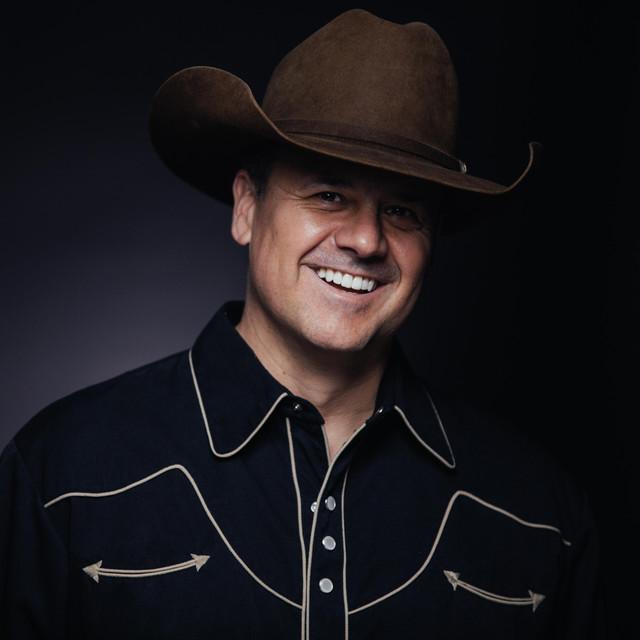
Deryl Dodd

Country
Contemporary Country
Americana/Alt Country
 Viberate Rank: 106293
 Viberate Rank: 106293
 Monthly ListenersFollowers
 Subscribers
 Followers
 Followers
 FansTop Spotify Songs
| Track | 7-Day Streams | |
|---|---|---|
1 | 23.92K | |
2 | 9.53K | |
3 | 6.80K | |
4 | 4.29K | |
5 | 3.84K |
Top YouTube VideosMonthly ListenersFeatured in Playlists| Playlist | Followers | |
|---|---|---|
1 | Cody Johnson - All Songs Lucas Johnson | 51.22K |
2 |  Texas Country and Red Dirt Jordan Dages | 19.79K |
3 | Red Dirt Scott Mead | 10.38K |
4 | Caitlyn Covington | 8.58K |
5 |  Steel Guitar Country Roberto Trevizan | 8.49K |
Audience| City | Monthly Listeners | |
|---|---|---|
1 | | 7.94K |
2 | | 5.39K |
3 | | 5.05K |
4 | | 4.61K |
5 | | 3.69K |
See full performance history, audience data, playlist activity, rankings, comparisons, and more in Viberate music analytics. Start with a free trial, then continue with a paid plan.
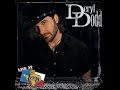
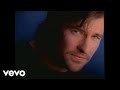
Deryl Dodd’s Spotify BioHonky tonker Deryl Dodd grew up in Dallas, TX, where he favored football over music throughout his formative years. When an injury permanently derailed his athletic career, his fellow students at Baylor University encouraged him to begin performing his music in public, and soon he was one of the biggest attractions on the Waco club circuit. After graduating in 1987, he pursued music full-time, moving in 1991 to Nashville to form a band with his friend Brett Beavers. After supporting Martina McBride during her 1992 tour opening for Garth Brooks, Dodd sang backing vocals on McBride's second LP before embarking on a solo career. He also played in Tracy Lawrence's band and sang harmony on records by Radney Foster and George Ducas. After a 1994 demo deal fell through, Dodd issued his debut album, One Ride in Vegas, in 1996. A self-titled effort followed two years later. Shortly after his 1998 album was released, Dodd was planning national tour, opening for Tim McGraw and Brooks & Dunn, but… his plans were foiled when he was diagnosed with an acute case of viral encephalitis. Dodd was bedridden for six months, per doctor's orders. He then went through a rehabilitation period lasting a year and a half, during which he had to relearn how to play the guitar. After playing songwriter nights in Nashville, Dodd ditched his deal with Columbia Records in favor of Lucky Dog, a Sony imprint dedicated to Texas music. 2002's Pearl Snaps appeared on Lucky Dog. He returned to Texas, where he was fortunate enough to be invited to record Live at Billy Bob's Texas, which was issued in August 2003. After returning to Texas, things continually went up, including the sales of his 2004 album Pearl Snaps. In 2006, Dodd released Full Circle on DualTone Nashville. ~ Jason Ankeny, Rovi
Viberate is a music analytics platform built for A&Rs, artist managers, labels, booking agents, marketers, and artists.
It helps music professionals track artist growth, analyze audience data, monitor playlist activity, compare artists, follow song performance, and identify opportunities across the music market.
Public artist pages provide a free preview of selected artist data. Paid plans provide access to deeper analytics, historical data, charts, comparisons, playlist tools, exports, alerts, reports, and additional professional features.
Yes. Public Viberate artist pages provide selected artist analytics and music data for free.
Viberate also offers a 7-day free trial of the full platform. A credit card is required to start the trial. The trial includes access to the complete product so users can test deeper artist analytics, historical views, playlist insights, comparisons, charts, exports, alerts, and reporting features before choosing a paid plan.
Viberate provides artist analytics across streaming, playlists, social media, video, radio airplay, songs, and audience markets.
Users can analyze Spotify performance, Spotify and Apple Music playlists, YouTube activity, TikTok and Instagram growth, radio spins, song performance, audience locations, demographics, rankings, and overall artist momentum.
Artist profiles also connect to music charts, similar artists, and comparison tools, helping users benchmark performance and evaluate artists in context.
Viberate updates key artist and track data daily.
For followed artists and tracks, selected data is refreshed multiple times per day. This helps teams monitor playlist changes, streaming movement, audience growth, releases, and campaign performance with more current data.
Update frequency can vary depending on the metric and data source.
Yes. Viberate lets users compare up to five artists side by side across streaming, social media, audience, and engagement metrics.
Users can compare fanbase growth, audience demographics, locations, Spotify performance, social metrics, and other artist data over selected time periods.
Artist comparison can be used for A&R scouting, benchmarking, booking decisions, campaign planning, and evaluating artists with similar audiences or market positions.