Cory Morrow

Country
Contemporary Country
Americana/Alt Country
 Viberate Rank: 76654
 Viberate Rank: 76654
 Monthly ListenersFollowers
 Subscribers
 Followers
 Followers
 FansTop Spotify Songs
| Track | 7-Day Streams | |
|---|---|---|
1 | 17.54K | |
2 | 15.04K | |
3 | 10.87K | |
4 | 10.83K | |
5 | 8.64K |
Top YouTube VideosMonthly ListenersFeatured in Playlists| Playlist | Followers | |
|---|---|---|
1 |  Heart Of Texas Spotify | 292.50K |
2 |  New Country 2026 Travis James | 82.67K |
3 |  Out in the Open Ben Kretchman | 64.64K |
4 |  TEXAS COUNTRY 🌵 TXForever1836 | 54.35K |
5 |  The Sound of Everything The Sounds of Spotify | 53.81K |
Audience| City | Monthly Listeners | |
|---|---|---|
1 | | 11.10K |
2 | | 9.21K |
3 | | 7.56K |
4 | | 7.13K |
5 | | 5.05K |
See full performance history, audience data, playlist activity, rankings, comparisons, and more in Viberate music analytics. Start with a free trial, then continue with a paid plan.
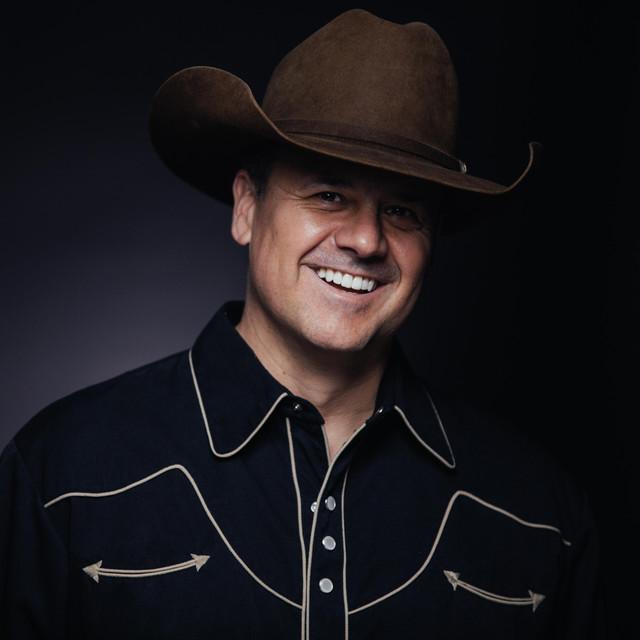
Cory Morrow’s Spotify BioSinger/songwriter Cory Morrow was born and raised in Texas, and he's become a local legend in the Lone Star State, producing a handful of self-released albums and playing an endless string of shows from Amarillo to Corpus Christi that have made him a major attraction in the Southwest. Morrow was born in Houston on May 1, 1971, and began learning to play guitar when he was 15 on an instrument his stepfather won in a coin toss in a Mexican border town. Originally a fan of hard rock acts like ZZ Top and Led Zeppelin, Morrow started writing songs while in high school, but while studying at Texas Tech University in Lubbock, he developed a taste for Lone Star singer/songwriters such as Ray Wylie Hubbard and Robert Earl Keen, and struck up a friendship will fellow aspiring songwriter Pat Green.
Morrow's songs evolved with a more rootsy and personal style, and in 1993 he relocated to Austin in hopes of launching a career as a musician. In 1997, Morrow released an EP on his own Write On record… label, Texas Time Travellin', and he issued his first full-length album later the same year. The Texas-based independent label Watermelon Records signed Morrow and issued his second album, The Man That I Have Been, in 1999, but the company soon went bankrupt and the album quickly fell out of print. (Morrow later reissued it on Write On.) Morrow bounced back in 2001 with a live album, Double Exposure, and the strength of his live show and willingness to tour endlessly through the Southwest helped him build a large and loyal Texas following.
Morrow's college buddy Pat Green had been following a similar path with even greater success, and Morrow enjoyed a career boost when Green recruited him to help record an album of classic country covers, Songs We Wish We'd Written. Morrow continued to record and tour at a frantic pace, and eventually he moved 200,000 discs in Texas through his own label, but in January 2005 Morrow's career hit a serious bump when he was arrested for drunk driving and possession of cocaine after being pulled over by police while driving 100 miles per hour. Morrow was able to strike a plea bargain that reduced the DUI charge to a misdemeanor, and drug charges were dropped due to the small amount of cocaine found, but the brush with the law had a serious effect on Morrow; he cleaned up his act, began focusing on his spiritual side, and began dating a woman who would soon become his fiancée.
In 2008, Morrow released Vagrants and Kings; featuring several songs affirming his renewed faith in his own rough-and-tumble way, the album received nationwide distribution under a new deal with Universal's Sustain label, but it turned out to be a one-album deal. In 2010 Morrow issued the Ramblin' Man EP, and followed it with the full-length Brand New Me, issued by Write On through Ampex Records. The EP hit the top spot on Texas music chart, while the album hit number 20 on the Heatseekers chart, also doing well enough to place at number 49 on the country albums chart thanks in large part to its single, "Lead Me On." He followed it with two different Live at Billy Bob's Texas sets -- one electric, one acoustic -- in 2012. The plugged-in date sold better and reached the Top 40 on the Heatseekers chart. Morrow cut his next studio date at East Austin's 12th Street Sound and Zone Recording Studio in nearby Dripping Springs. He emerged with The Good Fight, a 15-song set issued by Write On through Thirty Tigers. It was released June 16, 2015 and scored well inside the Top 50 on the country albums chart and the Top 40 on the digital country chart, and it hit number 19 on Heatseekers. Morrow returned in 2018 with Whiskey and Pride. ~ Mark Deming, Rovi
Viberate is a music analytics platform built for A&Rs, artist managers, labels, booking agents, marketers, and artists.
It helps music professionals track artist growth, analyze audience data, monitor playlist activity, compare artists, follow song performance, and identify opportunities across the music market.
Public artist pages provide a free preview of selected artist data. Paid plans provide access to deeper analytics, historical data, charts, comparisons, playlist tools, exports, alerts, reports, and additional professional features.
Yes. Public Viberate artist pages provide selected artist analytics and music data for free.
Viberate also offers a 7-day free trial of the full platform. A credit card is required to start the trial. The trial includes access to the complete product so users can test deeper artist analytics, historical views, playlist insights, comparisons, charts, exports, alerts, and reporting features before choosing a paid plan.
Viberate provides artist analytics across streaming, playlists, social media, video, radio airplay, songs, and audience markets.
Users can analyze Spotify performance, Spotify and Apple Music playlists, YouTube activity, TikTok and Instagram growth, radio spins, song performance, audience locations, demographics, rankings, and overall artist momentum.
Artist profiles also connect to music charts, similar artists, and comparison tools, helping users benchmark performance and evaluate artists in context.
Viberate updates key artist and track data daily.
For followed artists and tracks, selected data is refreshed multiple times per day. This helps teams monitor playlist changes, streaming movement, audience growth, releases, and campaign performance with more current data.
Update frequency can vary depending on the metric and data source.
Yes. Viberate lets users compare up to five artists side by side across streaming, social media, audience, and engagement metrics.
Users can compare fanbase growth, audience demographics, locations, Spotify performance, social metrics, and other artist data over selected time periods.
Artist comparison can be used for A&R scouting, benchmarking, booking decisions, campaign planning, and evaluating artists with similar audiences or market positions.