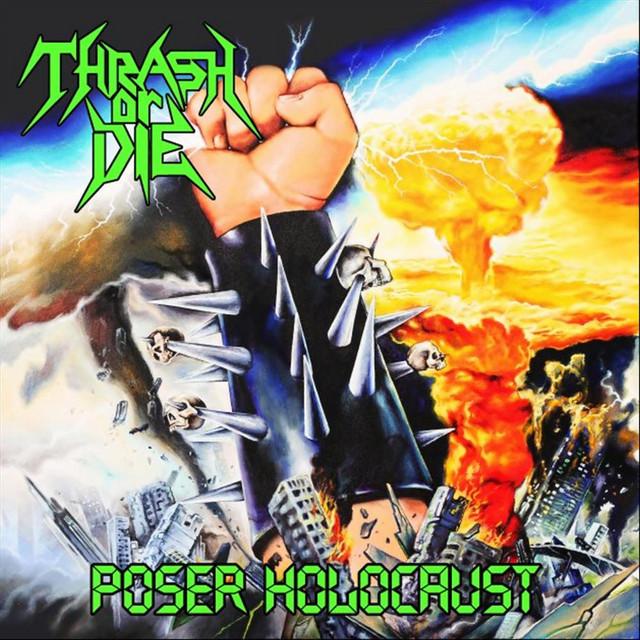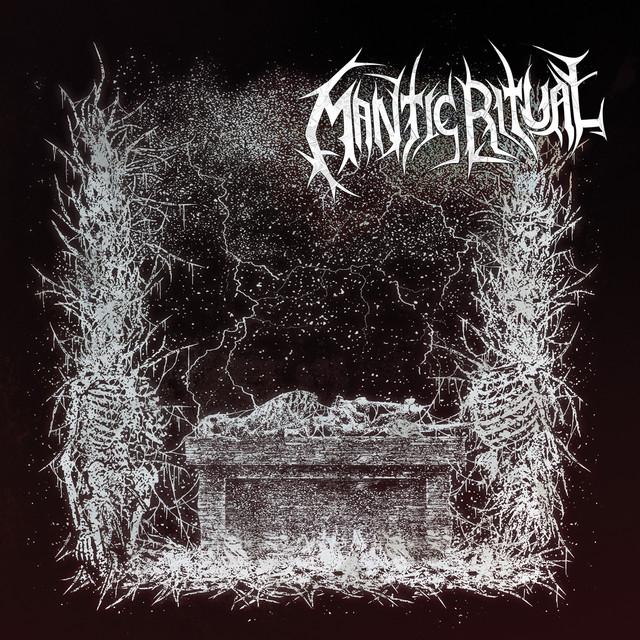
Dekapitator

Metal
Thrash Metal
 Viberate Rank: 270276
 Viberate Rank: 270276
 Monthly ListenersFollowers
 Subscribers
 Followers
 Followers
 FansTop Spotify Songs
| Track | 7-Day Streams | |
|---|---|---|
1 | 134 | |
2 | 96 | |
3 | 77 | |
4 | 68 | |
5 | 55 |
Top YouTube VideosMonthly ListenersFeatured in Playlists| Playlist | Followers | |
|---|---|---|
1 | Thrash Daniel Höld | 4.50K |
2 |  The Sound of Crossover Thrash The Sounds of Spotify | 4.19K |
3 |  Black / Thrash Metal Underground blackspells | 3.17K |
4 | New Thrash Metal thrashguitars | 2.87K |
5 |  21st Century Thrash Loudwire | 2.67K |
Audience| City | Monthly Listeners | |
|---|---|---|
1 |  | 34 |
2 | | 25 |
3 |  | 23 |
4 |  | 19 |
5 |  | 10 |
See full performance history, audience data, playlist activity, rankings, comparisons, and more in Viberate music analytics. Start with a free trial, then continue with a paid plan.
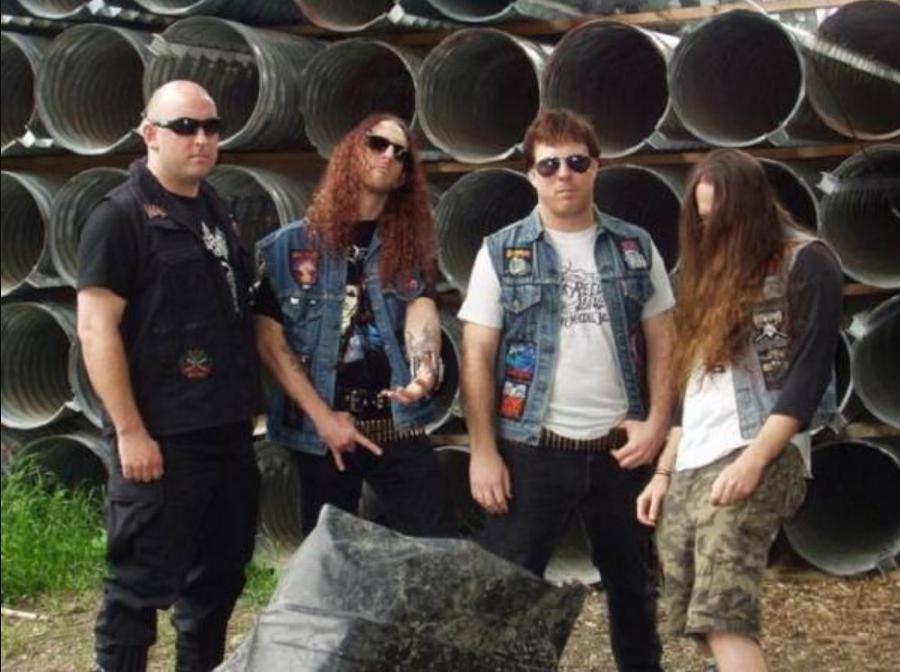
Dekapitator’s Spotify BioDekapitator is a thrash metal band based in San Jose, CA, which was founded in late 1996 by two distracted members of death-gore metal act Exhumed, vocalist/guitarist Matt "Hellfiend" Harvey and drummer Andy Maniac (aka Col. Jones). Together with bassist Dan Bulldoze, the pair began rehearsing early the following year and composing original material inspired by the classic '80s thrash style made famous not only by the many legends from their own Bay Area, but also the German (Kreator, Destruction, etc.) and Canadian scenes (Exciter, Infernal Majesty, etc.). Come 1999, Dekapitator was ready to record a full album, and with death metal veteran James Murphy acting as producer while battling a life-threatening brain tumor, the sessions were much delayed but ultimately gave forth the well-received We Will Destroy...You Will Obey opus. Dekapitator then performed several shows -- most notably 2000's Dismember Festival in San Bernardino -- before being put on ice indefinitely while Hellfiend a…nd Maniac once again busied themselves with Exhumed. In fact, the duo would only find time to resurrect Dekapitator in 2004 and finally unleashed a belated sophomore album in 2007's The Storm Before the Calm -- also featuring rhythm guitarist JasonV "Hacksaw." ~ Eduardo Rivadavia
Viberate is a music analytics platform built for A&Rs, artist managers, labels, booking agents, marketers, and artists.
It helps music professionals track artist growth, analyze audience data, monitor playlist activity, compare artists, follow song performance, and identify opportunities across the music market.
Public artist pages provide a free preview of selected artist data. Paid plans provide access to deeper analytics, historical data, charts, comparisons, playlist tools, exports, alerts, reports, and additional professional features.
Yes. Public Viberate artist pages provide selected artist analytics and music data for free.
Viberate also offers a 7-day free trial of the full platform. A credit card is required to start the trial. The trial includes access to the complete product so users can test deeper artist analytics, historical views, playlist insights, comparisons, charts, exports, alerts, and reporting features before choosing a paid plan.
Viberate provides artist analytics across streaming, playlists, social media, video, radio airplay, songs, and audience markets.
Users can analyze Spotify performance, Spotify and Apple Music playlists, YouTube activity, TikTok and Instagram growth, radio spins, song performance, audience locations, demographics, rankings, and overall artist momentum.
Artist profiles also connect to music charts, similar artists, and comparison tools, helping users benchmark performance and evaluate artists in context.
Viberate updates key artist and track data daily.
For followed artists and tracks, selected data is refreshed multiple times per day. This helps teams monitor playlist changes, streaming movement, audience growth, releases, and campaign performance with more current data.
Update frequency can vary depending on the metric and data source.
Yes. Viberate lets users compare up to five artists side by side across streaming, social media, audience, and engagement metrics.
Users can compare fanbase growth, audience demographics, locations, Spotify performance, social metrics, and other artist data over selected time periods.
Artist comparison can be used for A&R scouting, benchmarking, booking decisions, campaign planning, and evaluating artists with similar audiences or market positions.