Deborah Voigt

Classical
Opera
 Viberate Rank: 269511
 Viberate Rank: 269511
 Monthly ListenersFollowers
 Subscribers
 Followers
 Followers
 FansTop Spotify SongsTop YouTube VideosMonthly ListenersFeatured in Playlists
| Playlist | Followers | |
|---|---|---|
1 |  This Is Wagner Spotify | 113.02K |
2 |  1000 Recordings to Hear Before You Die (Tom Moon): Album Index Ulysses' Classical | 94.29K |
3 |  Wagner - Best of Deutsche Grammophon (DG) | 30.07K |
4 |  This Is Richard Strauss Spotify | 29.10K |
5 | Arias de Opera - Las mas bellas Jaime.Enjoy | 16.56K |
Audience| City | Monthly Listeners | |
|---|---|---|
1 |  | 230 |
2 | | 136 |
3 |  | 115 |
4 |  | 104 |
5 |  | 91 |
See full performance history, audience data, playlist activity, rankings, comparisons, and more in Viberate music analytics. Start with a free trial, then continue with a paid plan.
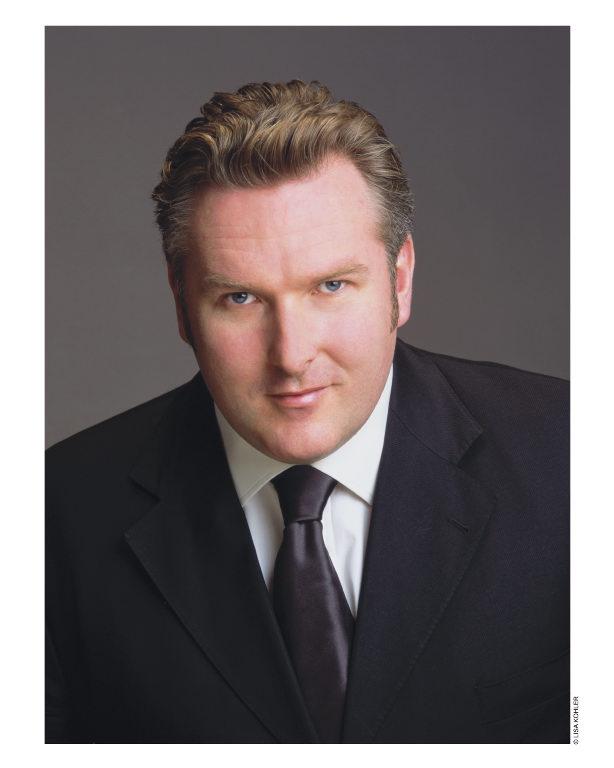
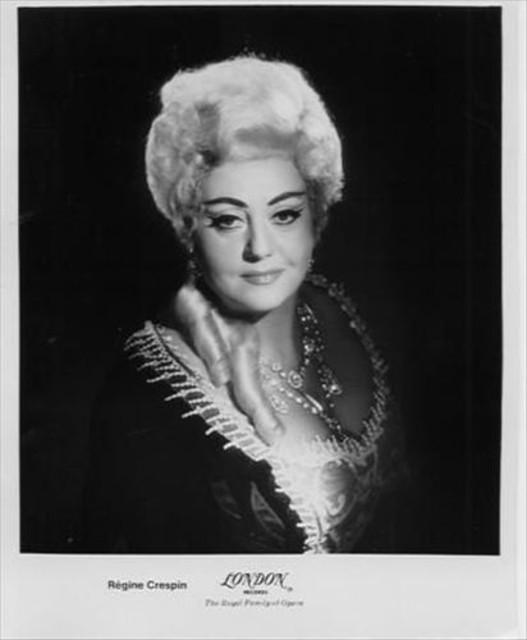
Deborah Voigt’s Spotify BioDeborah Voigt is a leading dramatic soprano, particularly noted for singing Germanic repertory. The raw power and beauty of her voice, combined with unusually fine musicianship and interpretive genius, have made her one of the most sought-after singers of the 1990s and 2000s.
Voigt had little contact with classical music growing up. She was always musical, however, and while attending the University of California, Fullerton, she enjoyed singing with guitar for elementary school children (she calls this her "Julie Andrews/Sound of Music phase"). After graduation she was accepted into the San Francisco Opera's young artist program, where she received intensive coaching and small roles. From that experience, Voigt began carving out a respectable young career, and the magnitude of her talents soon became evident: while she was singing a small role in Richard Strauss' Elektra at the Theatre de la Monnaie in Brussels in 1987, an assistant conductor predicted that "someday [she would] make a… wonderful Chrysothemis," referring to the major role of Elektra's sister, which has since become one of Voigt's signatures.
The next year she gained international fame as the winner of the Luciano Pavarotti Voice Competition; in 1990 she won the Gold Medal at the Tchaikovsky International Competition in Moscow; and in 1992 she won the Richard Tucker Award, which provides a generous award each year to an American artist showing exceptional promise for an outstanding career.
Starring as Ariadne in Strauss' Ariadne auf Naxos with the Boston Lyric Opera became Voigt's breakthrough performance. She repeated the role in her debuts in Munich and Vienna, and later that year she debuted at New York's Metropolitan Opera House as Amelia in Verdi's Un ballo in maschera. In 1992 the prediction of that assistant conductor in Belgium came true when she sang Chrysothemis in a cast that included Hildegard Behrens and Leonie Rysanek and was conducted by James Levine. She rapidly became recognized as one of the most powerful dramatic voices in the world. David Patrick Stearns wrote in USA Today in August 1996, "There comes a point in a Deborah Voigt opera performance, at the end of a difficult aria, when you think she has given her all. Suddenly, the voice hits overdrive -- and a whole new level of vocal power. Audiences go wild."
Voigt has been most closely associated with the works of Strauss (Chrysothemis, Ariadne, the Empress in Die Frau ohne Schatten, The Egyptian Helen) and Verdi (Lady Macbeth, Amelia, Aida, Leonora in La forza del destino). But later in the 1990s she began branching out into Wagnerian roles (Senta, Elsa, Sieglinde, Elisabeth). She is also famous for the part of Cassandra in Berlioz's Les Troyens, Mathilde in Rossini's William Tell and Leonore in Beethoven's Fidelio. Her concert hall repertory includes Schoenberg's Guerrelieder, Zemlinsky's Lyric Symphony, the Verdi Requiem, Mahler's Klagende Lied and Second and Eighth Symphonies, Rossini's Stabat Mater, and Strauss' Four Last Songs.
The early 2000s brought Voigt's career to a new level. In 2003 she sang the prized role of Isolde in Wagner's Tristan und Isolde at the Vienna State Opera and was rewarded with a 23-minute ovation at the production's premiere on May 25. She sang four roles at the Met in New York in the 2003-2004 season and also made her Carnegie Hall recital debut in April 2004, with James Levine accompanying her. (She has also been known to commandeer the keyboard herself at times.) She was named 2003 Vocalist of the Year by Musical America. Voigt played Brünnhilde in Robert Lepage's staging of the complete Ring Cycle at the Met in 2011 and 2012. She remains one of the world's most active and critically acclaimed sopranos.
Viberate is a music analytics platform built for A&Rs, artist managers, labels, booking agents, marketers, and artists.
It helps music professionals track artist growth, analyze audience data, monitor playlist activity, compare artists, follow song performance, and identify opportunities across the music market.
Public artist pages provide a free preview of selected artist data. Paid plans provide access to deeper analytics, historical data, charts, comparisons, playlist tools, exports, alerts, reports, and additional professional features.
Yes. Public Viberate artist pages provide selected artist analytics and music data for free.
Viberate also offers a 7-day free trial of the full platform. A credit card is required to start the trial. The trial includes access to the complete product so users can test deeper artist analytics, historical views, playlist insights, comparisons, charts, exports, alerts, and reporting features before choosing a paid plan.
Viberate provides artist analytics across streaming, playlists, social media, video, radio airplay, songs, and audience markets.
Users can analyze Spotify performance, Spotify and Apple Music playlists, YouTube activity, TikTok and Instagram growth, radio spins, song performance, audience locations, demographics, rankings, and overall artist momentum.
Artist profiles also connect to music charts, similar artists, and comparison tools, helping users benchmark performance and evaluate artists in context.
Viberate updates key artist and track data daily.
For followed artists and tracks, selected data is refreshed multiple times per day. This helps teams monitor playlist changes, streaming movement, audience growth, releases, and campaign performance with more current data.
Update frequency can vary depending on the metric and data source.
Yes. Viberate lets users compare up to five artists side by side across streaming, social media, audience, and engagement metrics.
Users can compare fanbase growth, audience demographics, locations, Spotify performance, social metrics, and other artist data over selected time periods.
Artist comparison can be used for A&R scouting, benchmarking, booking decisions, campaign planning, and evaluating artists with similar audiences or market positions.