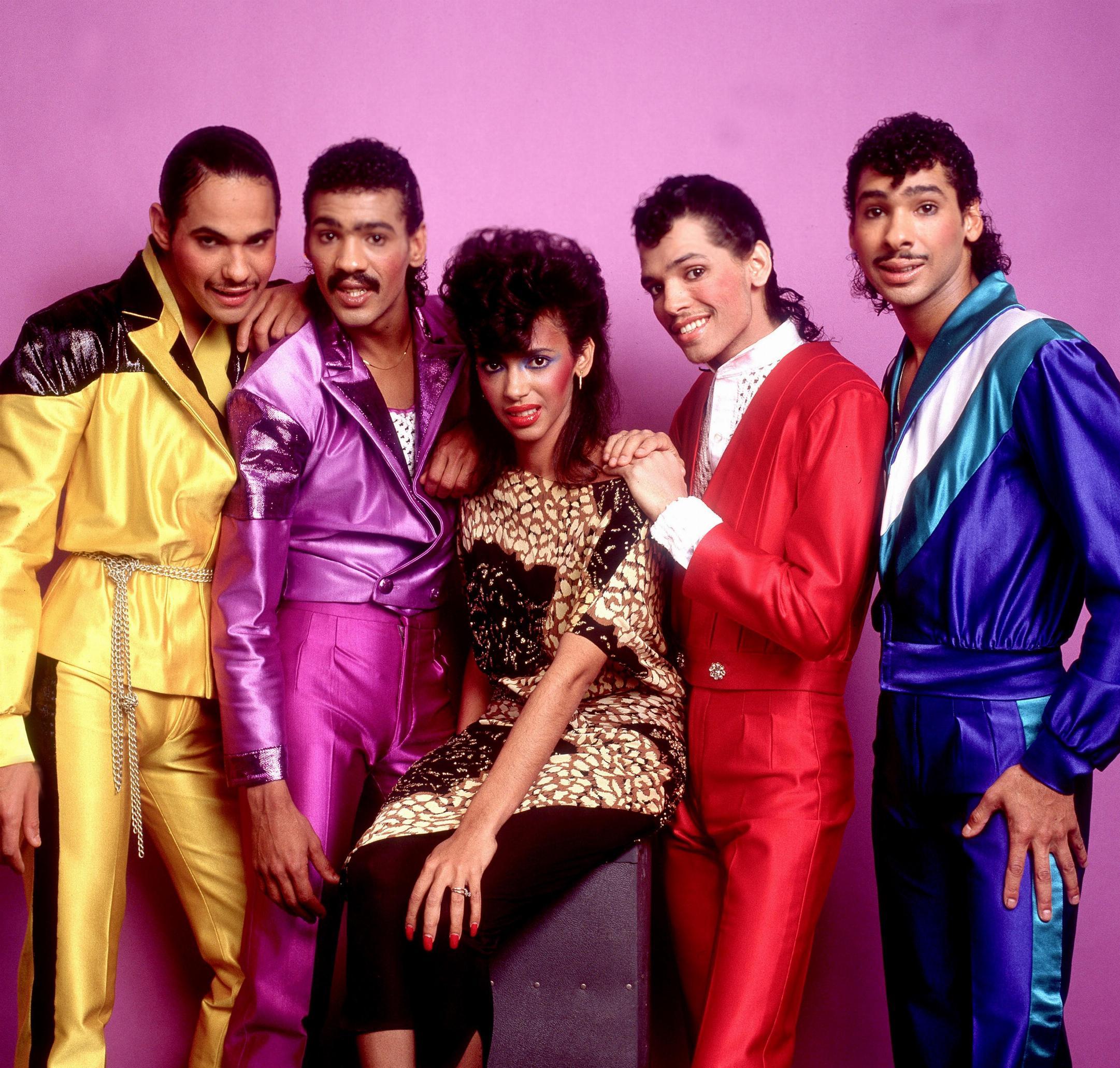
DeBarge

R&B
Funk
Soul
Contemporary R&B
 Viberate Rank: 9438
 Viberate Rank: 9438
 Monthly ListenersFollowers
 Subscribers
 Followers
 Followers
 FansTop Spotify Songs
| Track | 7-Day Streams | |
|---|---|---|
1 | 579.00K | |
2 | 463.41K | |
3 | 354.74K | |
4 | 156.97K | |
5 | 99.52K |
Top YouTube Videos| Video | 7-Day Views | |
|---|---|---|
1 | 104.51K | |
2 | 26.90K | |
3 | 23.55K | |
4 | 13.48K | |
5 | 11.12K |
Monthly ListenersFeatured in Playlists| Playlist | Followers | |
|---|---|---|
1 |  80s Love Songs Spotify | 2.62M |
2 |  Soft 80s Spotify | 1.76M |
3 |  80s Party Spotify | 1.49M |
4 |  80er Hits Spotify | 935.23K |
5 |  ’80s Jam Session Spotify | 876.49K |
Audience| City | Monthly Listeners | |
|---|---|---|
1 |  | 85.15K |
2 | | 48.13K |
3 | | 47.27K |
4 | | 41.66K |
5 | | 37.30K |
See full performance history, audience data, playlist activity, rankings, comparisons, and more in Viberate music analytics. Start with a free trial, then continue with a paid plan.
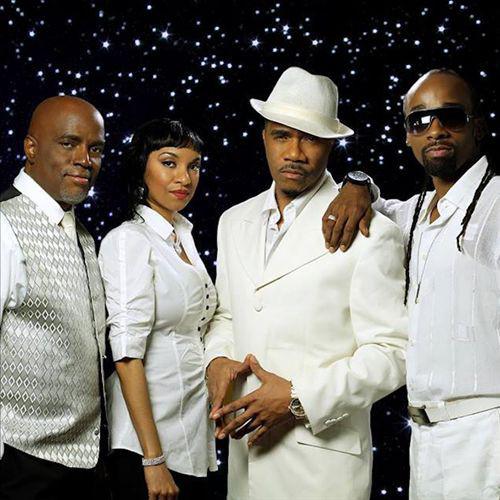
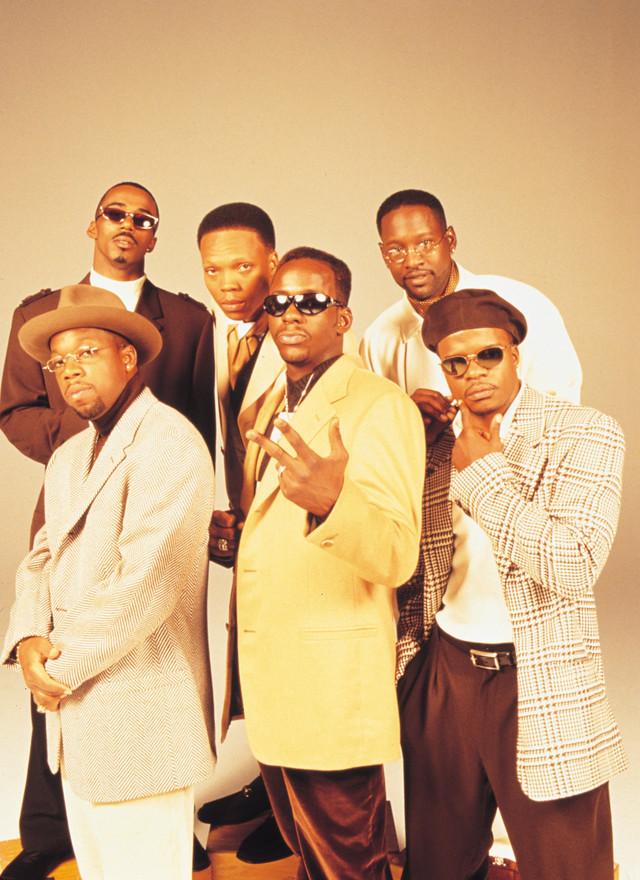
DeBarge’s Spotify BioGroomed to be the heirs to the Jackson 5 throne in the early '80s, DeBarge mirrored the Jacksons early success with a string of hits, but were unable to sustain their winning streak beyond the mid-'80s. Formed in 1978, the Grand Rapids, Michigan quintet was comprised of four brothers and one sister: Eldra, Mark, James, Randy, and Bunny. The group signed with the same label that the Jacksons started with, Motown (via the Gordy subsidiary), courtesy of older brothers Tommy and Bobby (who were members of another Gordy act, Switch). Led by the soft and sweet vocals of Eldra (or El, for short), DeBarge issued a debut album in 1981, The DeBarges, which showed that the group had yet to hone their hit-making style. But the quintet soon found the formula, as their sophomore effort, 1982's All This Love, would go on to become DeBarge's first gold-certified success, and spawn such hit singles as "I Like It," "Time Will Reveal," and the title track.
1983's In a Special Way was another… gold-certified smash, spawning another hit single with "Love Me in a Special Way," and landing an opening slot on a sold-out U.S. tour with Luther Vandross. For their fourth release overall, 1985's Rhythm of the Night, DeBarge enlisted the aid of songwriter Diane Warren plus respected producers David Foster, Richard Perry, Giorgio Moroder, and Glen Ballard, which resulted in the group's third gold album in a row. The biggest hit single of their career, the uptempo title track nearly topped the Billboard Hot 100 and was featured in the movie The Last Dragon. Further hit singles were plucked from the album ("Who's Holding Donna Now?" and "You Wear It Well"), but not all was well behind the scenes.
While 1986 saw the release of the group's first best-of compilation, Greatest Hits, it also signaled El DeBarge's exit from the group. He scored a considerable hit right off the bat with a self-titled debut but struggled with substance abuse and a sporadically active, if occasionally brilliant, recording career. The El-less version of the group managed to issue just one more release, 1987's Back on Track, before splitting up two years later. (During the same time, another DeBarge brother, Chico, launched a recording career.) Further DeBarge compilations saw the light of day, including 1997's Ultimate Collection, 2000's 20th Masters: The Millennium Collection, and 2011's comprehensive Time Will Reveal: The Complete Motown Albums. ~ Greg Prato, Rovi
Viberate is a music analytics platform built for A&Rs, artist managers, labels, booking agents, marketers, and artists.
It helps music professionals track artist growth, analyze audience data, monitor playlist activity, compare artists, follow song performance, and identify opportunities across the music market.
Public artist pages provide a free preview of selected artist data. Paid plans provide access to deeper analytics, historical data, charts, comparisons, playlist tools, exports, alerts, reports, and additional professional features.
Yes. Public Viberate artist pages provide selected artist analytics and music data for free.
Viberate also offers a 7-day free trial of the full platform. A credit card is required to start the trial. The trial includes access to the complete product so users can test deeper artist analytics, historical views, playlist insights, comparisons, charts, exports, alerts, and reporting features before choosing a paid plan.
Viberate provides artist analytics across streaming, playlists, social media, video, radio airplay, songs, and audience markets.
Users can analyze Spotify performance, Spotify and Apple Music playlists, YouTube activity, TikTok and Instagram growth, radio spins, song performance, audience locations, demographics, rankings, and overall artist momentum.
Artist profiles also connect to music charts, similar artists, and comparison tools, helping users benchmark performance and evaluate artists in context.
Viberate updates key artist and track data daily.
For followed artists and tracks, selected data is refreshed multiple times per day. This helps teams monitor playlist changes, streaming movement, audience growth, releases, and campaign performance with more current data.
Update frequency can vary depending on the metric and data source.
Yes. Viberate lets users compare up to five artists side by side across streaming, social media, audience, and engagement metrics.
Users can compare fanbase growth, audience demographics, locations, Spotify performance, social metrics, and other artist data over selected time periods.
Artist comparison can be used for A&R scouting, benchmarking, booking decisions, campaign planning, and evaluating artists with similar audiences or market positions.