New Edition

R&B
Contemporary R&B
 Viberate Rank: 4984
 Viberate Rank: 4984
 Monthly ListenersFollowers
 Subscribers
 Followers
 Followers
 FansTop Spotify Songs
| Track | 7-Day Streams | |
|---|---|---|
1 | 494.75K | |
2 | 406.57K | |
3 | 193.35K | |
4 | 177.85K | |
5 | 125.84K |
Top YouTube Videos| Video | 7-Day Views | |
|---|---|---|
1 | 674.13K | |
2 | 185.46K | |
3 | 147.14K | |
4 | 141.85K | |
5 | 65.02K |
Monthly ListenersFeatured in Playlists| Playlist | Followers | |
|---|---|---|
1 |  Soft 80s Spotify | 1.76M |
2 |  Film & TV Favorites: 90s Black Cinema Spotify | 954.48K |
3 |  ’80s Jam Session Spotify | 876.49K |
4 |  Ultimate Boybands Spotify | 762.22K |
5 |  Old Songs Everyone Knows Ben Lillie | 566.30K |
Audience| City | Monthly Listeners | |
|---|---|---|
1 |  | 135.69K |
2 | | 62.55K |
3 | | 49.02K |
4 | | 45.14K |
5 | | 42.80K |
See full performance history, audience data, playlist activity, rankings, comparisons, and more in Viberate music analytics. Start with a free trial, then continue with a paid plan.
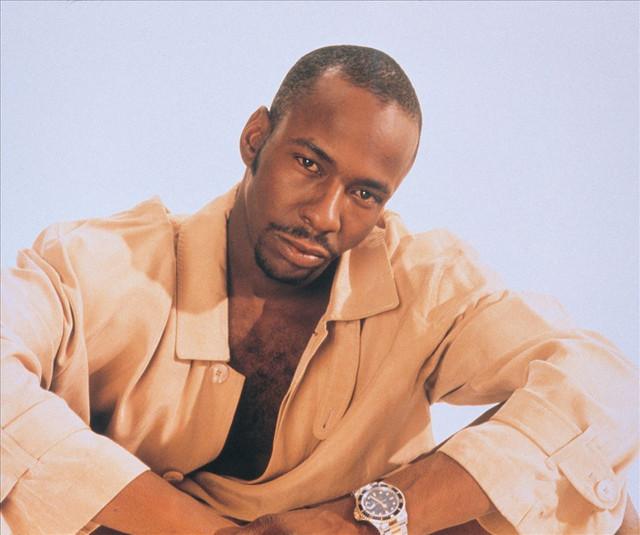
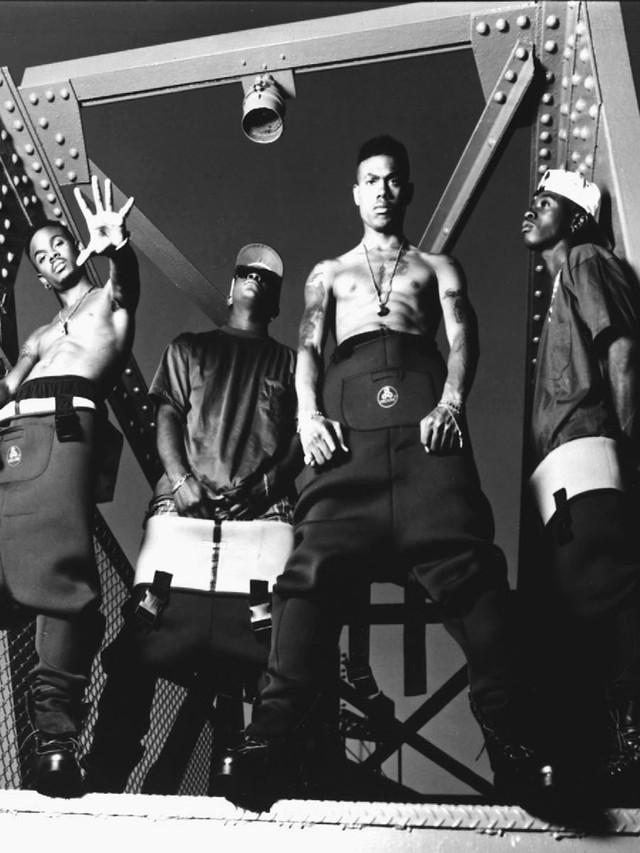
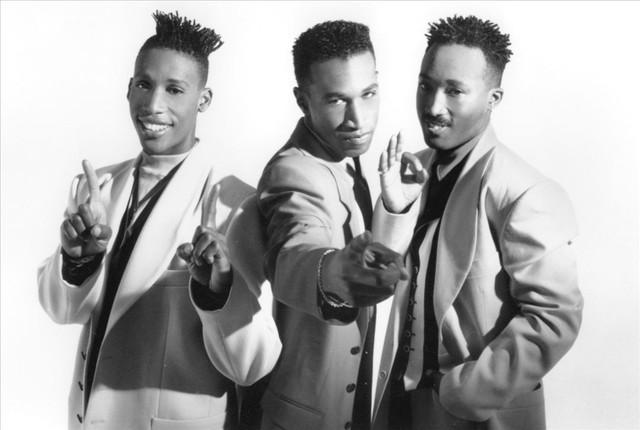
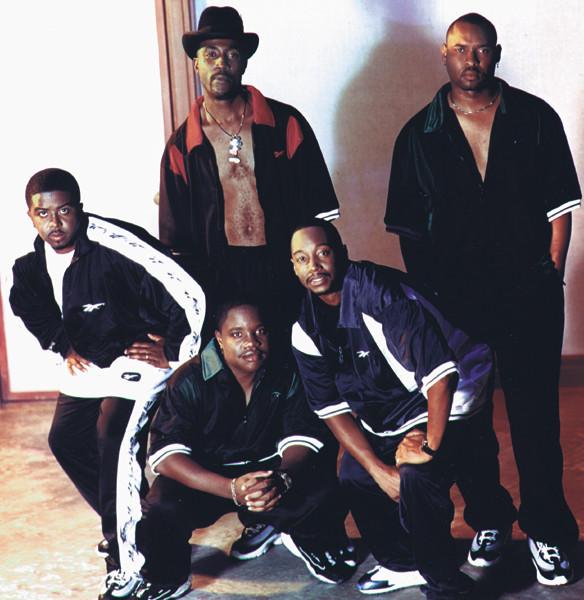
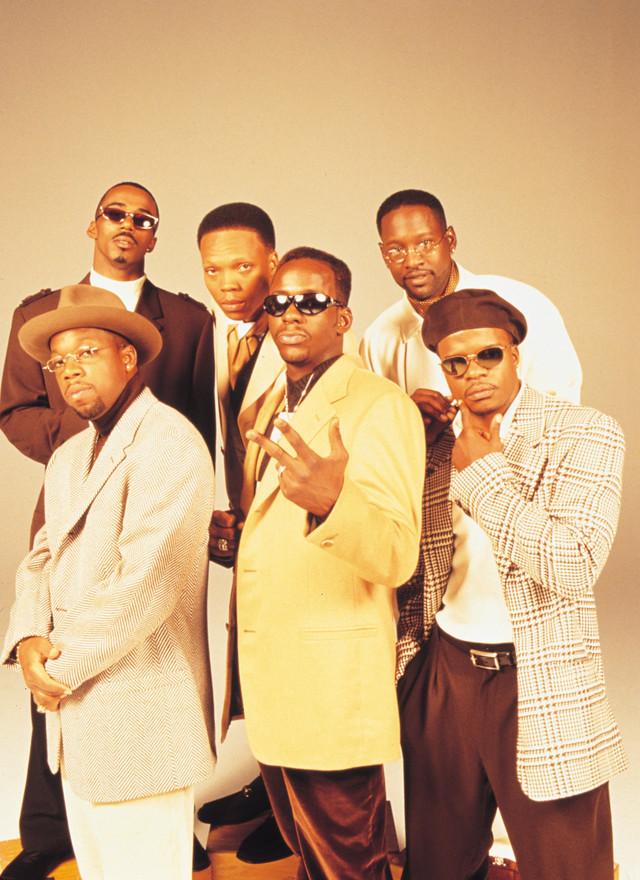
New Edition’s Spotify BioNew Edition's early, Jackson 5-inspired material made them the forerunners of two generations of teen pop. As they matured and progressed, they laid much of the groundwork for the fusion of hip-hop and R&B known as new jack swing. In fact, after New Edition drifted apart, all of its members had at least some significant success outside the group as part of the new jack movement, which helped ensure that their original incarnation would be remembered for much more than the bubblegum soul that made their name.
New Edition was formed in the Roxbury section of Boston, Massachusetts by Ricky Bell, Michael Bivins, and Bobby Brown, who began singing together in 1978 while still in elementary school, hoping to perform for pocket cash. They eventually recruited friend Ralph Tresvant as a fourth member, and after winning a talent show in 1980, also added Ronnie DeVoe. More talent show victories followed, including a prestigious gig at the local Strand Theater, where they performed the Jackson 5's… "The Love You Save." They were discovered by writer/producer/impresario Maurice Starr, who signed the group to his small Streetwise label in hopes of launching a Jackson 5 phenomenon for the '80s. "Candy Girl," a song Starr co-wrote for the group, was released as their first single in 1983, when the members ranged in age from 13 to 15. Despite a lack of major-label interest in the group, "Candy Girl" was a smash, topping the R&B charts. Their debut album, also titled Candy Girl, spawned two more R&B hits in "Popcorn Love" and "Is This the End?," and MCA offered the group a deal. Starr, however, wanted the quintet to remain with Streetwise; New Edition summarily fired him as their manager and signed with MCA. Starr attempted to sue the group for their name, unsuccessfully claiming that "New Edition" actually referred to a whole new style of pop music he'd created. Starr would go on to strike it rich with a similar concept, assembling a quintet of teenagers he dubbed New Kids on the Block.
New Edition, meanwhile, released their eponymous MCA debut in 1984 and scored their biggest pop hit with the Top Five smash "Cool It Now," which ended with a short rap section. The Ray Parker, Jr.-penned "Mr. Telephone Man" soon became their third R&B chart-topper, and the group had reached full-fledged teen idol status. Yet they were growing up fast, as demonstrated on their next album, 1985's All for Love. Not only were their voices changing, but their material was becoming more adult, with harder-edged funk and more mature romantic ballads. Later that year, they also released a holiday album, Christmas All Over the World, and struck an endorsement deal with Coke. However, rumors of Brown's growing dissatisfaction proved true, and he left for a solo career in 1986. Temporarily down to a quartet, the rest of the group recorded the covers album Under the Blue Moon, a set of vintage doo wop and R&B numbers from the '50s and '60s; it produced a hit revival of the Penguins' "Earth Angel."
Brown's replacement came in the form of Johnny Gill, a deep-voiced friend of the group who'd been recording as a solo artist without much luck. Gill made his debut on the 1989 album Heart Break, which found New Edition working with star producers Jimmy Jam and Terry Lewis. The move paid immediate dividends, as they scored several R&B hits from the album, including the number one "Can You Stand the Rain." Meanwhile, Brown had become a superstar with his second album, the new jack swing landmark Don't Be Cruel. Feeling vindicated by Heart Break, New Edition split up to work on other projects. Gill returned to his solo career, with considerably more success this time around, and Tresvant also went solo. The remainder of the group teamed as Bell Biv DeVoe and wound up having greater success than anyone save Brown; their debut album, Poison, was another new jack style-setter and Bivins' interest in developing new talent gave Boyz II Men their big break.
By the mid-'90s, new jack swing was giving way to new fusions of hip-hop and soul that were alternately more organic or aggressive. Although their status as innovators was secure, many of the New Edition splinter acts had a hard time keeping up and maintaining their career momentum. Thus, given their individually positive reputations, it made sense for the group to announce its triumphant reunion, with all six members participating in what was essentially an R&B supergroup. The public loved the idea; when the comeback album Home Again was finally released in 1996, it debuted at number one, and the first single, "Hit Me Off," was a smash, hitting number one on the R&B charts. The follow-up, "I'm Still in Love With You," was another big hit, and the group embarked on a blockbuster tour that, while popular, found relationships between some of the members fraying. After the tour, New Edition returned to their various prior projects, with the prospect of any future reunions looking dim. Those prospects increased significantly when it was learned that P. Diddy had signed the group to his Bad Boy label for the release of another comeback, 2004's One Love. ~ Steve Huey, Rovi
Viberate is a music analytics platform built for A&Rs, artist managers, labels, booking agents, marketers, and artists.
It helps music professionals track artist growth, analyze audience data, monitor playlist activity, compare artists, follow song performance, and identify opportunities across the music market.
Public artist pages provide a free preview of selected artist data. Paid plans provide access to deeper analytics, historical data, charts, comparisons, playlist tools, exports, alerts, reports, and additional professional features.
Yes. Public Viberate artist pages provide selected artist analytics and music data for free.
Viberate also offers a 7-day free trial of the full platform. A credit card is required to start the trial. The trial includes access to the complete product so users can test deeper artist analytics, historical views, playlist insights, comparisons, charts, exports, alerts, and reporting features before choosing a paid plan.
Viberate provides artist analytics across streaming, playlists, social media, video, radio airplay, songs, and audience markets.
Users can analyze Spotify performance, Spotify and Apple Music playlists, YouTube activity, TikTok and Instagram growth, radio spins, song performance, audience locations, demographics, rankings, and overall artist momentum.
Artist profiles also connect to music charts, similar artists, and comparison tools, helping users benchmark performance and evaluate artists in context.
Viberate updates key artist and track data daily.
For followed artists and tracks, selected data is refreshed multiple times per day. This helps teams monitor playlist changes, streaming movement, audience growth, releases, and campaign performance with more current data.
Update frequency can vary depending on the metric and data source.
Yes. Viberate lets users compare up to five artists side by side across streaming, social media, audience, and engagement metrics.
Users can compare fanbase growth, audience demographics, locations, Spotify performance, social metrics, and other artist data over selected time periods.
Artist comparison can be used for A&R scouting, benchmarking, booking decisions, campaign planning, and evaluating artists with similar audiences or market positions.