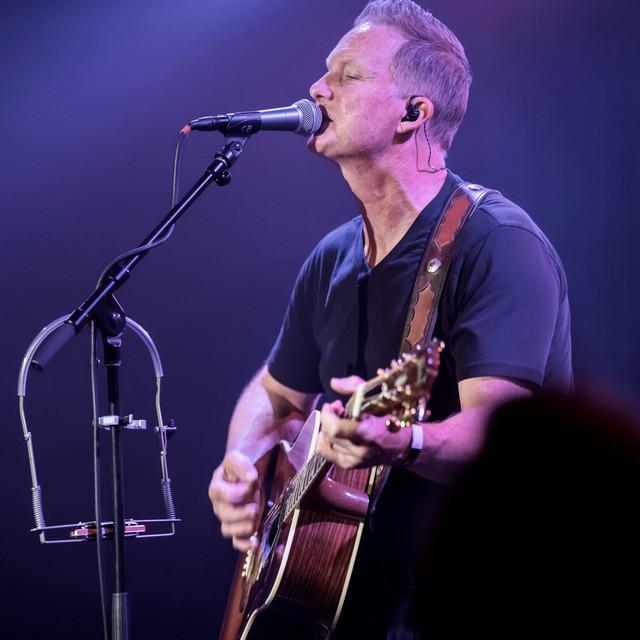
Kasey Anderson

Country
Americana/Alt Country
 Viberate Rank: 364061
 Viberate Rank: 364061
 Monthly ListenersFollowers
 Subscribers
 Followers
 Followers
 FansTop Spotify Songs
| Track | 7-Day Streams | |
|---|---|---|
1 | 1.23K | |
2 | 219 | |
3 | 114 | |
4 | 113 | |
5 | 54 |
Top YouTube VideosMonthly ListenersFeatured in Playlists| Playlist | Followers | |
|---|---|---|
1 |  I just wanna folk Groover Obsessions | 51.69K |
2 |  The Sky Is Crying 🌧 Don's Tunes | 14.87K |
3 |  Easy Listening Mood Mood Sculptor Playlists | 12.02K |
4 |  Relaxing Indie Mellow Mood Playlists | 10.25K |
5 |  chill indie café May's Music | 9.15K |
Audience| City | Monthly Listeners | |
|---|---|---|
1 |  | 72 |
2 | | 68 |
3 | | 65 |
4 | | 61 |
5 |  | 60 |
See full performance history, audience data, playlist activity, rankings, comparisons, and more in Viberate music analytics. Start with a free trial, then continue with a paid plan.
Kasey Anderson’s Spotify BioKasey Anderson broke through into national attention in 2007 with "Don't Look Back" from his sophomore album, The Reckoning, produced by Eric Ambel. Two years later, Nowhere Nights (also produced by Ambel), brought attention from No Depression, Paste, The Village Voice, the Onion AV Club and Counting Crows, who covered Anderson’s song Like Teenage Gravity on their 2012 album Underwater Sunshine (Or What We Did on Our Summer Vacation).
Substance use and legal issues drew Anderson away from the music business for a number of years but he returned in 2018 under the moniker Hawks and Doves, releasing From a White Hotel, which drew praise from Rolling Stone, WXPN, No Depression, Bob Lefsetz and others. It was not until 2020, when a viral political short film used his song The Dangerous Ones, that Kasey Anderson began to once again be mentioned alongside the best songwriters of his generation.
Anderson's newest release, Let the Bloody Moon Rise — produced by Kurt Bloch and featuring an… all-star backing band led by Andrew McKeag and Mike Musburger, with cameos from Mike McCready, Jeff Fielder, David Immergluck and Tim Rogers, among others — is, in the words of Hanif Abdurraqib, "a reclamation of the gifts [Anderson] has to offer"; a reminder that "the parts of us that have not been our best were also capable of some magic, and that magic deserves a life, if we can swing it."
Viberate is a music analytics platform built for A&Rs, artist managers, labels, booking agents, marketers, and artists.
It helps music professionals track artist growth, analyze audience data, monitor playlist activity, compare artists, follow song performance, and identify opportunities across the music market.
Public artist pages provide a free preview of selected artist data. Paid plans provide access to deeper analytics, historical data, charts, comparisons, playlist tools, exports, alerts, reports, and additional professional features.
Yes. Public Viberate artist pages provide selected artist analytics and music data for free.
Viberate also offers a 7-day free trial of the full platform. A credit card is required to start the trial. The trial includes access to the complete product so users can test deeper artist analytics, historical views, playlist insights, comparisons, charts, exports, alerts, and reporting features before choosing a paid plan.
Viberate provides artist analytics across streaming, playlists, social media, video, radio airplay, songs, and audience markets.
Users can analyze Spotify performance, Spotify and Apple Music playlists, YouTube activity, TikTok and Instagram growth, radio spins, song performance, audience locations, demographics, rankings, and overall artist momentum.
Artist profiles also connect to music charts, similar artists, and comparison tools, helping users benchmark performance and evaluate artists in context.
Viberate updates key artist and track data daily.
For followed artists and tracks, selected data is refreshed multiple times per day. This helps teams monitor playlist changes, streaming movement, audience growth, releases, and campaign performance with more current data.
Update frequency can vary depending on the metric and data source.
Yes. Viberate lets users compare up to five artists side by side across streaming, social media, audience, and engagement metrics.
Users can compare fanbase growth, audience demographics, locations, Spotify performance, social metrics, and other artist data over selected time periods.
Artist comparison can be used for A&R scouting, benchmarking, booking decisions, campaign planning, and evaluating artists with similar audiences or market positions.