Dead Poetic

Punk
Hardcore Punk
Post Hardcore
Pop Punk
 Viberate Rank: 117741
 Viberate Rank: 117741
 Monthly ListenersFollowers
 Subscribers
 Followers
 Followers
 FansTop Spotify Songs
| Track | 7-Day Streams | |
|---|---|---|
1 | 17.17K | |
2 | 5.55K | |
3 | 4.42K | |
4 | 4.38K | |
5 | 2.14K |
Top YouTube VideosMonthly ListenersFeatured in Playlists| Playlist | Followers | |
|---|---|---|
1 |  Emo Forever Spotify | 1.94M |
2 |  Chaos Anthems Spotify | 541.41K |
3 | igor | 97.08K |
4 |  This Is Chino Moreno Spotify | 85.86K |
5 | sad metal songs. Sebastian Finta | 78.46K |
Audience| City | Monthly Listeners | |
|---|---|---|
1 | | 1.11K |
2 | | 1.11K |
3 | | 1.07K |
4 | | 943 |
5 | | 938 |
See full performance history, audience data, playlist activity, rankings, comparisons, and more in Viberate music analytics. Start with a free trial, then continue with a paid plan.
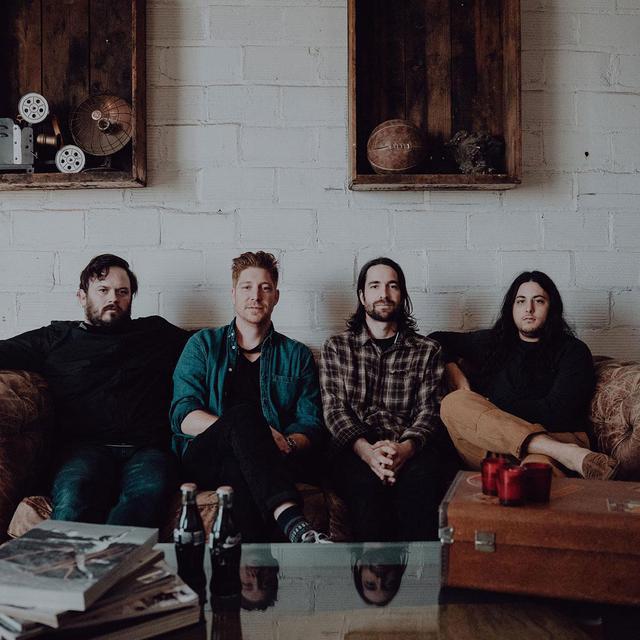
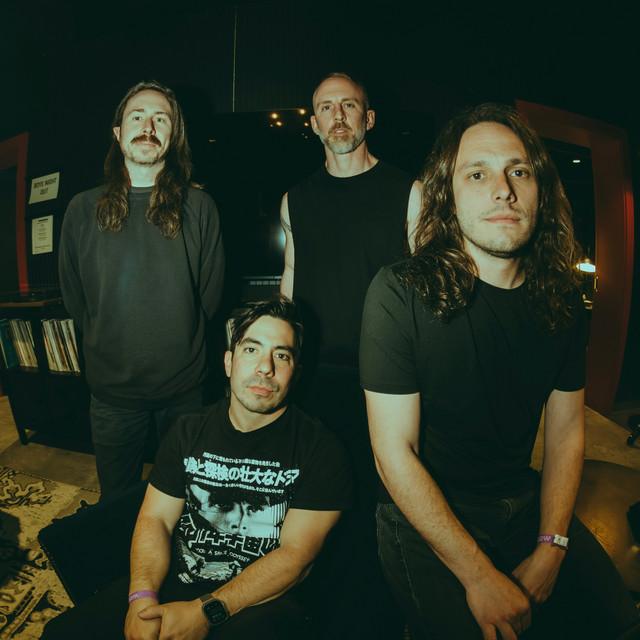
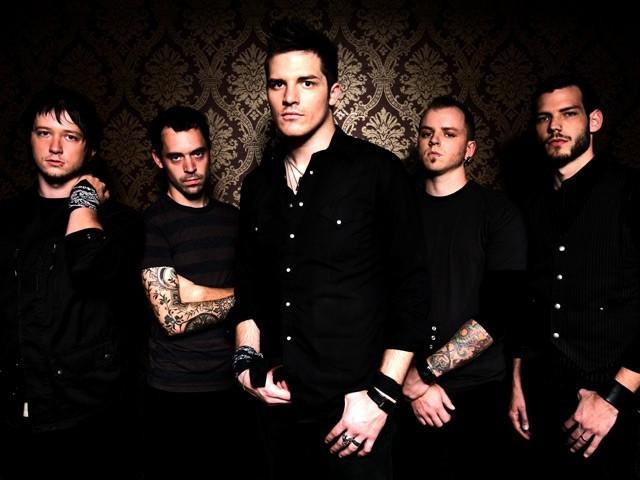
Dead Poetic’s Spotify BioThe Ohio four-piece Dead Poetic defines their own punk style fitted for the new millennium. Brandon Rike (vocals), Zach Miles (guitar), Josh Shellabarger (drums), and Chad Shellabarger (bass) formed Dead Poetic in 1997 and found themselves following the word of God inside their own hard rock presentation. Tooth & Nail took a liking to them in fall 2000 after the band played and pushed their name at the Cornerstone 2000 Festival. A year later, Dead Poetic struck a deal and landed studio time with Barry Poynter (the Juliana Theory, Furthermore) at Poynter Studio in Little Rock, AK. The fruit of those sessions resulted in Dead Poetic's debut album, Four Wall Blackmail, in spring 2002. New Medicines appeared in 2004, after which the group basically self-destructed. But Dead Poetic would soon be reborn with only Rike and Miles carrying over. Rounding them out were drummer Jesse Sprinkle (formerly of Demon Hunter, Poor Old Lu) and Beloved alums, guitarist Dusty Redmon and bassist John Brehm.… Working with the production team of Chino Moreno (the Deftones) and Aaron Sprinkle (Jesse's brother), the alternative rock-inspired Vices surfaced on Halloween 2006. ~ MacKenzie Wilson, Rovi
Viberate is a music analytics platform built for A&Rs, artist managers, labels, booking agents, marketers, and artists.
It helps music professionals track artist growth, analyze audience data, monitor playlist activity, compare artists, follow song performance, and identify opportunities across the music market.
Public artist pages provide a free preview of selected artist data. Paid plans provide access to deeper analytics, historical data, charts, comparisons, playlist tools, exports, alerts, reports, and additional professional features.
Yes. Public Viberate artist pages provide selected artist analytics and music data for free.
Viberate also offers a 7-day free trial of the full platform. A credit card is required to start the trial. The trial includes access to the complete product so users can test deeper artist analytics, historical views, playlist insights, comparisons, charts, exports, alerts, and reporting features before choosing a paid plan.
Viberate provides artist analytics across streaming, playlists, social media, video, radio airplay, songs, and audience markets.
Users can analyze Spotify performance, Spotify and Apple Music playlists, YouTube activity, TikTok and Instagram growth, radio spins, song performance, audience locations, demographics, rankings, and overall artist momentum.
Artist profiles also connect to music charts, similar artists, and comparison tools, helping users benchmark performance and evaluate artists in context.
Viberate updates key artist and track data daily.
For followed artists and tracks, selected data is refreshed multiple times per day. This helps teams monitor playlist changes, streaming movement, audience growth, releases, and campaign performance with more current data.
Update frequency can vary depending on the metric and data source.
Yes. Viberate lets users compare up to five artists side by side across streaming, social media, audience, and engagement metrics.
Users can compare fanbase growth, audience demographics, locations, Spotify performance, social metrics, and other artist data over selected time periods.
Artist comparison can be used for A&R scouting, benchmarking, booking decisions, campaign planning, and evaluating artists with similar audiences or market positions.