As Cities Burn

Rock
Alternative Rock
Post Hardcore
 Viberate Rank: 91193
 Viberate Rank: 91193
 Monthly ListenersFollowers
 Subscribers
 Followers
 Followers
 FansTop Spotify Songs
| Track | 7-Day Streams | |
|---|---|---|
1 | 3.85K | |
2 | 3.69K | |
3 | 3.43K | |
4 | 3.35K | |
5 | 3.14K |
Top YouTube VideosMonthly ListenersFeatured in Playlists| Playlist | Followers | |
|---|---|---|
1 | 2000's Emo & Pop Punk Jorden Z | 53.71K |
2 | Screamo/Post-Hardcore/Metalcore/Emocore Billy Storm | 31.91K |
3 | ✞ High Energy Christian! Luke 17:5-10 | 20.38K |
4 | Christian Rock (Alternative) dragondeath | 10.47K |
5 | 10/10 Jürgen Huber | 10.46K |
Audience| City | Monthly Listeners | |
|---|---|---|
1 | | 828 |
2 | | 817 |
3 | | 724 |
4 | | 699 |
5 | | 530 |
See full performance history, audience data, playlist activity, rankings, comparisons, and more in Viberate music analytics. Start with a free trial, then continue with a paid plan.
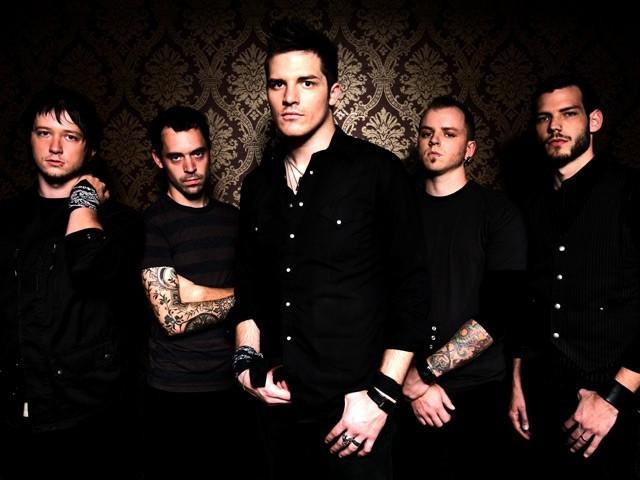
As Cities Burn’s Spotify BioFrom their inception in 2002, As Cities Burn made waves far beyond their hometown of Mandeville, Louisiana. The heavy screams of TJ Bonnette paired with the clean vocals of brother Cody Bonnette, showcased on 2005 debut album Son, I Loved You At Your Darkest, earned the band widespread acclaim. Even as the band shifted through lineup changes, eventually losing the screams when TJ left, As Cities Burn continued to garner support through two more albums—until the band decidedly went their separate ways in 2009. Although they came together for several shows since their split, a future return was never certain.
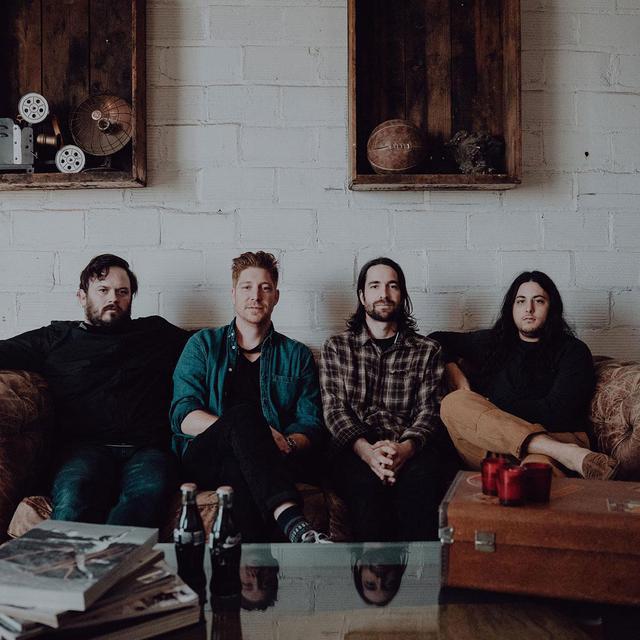
Now, As Cities Burn return not only with new music, but also some familiar faces: After over a decade since he first left the band, TJ has returned as a permanent member, once again taking his spot at the front of the stage next to his brother Cody with Hunter Wells (guitar), Stephen Keech (bass) and longtime member Aaron Lunsford (drums) completing the line-up. The seething new… single "2020 AD," featuring dark, churning vocals paired with chilling guitar riffs is sonic proof that the resurgence of As Cities Burn will be no-holds-barred. The return comes with the announcement of a fall tour with Silverstein and new label backing from Equal Vision Records.
Viberate is a music analytics platform built for A&Rs, artist managers, labels, booking agents, marketers, and artists.
It helps music professionals track artist growth, analyze audience data, monitor playlist activity, compare artists, follow song performance, and identify opportunities across the music market.
Public artist pages provide a free preview of selected artist data. Paid plans provide access to deeper analytics, historical data, charts, comparisons, playlist tools, exports, alerts, reports, and additional professional features.
Yes. Public Viberate artist pages provide selected artist analytics and music data for free.
Viberate also offers a 7-day free trial of the full platform. A credit card is required to start the trial. The trial includes access to the complete product so users can test deeper artist analytics, historical views, playlist insights, comparisons, charts, exports, alerts, and reporting features before choosing a paid plan.
Viberate provides artist analytics across streaming, playlists, social media, video, radio airplay, songs, and audience markets.
Users can analyze Spotify performance, Spotify and Apple Music playlists, YouTube activity, TikTok and Instagram growth, radio spins, song performance, audience locations, demographics, rankings, and overall artist momentum.
Artist profiles also connect to music charts, similar artists, and comparison tools, helping users benchmark performance and evaluate artists in context.
Viberate updates key artist and track data daily.
For followed artists and tracks, selected data is refreshed multiple times per day. This helps teams monitor playlist changes, streaming movement, audience growth, releases, and campaign performance with more current data.
Update frequency can vary depending on the metric and data source.
Yes. Viberate lets users compare up to five artists side by side across streaming, social media, audience, and engagement metrics.
Users can compare fanbase growth, audience demographics, locations, Spotify performance, social metrics, and other artist data over selected time periods.
Artist comparison can be used for A&R scouting, benchmarking, booking decisions, campaign planning, and evaluating artists with similar audiences or market positions.