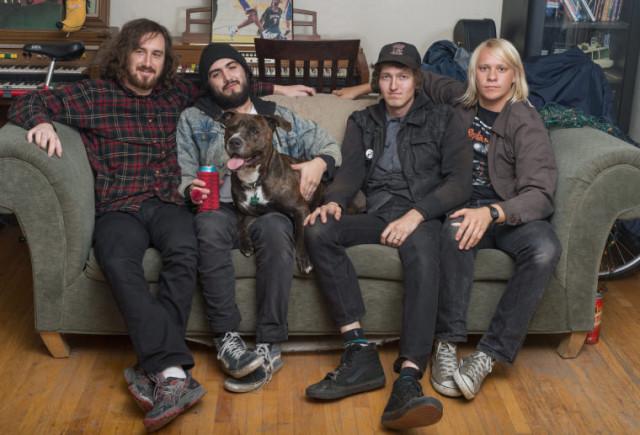
Dead Gaze

Rock
Alternative Rock
Garage Rock
 Viberate Rank: 473796
 Viberate Rank: 473796
 Monthly ListenersFollowers
 Subscribers
 Followers
 Followers
 FansTop Spotify Songs
| Track | 7-Day Streams | |
|---|---|---|
1 | 1.00K | |
2 | 84 | |
3 | 66 | |
4 | 20 | |
5 | 19 |
Top YouTube VideosMonthly ListenersFeatured in Playlists| Playlist | Followers | |
|---|---|---|
1 | The Ultimate Cover Song Playlist Anna OBrien | 19.48K |
2 |  underground indie rock but it’s actually underground Traintle | 15.29K |
3 | Beach Goth kylehauk | 7.46K |
4 |  lo-fi / garage rock / post-punk / punk / shoegaze / indie rock / noise rock Timo Tiivas | 6.89K |
5 |  GENREPHOBIC blustre | 6.81K |
Audience| City | Monthly Listeners | |
|---|---|---|
1 | | 50 |
2 | | 33 |
3 | | 32 |
4 | | 32 |
5 | | 31 |
See full performance history, audience data, playlist activity, rankings, comparisons, and more in Viberate music analytics. Start with a free trial, then continue with a paid plan.
Dead Gaze’s Spotify BioR. Cole Furlow fronts Dead Gaze, a skuzzy but very poppy lo-fi band out of Mississippi. In 2010, after Dead Gaze's first cassette release, End of Days, Why Not You on Mirror Universe, the group released a split with Gray Things on Clan Destine. The same year, they also released a two-song 7" single on Fire Talk Records, which found them moving from their early Flaming Lips sound in a chillwave direction with drum machines and synthesizers. Furlow kept cranking out releases, including 2010's Group Tightener EP and 2011's Le Station Radar single (which featured drumming from James Alexander Warren), and eventually took to the stage with a full band. In 2013, FatCat-affiliated label Palmist released a 12-track compilation of songs from earlier records, plus a few new songs, as Dead Gaze. When it came time to record his true debut album, Furlow left his bedroom and headed to Sweet Tea studio in Oxford, Mississippi. The fancy vintage equipment and large recording space gave him room to… expand the Dead Gaze sound. The resulting record, Brain Holiday, was released by FatCat in late 2013. Furlow then outfitted a new home studio in order to expand on the bigger sounds he'd captured on Brain Holiday, resulting in the follow-up album Easy Travels, released by Brooklyn indie Ernest Jenning Record Co. in the summer of 2016. ~ Jason Lymangrover, Rovi
Viberate is a music analytics platform built for A&Rs, artist managers, labels, booking agents, marketers, and artists.
It helps music professionals track artist growth, analyze audience data, monitor playlist activity, compare artists, follow song performance, and identify opportunities across the music market.
Public artist pages provide a free preview of selected artist data. Paid plans provide access to deeper analytics, historical data, charts, comparisons, playlist tools, exports, alerts, reports, and additional professional features.
Yes. Public Viberate artist pages provide selected artist analytics and music data for free.
Viberate also offers a 7-day free trial of the full platform. A credit card is required to start the trial. The trial includes access to the complete product so users can test deeper artist analytics, historical views, playlist insights, comparisons, charts, exports, alerts, and reporting features before choosing a paid plan.
Viberate provides artist analytics across streaming, playlists, social media, video, radio airplay, songs, and audience markets.
Users can analyze Spotify performance, Spotify and Apple Music playlists, YouTube activity, TikTok and Instagram growth, radio spins, song performance, audience locations, demographics, rankings, and overall artist momentum.
Artist profiles also connect to music charts, similar artists, and comparison tools, helping users benchmark performance and evaluate artists in context.
Viberate updates key artist and track data daily.
For followed artists and tracks, selected data is refreshed multiple times per day. This helps teams monitor playlist changes, streaming movement, audience growth, releases, and campaign performance with more current data.
Update frequency can vary depending on the metric and data source.
Yes. Viberate lets users compare up to five artists side by side across streaming, social media, audience, and engagement metrics.
Users can compare fanbase growth, audience demographics, locations, Spotify performance, social metrics, and other artist data over selected time periods.
Artist comparison can be used for A&R scouting, benchmarking, booking decisions, campaign planning, and evaluating artists with similar audiences or market positions.