Audacity

Rock
Garage Rock
Punk Rock
 Viberate Rank: 374591
 Viberate Rank: 374591
 Monthly ListenersFollowers
 Subscribers
 Followers
 Followers
 FansTop Spotify Songs
| Track | 7-Day Streams | |
|---|---|---|
1 | 339 | |
2 | 210 | |
3 | 78 | |
4 | 44 | |
5 | 38 |
Top YouTube VideosMonthly ListenersFeatured in Playlists| Playlist | Followers | |
|---|---|---|
1 |  Surf rock/psychadelic/jingly jangly Sam Gbr Vy | 8.46K |
2 | Garage Rock Joe | 7.09K |
3 |  lo-fi / garage rock / post-punk / punk / shoegaze / indie rock / noise rock Timo Tiivas | 6.89K |
4 |  Garage Punk / Lo-Fi Nick Seaney | 5.40K |
5 | Surf punk Lucas Bitencourt | 5.27K |
Audience| City | Monthly Listeners | |
|---|---|---|
1 | | 65 |
2 | | 37 |
3 | | 34 |
4 | | 29 |
5 | | 22 |
See full performance history, audience data, playlist activity, rankings, comparisons, and more in Viberate music analytics. Start with a free trial, then continue with a paid plan.
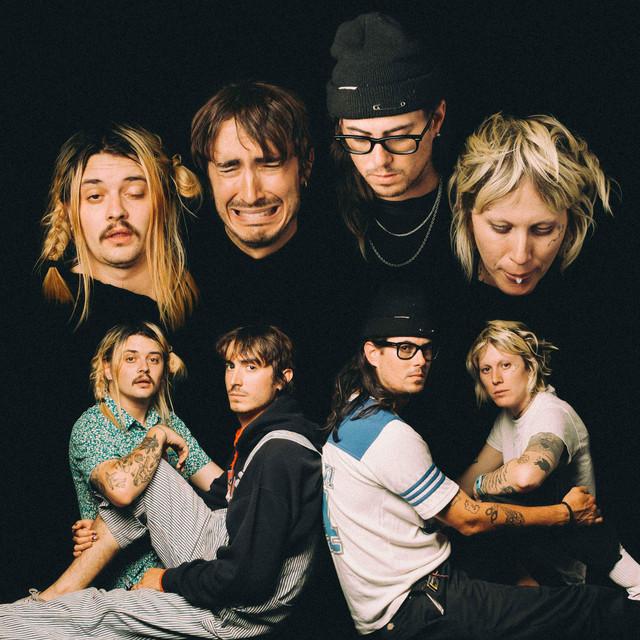
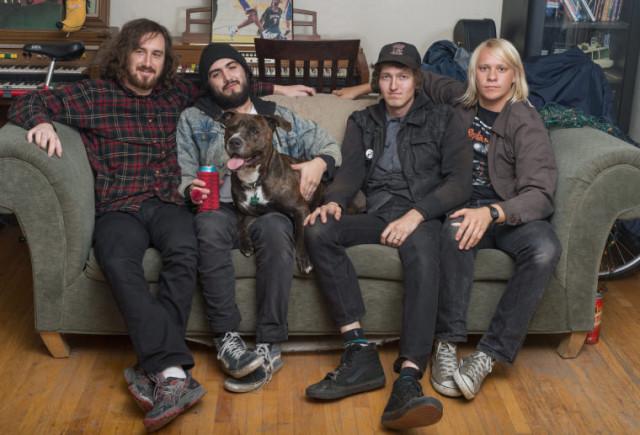
Audacity’s Spotify BioScrappy Californian garage punk group Audacity have a long history together. Matt Schmalfeld (vocals/guitar), Kyle Gibson (vocals/guitar), Cameron Crowe (bass), and Thomas Alvarez (drums) first formed in 2002 under the name Nontoxic when the four friends were still in grade school. By 2009, they had become Audacity and signed with hometown indie empire Burger Records and released their debut LP, Power Drowning. Their mix of punk, garage, and slacker pop was a perfect fit for the label, and between their debut and 2012 follow-up, Mellow Cruisers, they began to tour extensively and somehow found the time to issue a handful of EPs and singles. Seattle indie Suicide Squeeze issued their next full-length, 2013's Butter Knife, which was followed by a tour of Europe and Japan and a prolific run of singles via labels like Volar and Burger. Their next album, 2016's Hyper Vessels, was presided over by Ty Segall and Isaac Thotz at Segall's home studio in Eagle Rock, California. It was the last… album to feature Crowe on bass, as he left the band just as it was being released. ~ Timothy Monger, Rovi
Viberate is a music analytics platform built for A&Rs, artist managers, labels, booking agents, marketers, and artists.
It helps music professionals track artist growth, analyze audience data, monitor playlist activity, compare artists, follow song performance, and identify opportunities across the music market.
Public artist pages provide a free preview of selected artist data. Paid plans provide access to deeper analytics, historical data, charts, comparisons, playlist tools, exports, alerts, reports, and additional professional features.
Yes. Public Viberate artist pages provide selected artist analytics and music data for free.
Viberate also offers a 7-day free trial of the full platform. A credit card is required to start the trial. The trial includes access to the complete product so users can test deeper artist analytics, historical views, playlist insights, comparisons, charts, exports, alerts, and reporting features before choosing a paid plan.
Viberate provides artist analytics across streaming, playlists, social media, video, radio airplay, songs, and audience markets.
Users can analyze Spotify performance, Spotify and Apple Music playlists, YouTube activity, TikTok and Instagram growth, radio spins, song performance, audience locations, demographics, rankings, and overall artist momentum.
Artist profiles also connect to music charts, similar artists, and comparison tools, helping users benchmark performance and evaluate artists in context.
Viberate updates key artist and track data daily.
For followed artists and tracks, selected data is refreshed multiple times per day. This helps teams monitor playlist changes, streaming movement, audience growth, releases, and campaign performance with more current data.
Update frequency can vary depending on the metric and data source.
Yes. Viberate lets users compare up to five artists side by side across streaming, social media, audience, and engagement metrics.
Users can compare fanbase growth, audience demographics, locations, Spotify performance, social metrics, and other artist data over selected time periods.
Artist comparison can be used for A&R scouting, benchmarking, booking decisions, campaign planning, and evaluating artists with similar audiences or market positions.