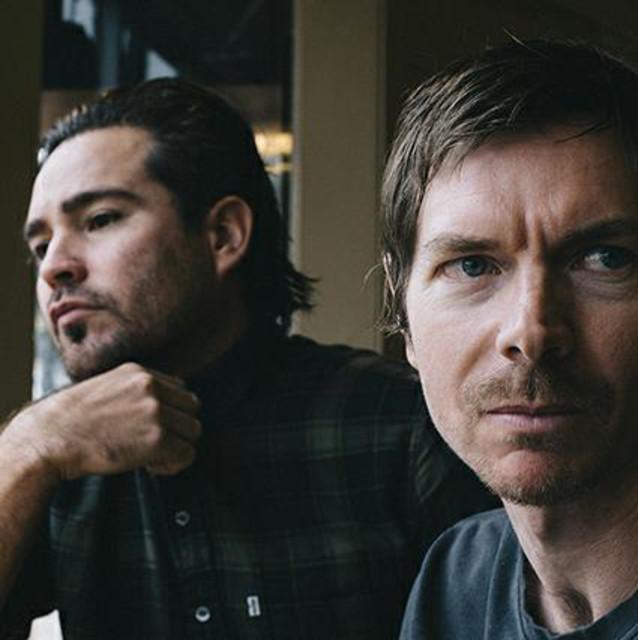
Dead Confederate

Rock
Alternative Rock
Indie Rock
 Viberate Rank: 244224
 Viberate Rank: 244224
 Monthly ListenersFollowers
 Subscribers
 Followers
 Followers
 FansTop Spotify Songs
| Track | 7-Day Streams | |
|---|---|---|
1 | 3.13K | |
2 | 342 | |
3 | 316 | |
4 | 303 | |
5 | 263 |
Top YouTube VideosMonthly ListenersFeatured in Playlists| Playlist | Followers | |
|---|---|---|
1 | ssupper-naturall FiFiZappa | 28.63K |
2 | Dean Winchester Bernt Grønning | 21.31K |
3 |  Complete Soundtrack Supernatural! Daniel van Egmond | 8.13K |
4 | AskReddit Hardly Heard Murr | 6.18K |
5 | Unknown 10/10 reddit fjfjfjfjfjfjfjfjfjfjfjfjfj | 5.95K |
Audience| City | Monthly Listeners | |
|---|---|---|
1 | | 125 |
2 | | 115 |
3 | | 108 |
4 | | 89 |
5 | | 89 |
See full performance history, audience data, playlist activity, rankings, comparisons, and more in Viberate music analytics. Start with a free trial, then continue with a paid plan.
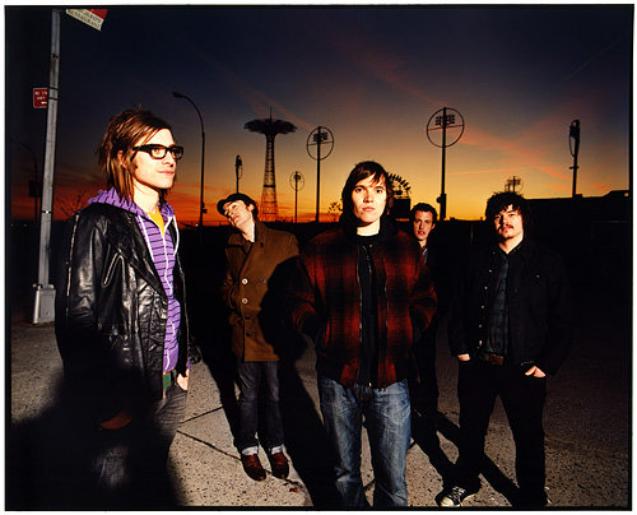
Dead Confederate’s Spotify BioDead Confederate take a post-grunge approach to their music, which also leans heavily on the group's psychedelic and Southern rock influences. Seeds for the band's formation were planted during the late '90s, when future bandmates Hardy Morris (vocals, guitar), Brantley Senn (bass), Walker Howle (guitar), John Watkins (keyboards), and Jason Scarboro (drums) bonded over a shared affinity for Pink Floyd and Black Sabbath. Although hailing from Augusta, GA, the quintet relocated to Atlanta following college graduation. A second move quickly followed, this time to Athens, where the group doubled its touring efforts and caught the attention of former Capitol Records president Gary Gersh. Impressed with the band's haunting sound, Gersh signed Dead Confederate to his new label, The Artists Organization, and issued their debut EP in early 2008. A full-length album, Wrecking Ball, followed in September, and the group returned two years later to release its second record, Sugar. An EP, Peyote… People appeared in 2012, followed by a third full-length, In the Marrow, early in 2013. ~ Andrew Leahey, Rovi
Viberate is a music analytics platform built for A&Rs, artist managers, labels, booking agents, marketers, and artists.
It helps music professionals track artist growth, analyze audience data, monitor playlist activity, compare artists, follow song performance, and identify opportunities across the music market.
Public artist pages provide a free preview of selected artist data. Paid plans provide access to deeper analytics, historical data, charts, comparisons, playlist tools, exports, alerts, reports, and additional professional features.
Yes. Public Viberate artist pages provide selected artist analytics and music data for free.
Viberate also offers a 7-day free trial of the full platform. A credit card is required to start the trial. The trial includes access to the complete product so users can test deeper artist analytics, historical views, playlist insights, comparisons, charts, exports, alerts, and reporting features before choosing a paid plan.
Viberate provides artist analytics across streaming, playlists, social media, video, radio airplay, songs, and audience markets.
Users can analyze Spotify performance, Spotify and Apple Music playlists, YouTube activity, TikTok and Instagram growth, radio spins, song performance, audience locations, demographics, rankings, and overall artist momentum.
Artist profiles also connect to music charts, similar artists, and comparison tools, helping users benchmark performance and evaluate artists in context.
Viberate updates key artist and track data daily.
For followed artists and tracks, selected data is refreshed multiple times per day. This helps teams monitor playlist changes, streaming movement, audience growth, releases, and campaign performance with more current data.
Update frequency can vary depending on the metric and data source.
Yes. Viberate lets users compare up to five artists side by side across streaming, social media, audience, and engagement metrics.
Users can compare fanbase growth, audience demographics, locations, Spotify performance, social metrics, and other artist data over selected time periods.
Artist comparison can be used for A&R scouting, benchmarking, booking decisions, campaign planning, and evaluating artists with similar audiences or market positions.