David Sancious

Jazz
Smooth Jazz
Jazz Fusion
 Viberate Rank: 409253
 Viberate Rank: 409253
 Monthly ListenersFollowers
 Subscribers
 Followers
 Followers
 FansTop Spotify Songs
| Track | 7-Day Streams | |
|---|---|---|
1 | 84 | |
2 | 49 | |
3 | 42 | |
4 | 41 | |
5 | 36 |
Top YouTube VideosMonthly ListenersFeatured in Playlists| Playlist | Followers | |
|---|---|---|
1 |  JAZZ FUSION FUNK AND SOUL Jazz Fusion Funk&Soul | 11.91K |
2 | Burning Jazz-rock Fusion fusionprogguy | 8.92K |
3 |  Jazz-Rock Fusion Morgan Roussel | 7.54K |
4 |  Gilles Peterson Worldwide • updated 11/2026 Stéphane Rolland | 7.47K |
5 | Jazz Fusion, Progressive Rock, & Jam Bands Curator Seedpicker | 7.16K |
Audience| City | Monthly Listeners | |
|---|---|---|
1 | | 26 |
2 |  | 25 |
3 | | 16 |
4 | | 15 |
5 | | 13 |
See full performance history, audience data, playlist activity, rankings, comparisons, and more in Viberate music analytics. Start with a free trial, then continue with a paid plan.
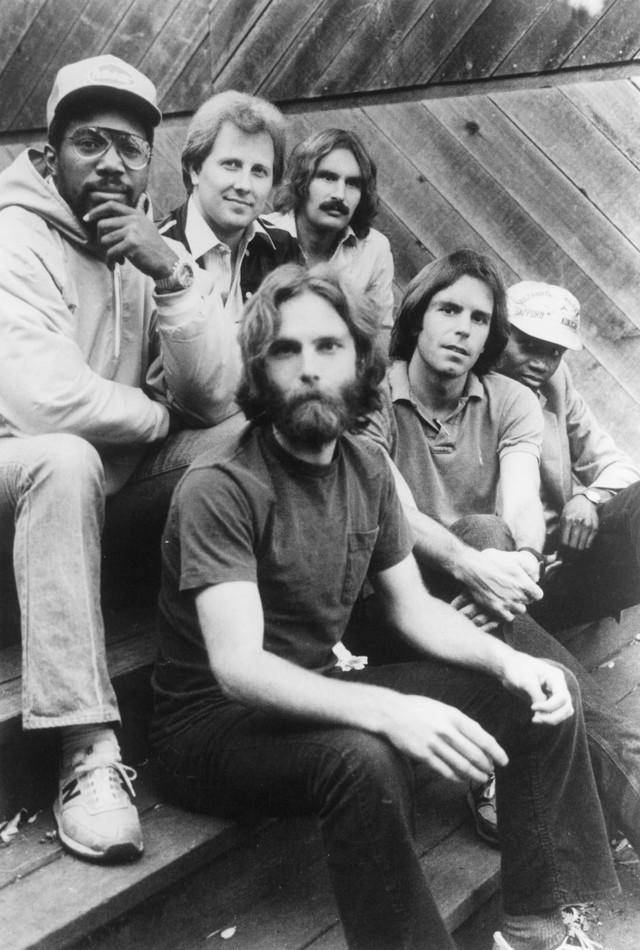
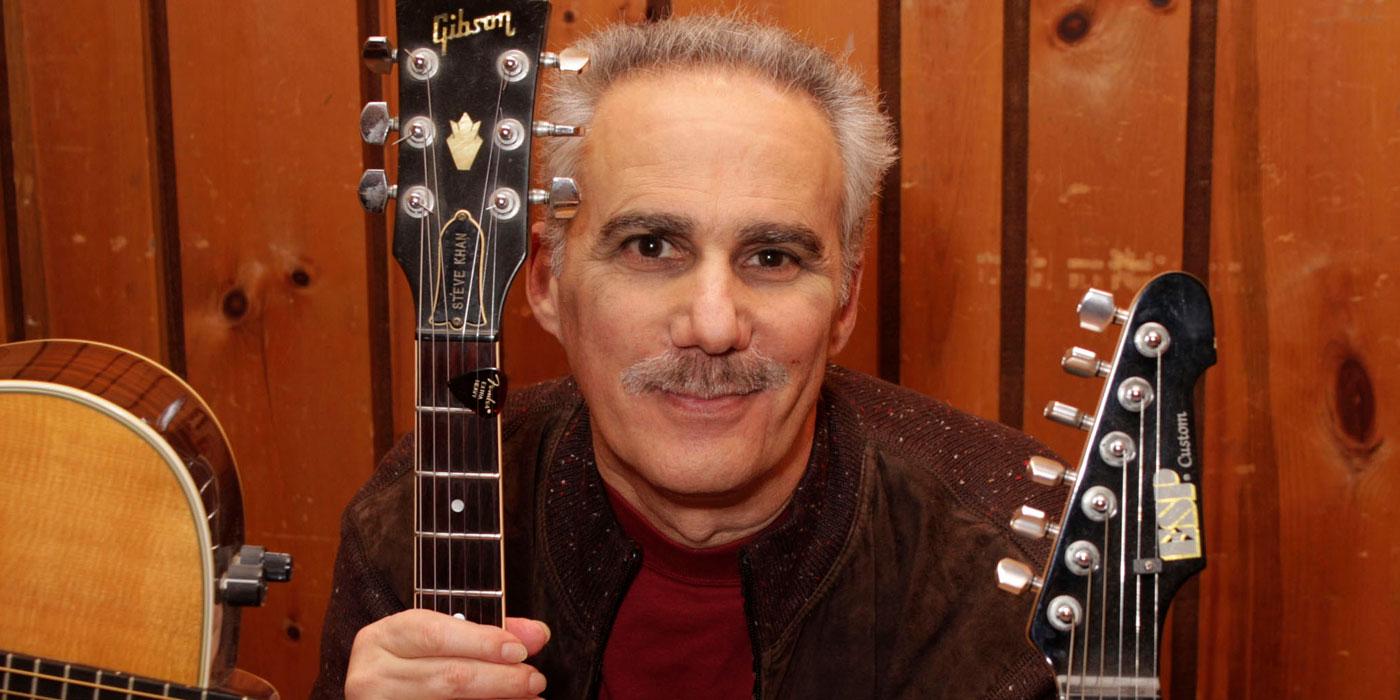
David Sancious’ Spotify BioDavid Sancious is a very difficult musician to categorize. The highly versatile keyboardist/guitarist/composer genuinely appreciates everything from classical to rock, jazz, blues, and funk, and while that may intimidate some marketing people -- who like musicians to fit neatly into one category -- it has earned Sancious the respect of everyone from Sting to Bryan Ferry. Born in Long Branch, NJ, on November 30, 1953, Sancious was only in his late teens when, in the early '70s, he was hired as the keyboardist for Bruce Springsteen's E Street Band. After appearing on Springsteen's first three albums (Greetings from Asbury Park, NJ, The Wild, the Innocent and the E Street Shuffle, and Born to Run), Sancious left the E Street Band in 1975 and signed with Epic as a solo artist. A radical departure from the type of earthy, Bob Dylan-influenced roots rock he had played with the Boss, Sancious' own albums found him exploring progressive rock and instrumental jazz fusion. Sancious' first solo… album, Forest of Feelings, came in 1975, followed by Transformation and Tone in 1976. The following year, he left Epic for Arista, recording Dance of the Age of Enlightenment in 1977, True Stories in 1978, and Just As I Thought in 1979. After 1982's The Bridge on Elektra Musician, he waited 18 years before recording as a leader again. Not until 2000's unaccompanied Nine Piano Improvisations -- which Sancious released on his own Not By Sight label and sold over the Internet -- did he provide another album. But he was hardly idle in the 1980s or 1990s; between The Bridge and Nine Piano Improvisations, Sancious kept busy backing everyone from Sting, Peter Gabriel, and Bryan Ferry to African pop artist Youssou N'Dour. Most of Sancious' 1970s recordings are out of print, although One Way was scheduled to reissue True Stories and Just As I Thought on CD in early 2001. ~ Alex Henderson, Rovi
Viberate is a music analytics platform built for A&Rs, artist managers, labels, booking agents, marketers, and artists.
It helps music professionals track artist growth, analyze audience data, monitor playlist activity, compare artists, follow song performance, and identify opportunities across the music market.
Public artist pages provide a free preview of selected artist data. Paid plans provide access to deeper analytics, historical data, charts, comparisons, playlist tools, exports, alerts, reports, and additional professional features.
Yes. Public Viberate artist pages provide selected artist analytics and music data for free.
Viberate also offers a 7-day free trial of the full platform. A credit card is required to start the trial. The trial includes access to the complete product so users can test deeper artist analytics, historical views, playlist insights, comparisons, charts, exports, alerts, and reporting features before choosing a paid plan.
Viberate provides artist analytics across streaming, playlists, social media, video, radio airplay, songs, and audience markets.
Users can analyze Spotify performance, Spotify and Apple Music playlists, YouTube activity, TikTok and Instagram growth, radio spins, song performance, audience locations, demographics, rankings, and overall artist momentum.
Artist profiles also connect to music charts, similar artists, and comparison tools, helping users benchmark performance and evaluate artists in context.
Viberate updates key artist and track data daily.
For followed artists and tracks, selected data is refreshed multiple times per day. This helps teams monitor playlist changes, streaming movement, audience growth, releases, and campaign performance with more current data.
Update frequency can vary depending on the metric and data source.
Yes. Viberate lets users compare up to five artists side by side across streaming, social media, audience, and engagement metrics.
Users can compare fanbase growth, audience demographics, locations, Spotify performance, social metrics, and other artist data over selected time periods.
Artist comparison can be used for A&R scouting, benchmarking, booking decisions, campaign planning, and evaluating artists with similar audiences or market positions.