Steve Khan

Jazz
Smooth Jazz
Jazz Fusion
 Viberate Rank: 252436
 Viberate Rank: 252436
 Monthly ListenersFollowers
 Subscribers
 Followers
 Followers
 FansTop Spotify Songs
| Track | 7-Day Streams | |
|---|---|---|
1 | 514 | |
2 | 426 | |
3 | 169 | |
4 | 155 | |
5 | 127 |
Top YouTube VideosMonthly ListenersFeatured in Playlists| Playlist | Followers | |
|---|---|---|
1 |  Real Book - Jazz standards/classics Anders Garbom Bjørklund | 13.79K |
2 | Christmas Jazz Raul Baltazar | 12.86K |
3 |  Here & Now DJ Sessions from NPR and WBUR (updated weekly) Here & Now | 10.97K |
4 | Burning Jazz-rock Fusion fusionprogguy | 8.92K |
5 |  Jazz-Rock Fusion Morgan Roussel | 7.54K |
Audience| City | Monthly Listeners | |
|---|---|---|
1 |  | 71 |
2 |  | 71 |
3 | | 55 |
4 | | 46 |
5 | | 39 |
See full performance history, audience data, playlist activity, rankings, comparisons, and more in Viberate music analytics. Start with a free trial, then continue with a paid plan.
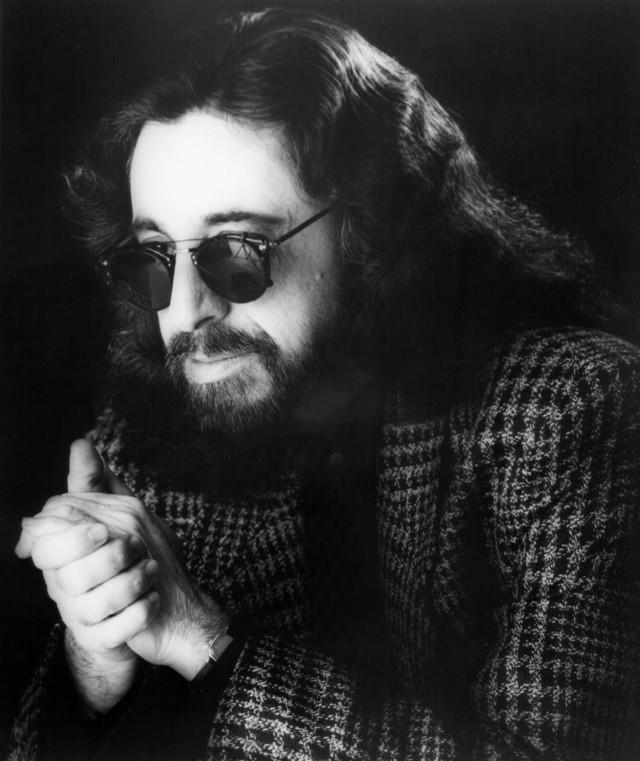
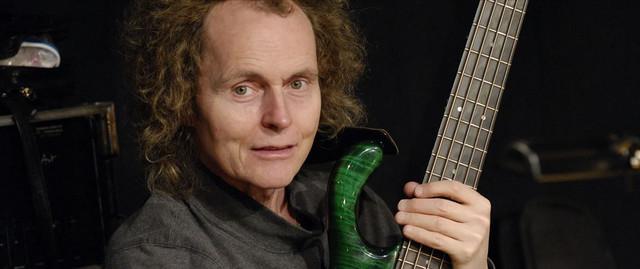
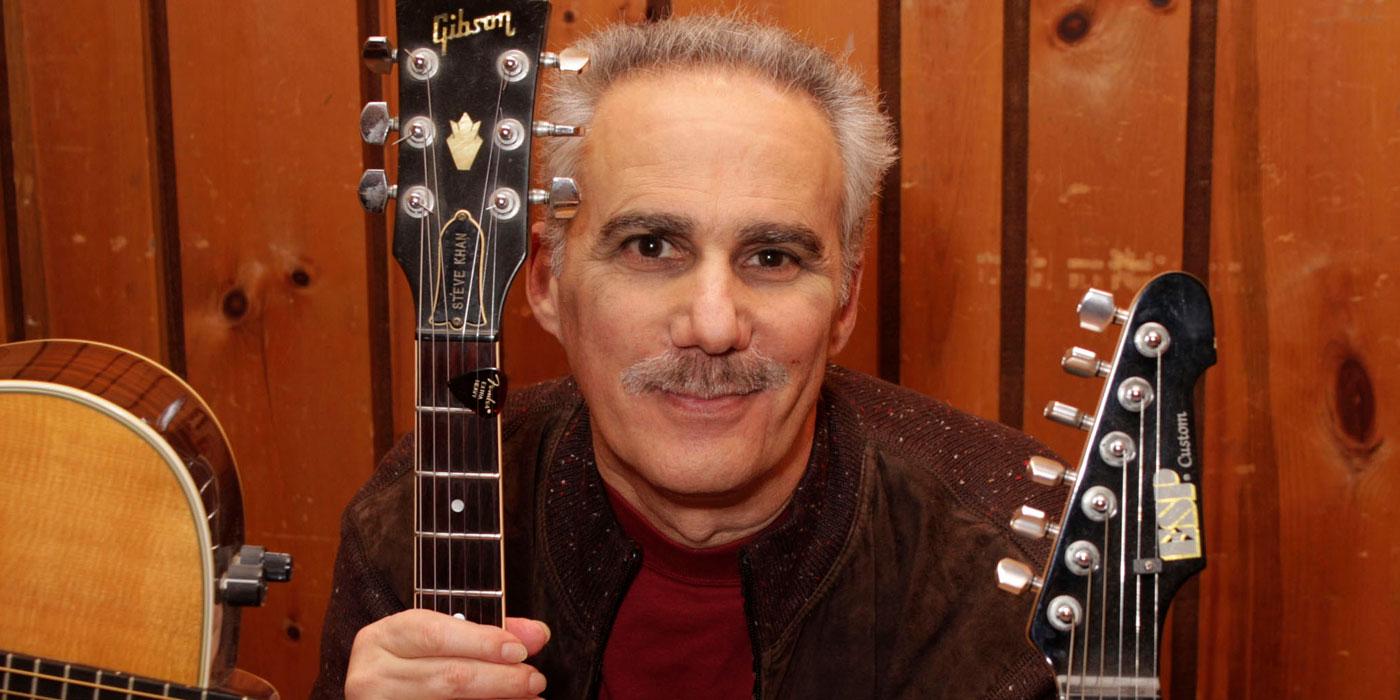
Steve Khan’s Spotify BioGuitarist Steve Khan is a gifted jazz-based performer whose adept skills have found him working with his own groups and as an in-demand session artist. Born in Los Angeles in 1947, Khan grew up in a musical family, the son of famed lyricist Sammy Cahn. Initially, he studied drums and piano in his adolescence before settling on the guitar around age 20. He honed his skills while attending U.C.L.A., after which he moved to New York City and quickly found work in variety of jazz, pop, and R&B settings. During this period he shared the stage with such luminaries as Maynard Ferguson, Buddy Rich, the Brecker Brothers, Joe Zawinul's Weather Update, and others.
As a recording artist, Khan made his debut alongside fellow guitarist Larry Coryell on 1976's Two for the Road. He then delivered several well-received albums for Columbia, including 1977's Tightrope, 1978's The Blue Man, and 1979's Arrows. Also during this period, he found session work appearing on albums by Ashford & Simpson, Rupert… Holmes, Steely Dan, and Billy Joel. In 1980, he delivered the Thelonious Monk-themed Evidence. A year later, he formed the fusion quartet Eyewitness, which continued to work throughout the 1980s. Several more well-regarded albums followed in the '90s, including 1992's Headline, 1994's Crossings, and 1997's Got My Mental with John Patitucci and Jack DeJohnette.
He then joined the Caribbean Jazz Project for 2000's New Horizons and 2001's Paraiso. Khan returned to his solo work in 2006, reuniting with DeJohnette and Patitucci for The Green Field, followed by 2007's Borrowed Time. He then brought along fellow Eyewitness alums Anthony Jackson, Dennis Chambers, and Manolo Badrena for 2011's Parting Shot, followed in 2014 by the salsa-infused Subtext. In 2016 he released Backlog, which featured guest spots from longtime associates like Randy Brecker, Bob Mintzer, Mike Mainieri, and others. ~ Matt Collar, Rovi
Viberate is a music analytics platform built for A&Rs, artist managers, labels, booking agents, marketers, and artists.
It helps music professionals track artist growth, analyze audience data, monitor playlist activity, compare artists, follow song performance, and identify opportunities across the music market.
Public artist pages provide a free preview of selected artist data. Paid plans provide access to deeper analytics, historical data, charts, comparisons, playlist tools, exports, alerts, reports, and additional professional features.
Yes. Public Viberate artist pages provide selected artist analytics and music data for free.
Viberate also offers a 7-day free trial of the full platform. A credit card is required to start the trial. The trial includes access to the complete product so users can test deeper artist analytics, historical views, playlist insights, comparisons, charts, exports, alerts, and reporting features before choosing a paid plan.
Viberate provides artist analytics across streaming, playlists, social media, video, radio airplay, songs, and audience markets.
Users can analyze Spotify performance, Spotify and Apple Music playlists, YouTube activity, TikTok and Instagram growth, radio spins, song performance, audience locations, demographics, rankings, and overall artist momentum.
Artist profiles also connect to music charts, similar artists, and comparison tools, helping users benchmark performance and evaluate artists in context.
Viberate updates key artist and track data daily.
For followed artists and tracks, selected data is refreshed multiple times per day. This helps teams monitor playlist changes, streaming movement, audience growth, releases, and campaign performance with more current data.
Update frequency can vary depending on the metric and data source.
Yes. Viberate lets users compare up to five artists side by side across streaming, social media, audience, and engagement metrics.
Users can compare fanbase growth, audience demographics, locations, Spotify performance, social metrics, and other artist data over selected time periods.
Artist comparison can be used for A&R scouting, benchmarking, booking decisions, campaign planning, and evaluating artists with similar audiences or market positions.