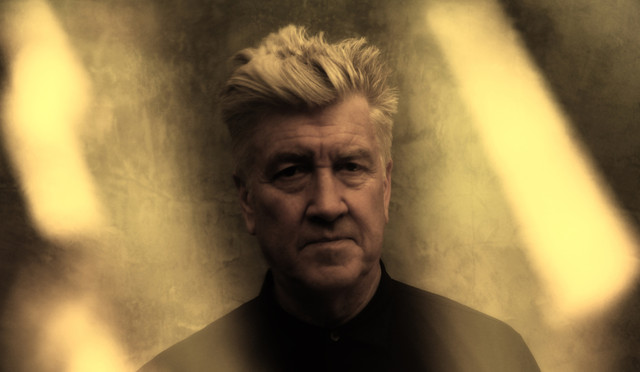
David Lynch

Electronic
Other Electronic Music
Ambient
 Viberate Rank: 38794
 Viberate Rank: 38794
 Monthly ListenersFollowers
 Subscribers
 Followers
 Followers
 FansTop Spotify Songs
| Track | 7-Day Streams | |
|---|---|---|
1 | 8.42K | |
2 | 8.04K | |
3 | 7.35K | |
4 | 5.88K | |
5 | 5.75K |
Top YouTube Videos| Video | 7-Day Views | |
|---|---|---|
1 | 5.94K | |
2 | 804 | |
3 | 588 | |
4 | 302 | |
5 | 165 |
Monthly ListenersFeatured in Playlists| Playlist | Followers | |
|---|---|---|
1 |  66 GREENE _BY.ALEXANDER | 395.68K |
2 |  Dark & Gothic Pete Mills | 177.05K |
3 |  Noël Chill, Jazz & Lounge Topsify France | 108.59K |
4 |  Witchy Songs 🔮🌙 Sarah | 97.70K |
5 |  The Caretaker - Everywhere At The End Of Time Ben | 82.94K |
Audience| City | Monthly Listeners | |
|---|---|---|
1 |  | 2.57K |
2 |  | 2.56K |
3 |  | 2.41K |
4 | | 2.35K |
5 |  | 2.35K |
See full performance history, audience data, playlist activity, rankings, comparisons, and more in Viberate music analytics. Start with a free trial, then continue with a paid plan.
David Lynch’s Spotify BioIn addition to his work as a visionary, award-winning director, writer, producer, sound designer, and carpenter, music was a vital part of David Lynch's artistry. Amidst the industrial noise of his first feature-length film, 1977's Eraserhead, lurked the oddly touching "In Heaven." With lyrics penned by Lynch, the song -- like most of his work -- became a cult classic. Working with composer Angelo Badalamenti on the soundtrack for 1985's Blue Velvet, he realized music could be another rewarding form of expression, and the soundtrack to that movie set the standard for the Lynchian style: twangy guitars, clouds of synths, and gauzy vocals (often courtesy of singer Julee Cruise) that coalesced in a romantic, dreamlike blend of familiar and strange. The music for Lynch and Mark Frost's beloved television show Twin Peaks took that sound into the mainstream, with its soundtrack going gold in the U.S. and Cruise's version of the series' theme song "Falling" becoming an international hit.… Lynch's palette expanded to blues, jazz, and experimental rock on albums such as 2001's John Neff collaboration Blue Bob and to shadowy electronic pop on his 2011 solo debut album Crazy Clown Time and 2013's The Big Dream. The music for 2017's long-awaited third season of Twin Peaks celebrated the show's lasting musical impact as it connected Lynch, Badalamenti, and Cruise with the later generations of artists they inspired. The director's subsequent releases, however, were diverse and innovative, ranging from collaborations with Flying Lotus and Donovan to 2024's Cellophane Memories, an album with Chrystabell that reimagined the surreal pop that started it all.
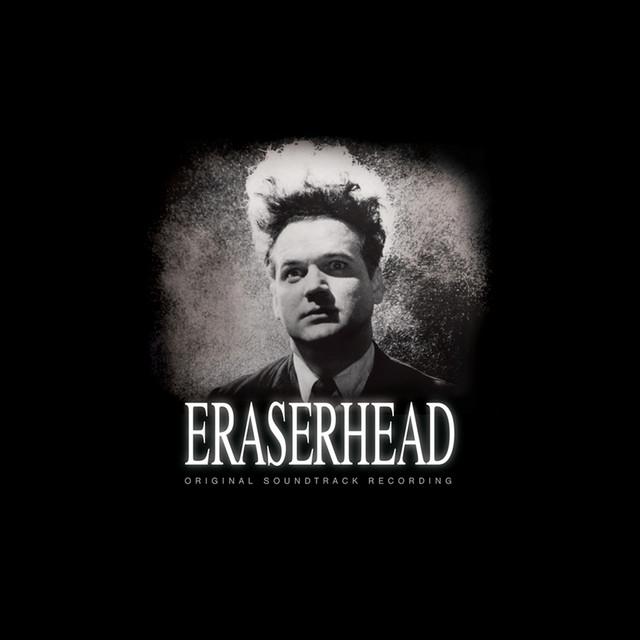
The first Lynch-related music released was the soundtrack to his first feature-length film, 1977's deeply unsettling Eraserhead. Consisting of the grinding, post-industrial sound design created by Lynch and Alan Splet (who began working with the director on his 1970 short The Grandmother), three Fats Waller songs, and "In Heaven (The Lady in the Radiator Song)," a haunting tune composed by Peter Ivers with lyrics by Lynch, the soundtrack was released in 1982. By that time, Eraserhead had become one of the most important cult movies of its time, while "In Heaven (The Lady in the Radiator Song)" eventually became an underground rock staple covered by acts such as Pixies, Devo, Tuxedomoon, and Faith No More.
In the early to mid-'80s, Lynch's career hit highs with the Academy Award-nominated The Elephant Man, and lows with his critically and commercially disappointing adaptation of Frank Herbert's sci-fi novel Dune. He responded by turning to his own, more personal ideas for films, the first of which was 1986's neo-noir Blue Velvet. The film marked the director's first collaboration with composer Angelo Badalamenti, who would go on to write music for most of Lynch's later projects. The film's soundtrack was also the first time Lynch worked with singer Julee Cruise, another key player in the sound of his work. When the rights to use This Mortal Coil's version of "Song to the Siren" were too expensive for the movie's budget, Lynch and Badalamenti wrote a similarly haunting and romantic song, "Mysteries of Love." The composer brought in Cruise (whom he knew from their time working together in a country & western musical) and the song's dreamy blend of synths, strings, and her vocals made it a cult favorite.
"Mysteries of Love" set the tone for Lynch, Badalamenti, and Cruise's further collaborations. First up was the singer's debut album, September 1989's Floating Into the Night. Featuring music by Badalamenti and lyrics by Lynch, the album's blend of dream pop and jazz didn't make much of an impression until Lynch and Mark Frost's cult classic TV series Twin Peaks -- which used an instrumental version of the Floating single "Falling" as its theme song -- premiered in April 1990. In the wake of the stylish mystery's success, Floating Into the Night reached number 74 on the Billboard 200 Albums chart in the U.S., and also charted in Canada, Australia, New Zealand, and Sweden; in the U.K., it was eventually certified silver by the British Phonographic Industry. Meanwhile, Cruise's version of "Falling" topped the Australian charts, became a Top Ten U.K. hit, and peaked at number 11 on the Billboard Alternative Airplay chart. The Twin Peaks soundtrack, which featured three songs from Floating along with Badalamenti's moody score, went gold in the U.S. (additionally, the instrumental version of "Falling" won the Grammy Award for Best Pop Instrumental in 1991). During this time, Lynch and Badalamenti also created Industrial Symphony No. 1: The Dream of the Broken Hearted, a theatrical piece commissioned by the Brooklyn Academy of Music for the New Music America Festival that featured Laura Dern, Nicolas Cage, and Michael J. Anderson as well as Cruise; a filmed version of the production appeared in 1990. Lynch, Cruise, and Badalamenti continued their partnership on the soundtrack for 1992's feature film Twin Peaks: Fire Walk with Me and Cruise's second album, October 1993's The Voice of Love, which continued the hazy sound of her debut and included versions of songs that appeared in Fire Walk with Me, Industrial Symphony No. 1, and the director's 1990 film Wild at Heart.
Later in the '90s, Lynch's projects included the 1997 film Lost Highway, but he returned to music with the following year's otherworldly album Lux Vivens. A collaboration with Scottish vocalist/fiddler Jocelyn Montgomery, who appeared in the 1997 Lynch documentary Pretty as a Picture, the album reimagined the 12th century verses of Hildegard von Bingen in a contemporary context with concepts and sound engineering by the director, John Neff, and Mark Seagraves. Lynch balanced the critically acclaimed films The Straight Story and Mullholland Drive with musical projects including October 2001's Blue Bob, a set of moody experimental rock performed with Neff. The pair reunited for the 2002 single "Cannes Memory." Lynch spent the next few years experimenting with digital shorts he released on his website, returning to feature-length films with 2006's Inland Empire. The film's creative team included two artists who would become ongoing creative partners: sound designer Dean Hurley and singer/songwriter Chrystabell, whose song "Polish Poem" appeared on the soundtrack.
In 2007, a wealth of Lynch-related releases appeared. These included the Inland Empire soundtrack; Twin Peaks Music: Season Two Music and More; the soundtrack to his retrospective exhibition The Air Is on Fire, which featured contributions from Hurley; and Polish Night Music, a collaboration with pianist/composer Marek Zebrowski. That year, Lynch also released his solo debut single, "Ghost of Love." After founding his own label in 2008, Lynch released Fox Bat Strategy: A Tribute to Dave Jaurequi, a collection of songs recorded in 1994 with the band that appeared in Twin Peaks: Fire Walk with Me and included Jaurequi and Smokey Hormel among its guitarists. The director entered the 2010s with projects as diverse as voicing Gus the Bartender on the animated TV series The Cleveland Show, collaborating with Lee "Scratch" Perry and Dubblestandart on an EP, and Dark Night of the Soul, a multimedia sound and art gallery created in conjunction with Danger Mouse and Sparklehorse's Mark Linkous that also included contributions from James Mercer, Gruff Rhys, Jason Lytle, Julian Casablancas, Frank Black, Iggy Pop, Nina Persson, Suzanne Vega, and Vic Chesnutt.
In November 2011, Lynch released his debut solo album Crazy Clown Time. The album's "electronic blues" was composed and performed by Lynch and Hurley, with Lynch tackling vocal duties on all of the tracks except the Karen O cameo "Pinky's Dream." The album reached number 12 on the U.K. Independent Albums chart and number three on the Heatseekers Albums Chart in the U.S., and appeared on the charts of several European countries. The director's other projects that year included the Chrystabell album This Train and directing Duran Duran's concert at Los Angeles' Mayan Theater. Lynch was just as busy in 2012, releasing The Twin Peaks Archive and the audio memoir The Marriage of Picture and Sound. The following July, he issued his next solo album, The Big Dream. Another blues-inspired effort with contributions from Lykke Li, the album peaked at number five on the Heatseekers Albums in the U.S. and number 20 on the U.K. Independent Albums Chart. Later in the year, the Bad the John Boy EP delivered a previously unreleased track from The Big Dream sessions as well as a remix of that album's title track by Venetian Snares. In 2014, The Big Dream Remixes EP arrived as a limited-edition Record Store Day release. Two years later, Lynch partnered with Chrystabell on the Somewhere in the Nowhere EP, which added more electronic instrumentation and a darker mood to the pair's dreamy pop.
In 2017, Lynch returned to the hugely successful Twin Peaks television series with its long-awaited third season, Twin Peaks: The Return. Along with more of the director and Badalamenti's music, the show featured Hurley's ambient soundscapes as well as his work as the drummer of Trouble, a fictional band that appeared in the show (and also featured Lynch's son Riley on guitar and Dirty Beaches' Alex Zhang Hungtai on tenor saxophone). Meanwhile, Cruise returned to perform a rendition of "The World Spins" that appeared on Twin Peaks [Music from the Limited Event Series] and Chrystabell took on the role of FBI agent Tammy Preston. Another Twin Peaks-related project appeared in 2018 in the form of Thought Gang, a collection of experimental, jazz- and funk-tinged pieces by Lynch and Badalamenti in the early '90s (some of which appeared on the soundtracks of Twin Peaks: Fire Walk with Me and Twin Peaks: The Return). Two years later, Lynch guested on "Fire Is Coming" from Flying Lotus' fire-themed album Flamagra, and in 2021, he produced Donovan's "I Am the Shaman," a track released on the singer/songwriter's 75th birthday. Lynch worked with Chrystabell once again on July 2024's full-length Cellophane Memories. Recorded at Lynch's Asymmetrical Studio over the course of a year with Lynch producing and Chrystabell engineering the sessions, the album's experimental editing added a hallucinatory quality to its torch songs. That year, the director announced his emphysema diagnosis, and in January 2025, Lynch died at the age of 78. ~ Heather Phares, Rovi
Viberate is a music analytics platform built for A&Rs, artist managers, labels, booking agents, marketers, and artists.
It helps music professionals track artist growth, analyze audience data, monitor playlist activity, compare artists, follow song performance, and identify opportunities across the music market.
Public artist pages provide a free preview of selected artist data. Paid plans provide access to deeper analytics, historical data, charts, comparisons, playlist tools, exports, alerts, reports, and additional professional features.
Yes. Public Viberate artist pages provide selected artist analytics and music data for free.
Viberate also offers a 7-day free trial of the full platform. A credit card is required to start the trial. The trial includes access to the complete product so users can test deeper artist analytics, historical views, playlist insights, comparisons, charts, exports, alerts, and reporting features before choosing a paid plan.
Viberate provides artist analytics across streaming, playlists, social media, video, radio airplay, songs, and audience markets.
Users can analyze Spotify performance, Spotify and Apple Music playlists, YouTube activity, TikTok and Instagram growth, radio spins, song performance, audience locations, demographics, rankings, and overall artist momentum.
Artist profiles also connect to music charts, similar artists, and comparison tools, helping users benchmark performance and evaluate artists in context.
Viberate updates key artist and track data daily.
For followed artists and tracks, selected data is refreshed multiple times per day. This helps teams monitor playlist changes, streaming movement, audience growth, releases, and campaign performance with more current data.
Update frequency can vary depending on the metric and data source.
Yes. Viberate lets users compare up to five artists side by side across streaming, social media, audience, and engagement metrics.
Users can compare fanbase growth, audience demographics, locations, Spotify performance, social metrics, and other artist data over selected time periods.
Artist comparison can be used for A&R scouting, benchmarking, booking decisions, campaign planning, and evaluating artists with similar audiences or market positions.