David Grier

Country
Bluegrass
 Viberate Rank: 243422
 Viberate Rank: 243422
 Monthly ListenersFollowers
 Subscribers
 Followers
 Followers
 FansTop Spotify Songs
| Track | 7-Day Streams | |
|---|---|---|
1 | 4.64K | |
2 | 1.76K | |
3 | 1.14K | |
4 | 1.06K | |
5 | 913 |
Top YouTube VideosMonthly ListenersFeatured in Playlists| Playlist | Followers | |
|---|---|---|
1 |  Instrumental Bluegrass Spotify | 64.54K |
2 |  Jacob's Optimum Music Feast Jacob Collier | 47.95K |
3 |  Old Time & American Folk notduncan | 12.70K |
4 | Bluegrass 1258178990 | 7.83K |
5 |  Chill Acoustic Covers Best Playlists Ever | 6.46K |
Audience| City | Monthly Listeners | |
|---|---|---|
1 | | 369 |
2 | | 346 |
3 | | 291 |
4 | | 285 |
5 | | 261 |
See full performance history, audience data, playlist activity, rankings, comparisons, and more in Viberate music analytics. Start with a free trial, then continue with a paid plan.
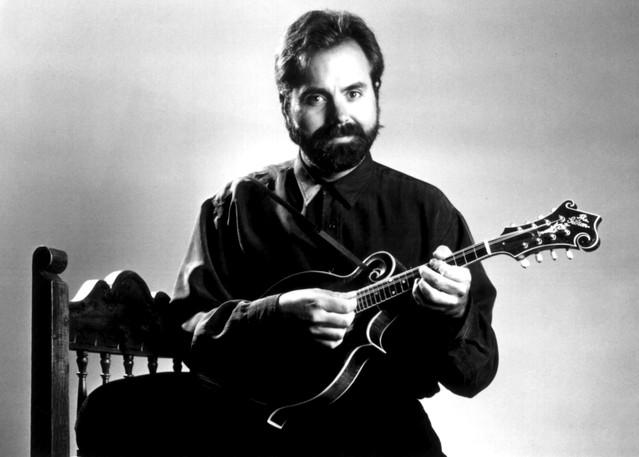
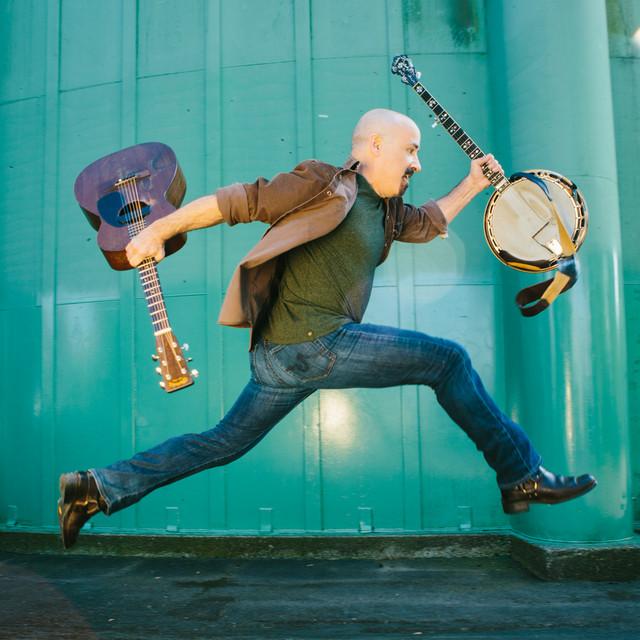
David Grier’s Spotify BioDavid Grier stands at the forefront of progressive bluegrass guitarists, following in the footsteps of Clarence White and Tony Rice. Three-time winner of the Best Guitar Player of the Year award by the Bluegrass International Music Association, Grier began playing guitar at age eight. His father, Lamar Grier, played banjo with Bill Monroe's Blue Grass Boys and Grier had an opportunity to learn from a number of musicians, including legendary guitarist Clarence White. Although surrounded by bluegrass musicians, Grier counts Ry Cooder, Jimi Hendrix, and Eric Clapton as influences.
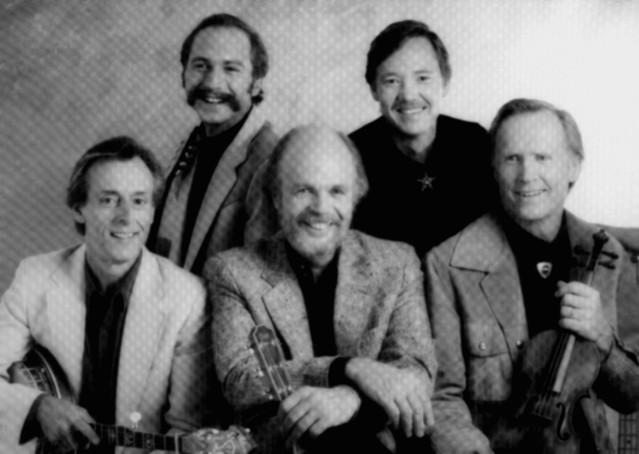
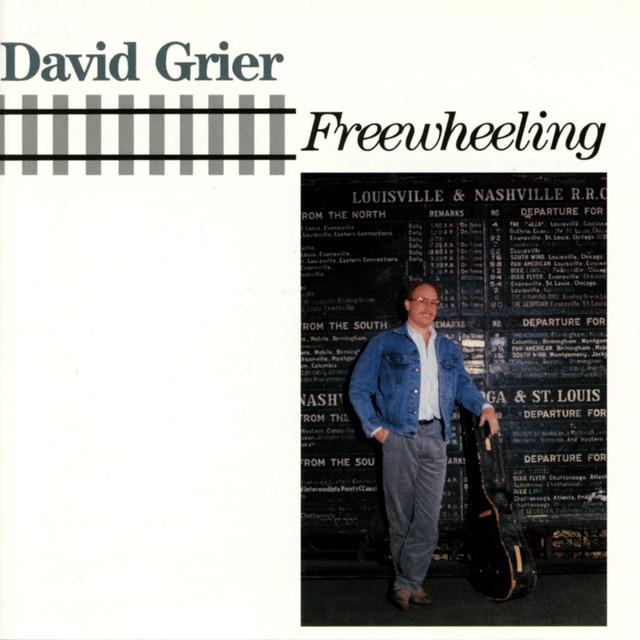
Grier played bluegrass with the the Country Gazette and Doug Dillard in the '80s, but he began recording his own projects in 1988 with Freewheeling followed by 1991's Climbing the Walls with mandolin player Mike Compton. By the mid-'90s Grier had become a valued session player, working with quality musicians like fiddler Stuart Duncan, banjoist Tony Furtado, and working on projects like the Grammy-winning Great… Dobro Sessions.
Grier has shown a willingness to play in a variety of styles, and he has refused to be confined to any musical genre. From the potpourri of his 1995 release Lone Soldier to the progressive bluegrass of Psychograss' Like Minds, Grier has continued to develop as an artist. Both of these projects, plus 1997's Panorama, have been purely instrumental projects, a feast for lovers of acoustic music.
In 1998, Hootenanny was released on his own recording label, Dreadnought, and the following year he recorded the jazzier Phillips, Grier & Flinner with mandolin player Matt Flinner and bassist Todd Phillips. He has been recognized by Acoustic Guitar as one of the ten most influential artists of the '90s. Grier's inventive and occasionally unorthodox style along with his ability to hop from genre to genre continue to keep his music fresh and vital. ~ Ronnie D. Lankford, Jr., Rovi
Viberate is a music analytics platform built for A&Rs, artist managers, labels, booking agents, marketers, and artists.
It helps music professionals track artist growth, analyze audience data, monitor playlist activity, compare artists, follow song performance, and identify opportunities across the music market.
Public artist pages provide a free preview of selected artist data. Paid plans provide access to deeper analytics, historical data, charts, comparisons, playlist tools, exports, alerts, reports, and additional professional features.
Yes. Public Viberate artist pages provide selected artist analytics and music data for free.
Viberate also offers a 7-day free trial of the full platform. A credit card is required to start the trial. The trial includes access to the complete product so users can test deeper artist analytics, historical views, playlist insights, comparisons, charts, exports, alerts, and reporting features before choosing a paid plan.
Viberate provides artist analytics across streaming, playlists, social media, video, radio airplay, songs, and audience markets.
Users can analyze Spotify performance, Spotify and Apple Music playlists, YouTube activity, TikTok and Instagram growth, radio spins, song performance, audience locations, demographics, rankings, and overall artist momentum.
Artist profiles also connect to music charts, similar artists, and comparison tools, helping users benchmark performance and evaluate artists in context.
Viberate updates key artist and track data daily.
For followed artists and tracks, selected data is refreshed multiple times per day. This helps teams monitor playlist changes, streaming movement, audience growth, releases, and campaign performance with more current data.
Update frequency can vary depending on the metric and data source.
Yes. Viberate lets users compare up to five artists side by side across streaming, social media, audience, and engagement metrics.
Users can compare fanbase growth, audience demographics, locations, Spotify performance, social metrics, and other artist data over selected time periods.
Artist comparison can be used for A&R scouting, benchmarking, booking decisions, campaign planning, and evaluating artists with similar audiences or market positions.