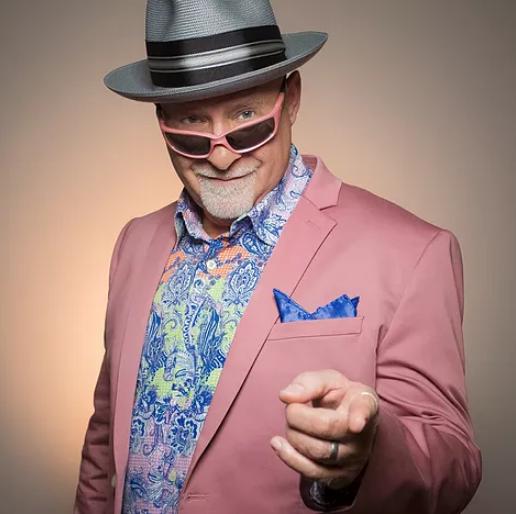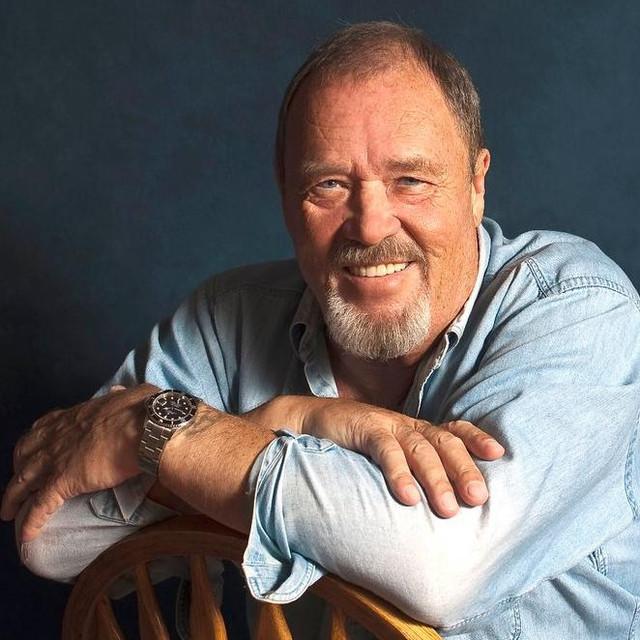
David Clayton-Thomas

Blues
Contemporary Blues
Big band Jazz
 Viberate Rank: 297368
 Viberate Rank: 297368
 Monthly ListenersFollowers
 Subscribers
 Followers
 Followers
 FansTop Spotify Songs
| Track | 7-Day Streams | |
|---|---|---|
1 | 191 | |
2 | 183 | |
3 | 116 | |
4 | 90 | |
5 | 71 |
Top YouTube VideosMonthly ListenersFeatured in Playlists| Playlist | Followers | |
|---|---|---|
1 |  This Is Blood, Sweat & Tears Spotify | 12.10K |
2 |  Soul & Jazz Cafe 2026 RBsound Holland | 12.02K |
3 | Best Live Performances Jorge Esquivel | 5.66K |
4 |  Bebop Jazz/Swing 🎺 zach the ego 🍄 | 5.41K |
5 |  Rock Clássico Topsify Legends | 4.92K |
Audience| City | Monthly Listeners | |
|---|---|---|
1 | | 68 |
2 |  | 27 |
3 | | 24 |
4 |  | 21 |
5 |  | 21 |
See full performance history, audience data, playlist activity, rankings, comparisons, and more in Viberate music analytics. Start with a free trial, then continue with a paid plan.
David Clayton-Thomas’ Spotify BioDavid Clayton-Thomas fronted Blood, Sweat & Tears during their popular peak, singing the hits "You've Made Me So Very Happy," "And When I Die," "Hi-De-Ho," and his composition "Spinning Wheel." The latter suggested the musical ambitions he harbored and after the group's hot streak cooled in 1972, he set out on a solo career that he quickly put on ice so he could return to the group in 1975. From that point forward, Clayton-Thomas alternated between Blood, Sweat & Tears and a solo career, eventually leaving the band for good in 2004. Once he departed, he stayed on the road as a solo attraction, occasionally entering the studio for a new recording.
Clayton-Thomas -- who was born David Henry Thomsett in Kingston Upon Thames, Surrey, England on September 13, 1941-- was the son of a Canadian soldier and a musician mother. Raised in Willowdale, Toronto, he feuded with his father and had a troubled adolescence, finding solace in music. He began playing and, like other fledgling Canadian… rockers of the early '60s, he was mentored by rockabilly cat Ronnie Hawkins, then headed out to start his own band. Adopting the stage name David Clayton-Thomas, he formed the Fabulous Shays, who released a cover of John Lee Hooker's "Boom Boom" in 1964. It got enough attention for the group to appear on NBC's Hullabaloo, but Clayton-Thomas soon left the group and gravitated toward folk and blues. After playing Toronto coffee houses for a spell, he decided to form the jazz-inspired Bossmen, who had a hit with "Brainwashed" in 1966. Clayton-Thomas released an album called Sings Like It Is! on Canada's Roman Records in 1968 then headed down to New York City, playing folk venues until he met Blood, Sweat & Tears drummer Bobby Colomby. At the time, Blood, Sweat & Tears were looking for a vocalist to replace the recently departed Al Kooper, and once Columbia's head Clive Davis signed off on Clayton-Thomas, he joined the group -- but not before Decca put out an LP called David Clayton-Thomas!
Blood, Sweat & Tears -- the singer's first album with the band and their second album -- arrived in December 1968 and was a smash hit, reaching number one on the Billboard charts, winning the 1970 Grammy for Album of the Year and spinning off the hits "You've Made Me So Very Happy," "Spinning Wheel," and "And When I Die," which all peaked at number two in 1969. Blood, Sweat & Tears 3 came in 1970, producing the modest hits "Hi-De-Ho" (which peaked at 14) and "Lucretia Mac Evil" (29). The band's momentum slowed with 1971's B, S, & T 4, and Clayton-Thomas left after its 1971 release. The singer released an eponymous album in early 1972, followed by Tequila Sunrise at the dawn of the new year, before departing for RCA in 1973, where he released Harmony Junction. Also in 1973, he hosted the CBC music television series The David Clayton-Thomas Show. Clayton-Thomas rejoined Blood, Sweat & Tears in 1975, making his second debut on that year's New City LP. Two more albums followed quickly -- More Than Ever in 1976 and Brand New Day 1977 -- before Bobby Colomby left the group, retaining the rights to the band's name.
Clayton-Thomas released another solo album called Clayton on ABC in 1977, then received permission from Colomby to form a new Blood, Sweat & Tears for 1980's Nuclear Blues. The band officially split following that record, but the singer decided to return to performing in 1983, entering a period where he'd tour solo but see promoters bill him as Blood, Sweat & Tears. The singer and Bobby Colomby wound up agreeing to a 1984 deal where Clayton-Thomas could tour with a revolving lineup under the Blood, Sweat & Tears name, a deal that held for 30 years. In 2004, Clayton-Thomas stopped using the name, returned to his hometown of Toronto, and began working under his own name, touring and releasing records on a steady basis for the next few decades. He had returned to solo recordings a little bit earlier, releasing Blue Plate on Stony Plain in 1997, but his first album since leaving Blood, Sweat & Tears behind was 2005's Aurora. Spectrum followed in 2009, with Soul Ballads hot on its heels in 2010. He released a blues album called A Blues for the New World in 2013, assembled a combo called Combo for 2015's Combo, releasing the solo Soul Ballads by the end of the year. In October 2016, he released the full-length Canadiana, a record filled with covers of songs written by Canadian songwriters. He followed the album in December with "Ode to the Donald," a song of protest against the American election of Donald J. Trump. ~ Stephen Thomas Erlewine, Rovi
Viberate is a music analytics platform built for A&Rs, artist managers, labels, booking agents, marketers, and artists.
It helps music professionals track artist growth, analyze audience data, monitor playlist activity, compare artists, follow song performance, and identify opportunities across the music market.
Public artist pages provide a free preview of selected artist data. Paid plans provide access to deeper analytics, historical data, charts, comparisons, playlist tools, exports, alerts, reports, and additional professional features.
Yes. Public Viberate artist pages provide selected artist analytics and music data for free.
Viberate also offers a 7-day free trial of the full platform. A credit card is required to start the trial. The trial includes access to the complete product so users can test deeper artist analytics, historical views, playlist insights, comparisons, charts, exports, alerts, and reporting features before choosing a paid plan.
Viberate provides artist analytics across streaming, playlists, social media, video, radio airplay, songs, and audience markets.
Users can analyze Spotify performance, Spotify and Apple Music playlists, YouTube activity, TikTok and Instagram growth, radio spins, song performance, audience locations, demographics, rankings, and overall artist momentum.
Artist profiles also connect to music charts, similar artists, and comparison tools, helping users benchmark performance and evaluate artists in context.
Viberate updates key artist and track data daily.
For followed artists and tracks, selected data is refreshed multiple times per day. This helps teams monitor playlist changes, streaming movement, audience growth, releases, and campaign performance with more current data.
Update frequency can vary depending on the metric and data source.
Yes. Viberate lets users compare up to five artists side by side across streaming, social media, audience, and engagement metrics.
Users can compare fanbase growth, audience demographics, locations, Spotify performance, social metrics, and other artist data over selected time periods.
Artist comparison can be used for A&R scouting, benchmarking, booking decisions, campaign planning, and evaluating artists with similar audiences or market positions.