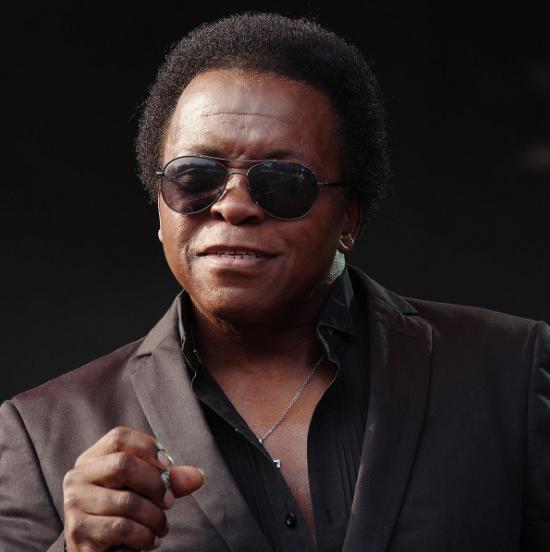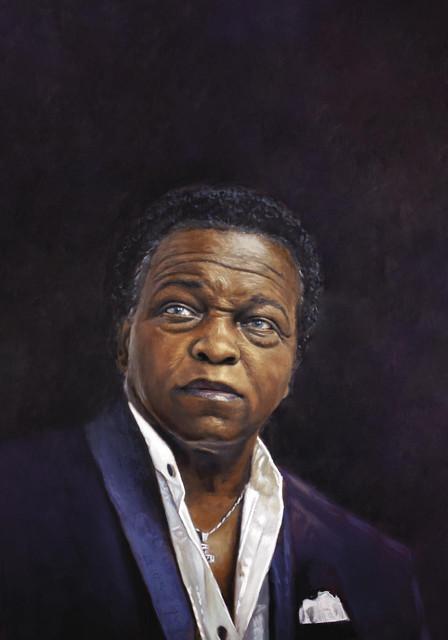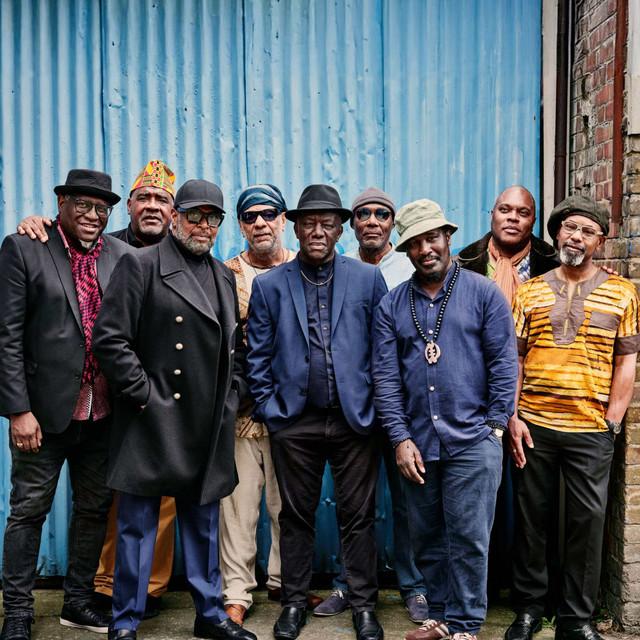
Darondo

R&B
Funk
Afrobeat
 Viberate Rank: 45634
 Viberate Rank: 45634
 Monthly ListenersFollowers
 Subscribers
 Followers
 Followers
 FansTop Spotify Songs
| Track | 7-Day Streams | |
|---|---|---|
1 | 373.60K | |
2 | 52.21K | |
3 | 44.81K | |
4 | 28.13K | |
5 | 27.08K |
Top YouTube VideosMonthly ListenersFeatured in Playlists| Playlist | Followers | |
|---|---|---|
1 |  Top Boy Official Playlist Spotify | 219.48K |
2 |  real good shit Tom Misch | 165.62K |
3 |  70s R&B/Soul - The Golden Era Raul Gabriel - Music | 159.65K |
4 |  🌈 LSD | ACID | peaceful | psychedelic | good vibes | trippy | happy 🌈 nerogee | 140.57K |
5 |  Funky Soul (Old Skool) Greg.atini | 117.63K |
Audience| City | Monthly Listeners | |
|---|---|---|
1 |  | 28.12K |
2 |  | 16.52K |
3 | | 15.74K |
4 | | 15.59K |
5 | | 15.16K |
See full performance history, audience data, playlist activity, rankings, comparisons, and more in Viberate music analytics. Start with a free trial, then continue with a paid plan.
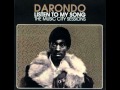
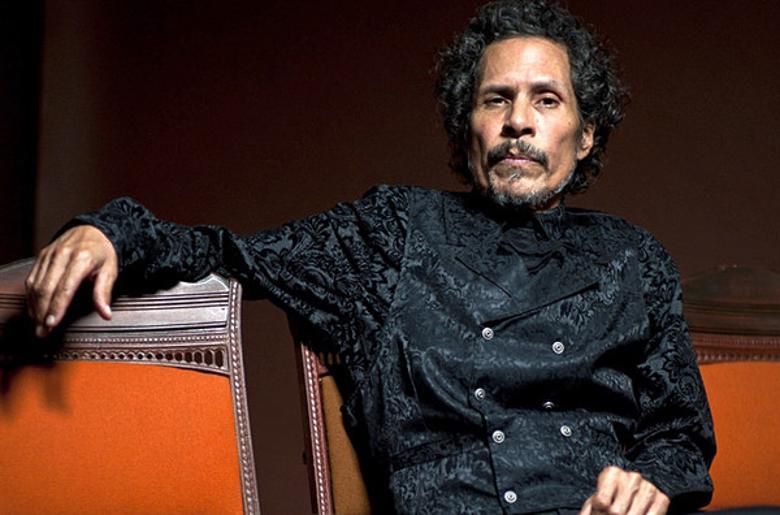
Darondo’s Spotify BioA major favorite in funk collectors' circles, sweet soul crooner Darondo was born William Pulliam in Berkeley, CA. After receiving his first guitar at the age of eight, he later teamed with a handful of school friends to form the house band at the Lucky 13, an area teen club. According to Oliver Wang's profile in the April/May 2006 issue of Wax Poetics, Pulliam later trained as an electrician but retained his musical aspirations, and in 1970 cut his first Darondo single, "How I Got Over," for the fledging independent label Ocampo. Suggesting an earthier, street-smart Al Green, the record was hampered by distribution problems but nevertheless became a fixture on local radio station KSOL, earning Darondo the attention of Ray Dobard's Music City imprint. Despite recording an entire LP's worth of material, the label issued just one lone single, the lush "Didn't I." Darondo also opened for James Brown and enjoyed an extended residency at the famed San Francisco club Bimbo's, but following a… third single, the obscure Af-Fa World release "Legs," his music career ground to a halt. He spent the remainder of the decade as a pimp before abandoning the life in 1981 to host a series of local cable television showcases including Darondo's Penthouse After Dark, Doze Comedy Videos, and the children's program Tapper the Rabbit. After spending the late '80s on the Fiji Islands, Darondo returned to Berkeley and studied physical therapy. When the acclaimed 2005 compilation Gilles Peterson Digs America vaulted "Didn't I" to the attention of soul aficionados across the globe, the race to discover the singer's current whereabouts was on, and in 2006 the Luv 'N Haight label released Let My People Go, collecting Darondo's three classic singles as well as several unreleased cuts from the same sessions. ~ Jason Ankeny, Rovi
Viberate is a music analytics platform built for A&Rs, artist managers, labels, booking agents, marketers, and artists.
It helps music professionals track artist growth, analyze audience data, monitor playlist activity, compare artists, follow song performance, and identify opportunities across the music market.
Public artist pages provide a free preview of selected artist data. Paid plans provide access to deeper analytics, historical data, charts, comparisons, playlist tools, exports, alerts, reports, and additional professional features.
Yes. Public Viberate artist pages provide selected artist analytics and music data for free.
Viberate also offers a 7-day free trial of the full platform. A credit card is required to start the trial. The trial includes access to the complete product so users can test deeper artist analytics, historical views, playlist insights, comparisons, charts, exports, alerts, and reporting features before choosing a paid plan.
Viberate provides artist analytics across streaming, playlists, social media, video, radio airplay, songs, and audience markets.
Users can analyze Spotify performance, Spotify and Apple Music playlists, YouTube activity, TikTok and Instagram growth, radio spins, song performance, audience locations, demographics, rankings, and overall artist momentum.
Artist profiles also connect to music charts, similar artists, and comparison tools, helping users benchmark performance and evaluate artists in context.
Viberate updates key artist and track data daily.
For followed artists and tracks, selected data is refreshed multiple times per day. This helps teams monitor playlist changes, streaming movement, audience growth, releases, and campaign performance with more current data.
Update frequency can vary depending on the metric and data source.
Yes. Viberate lets users compare up to five artists side by side across streaming, social media, audience, and engagement metrics.
Users can compare fanbase growth, audience demographics, locations, Spotify performance, social metrics, and other artist data over selected time periods.
Artist comparison can be used for A&R scouting, benchmarking, booking decisions, campaign planning, and evaluating artists with similar audiences or market positions.