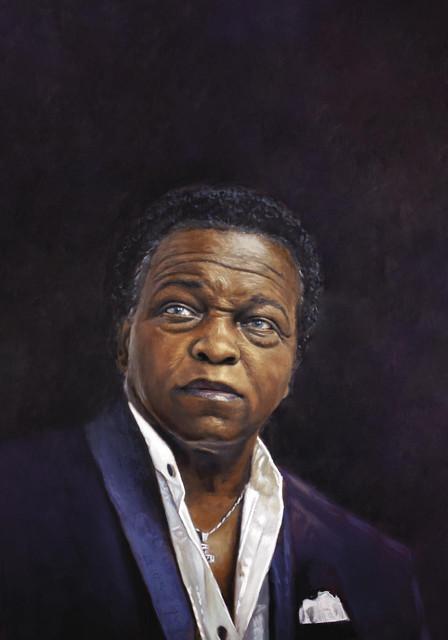
Lee Fields & The Expressions

R&B
Soul
Retro Soul
 Viberate Rank: 54392
 Viberate Rank: 54392
 Monthly ListenersFollowers
 Subscribers
 Followers
 Followers
 FansTop Spotify Songs
| Track | 7-Day Streams | |
|---|---|---|
1 | 32.17K | |
2 | 27.09K | |
3 | 19.88K | |
4 | 18.30K | |
5 | 10.03K |
Top YouTube Videos| Video | 7-Day Views | |
|---|---|---|
1 | 1.38K | |
2 | 966 | |
3 | 714 | |
4 | 645 | |
5 | 477 |
Monthly ListenersFeatured in Playlists| Playlist | Followers | |
|---|---|---|
1 |  Feelin' Good Spotify | 3.58M |
2 |  Soulful Day Spotify | 1.01M |
3 |  Stay in Bed Spotify | 741.55K |
4 |  Sad Soul Spotify | 386.12K |
5 |  Revenge Dreamville | 185.93K |
Audience| City | Monthly Listeners | |
|---|---|---|
1 |  | 7.12K |
2 | | 4.36K |
3 |  | 3.52K |
4 |  | 3.51K |
5 | | 3.49K |
See full performance history, audience data, playlist activity, rankings, comparisons, and more in Viberate music analytics. Start with a free trial, then continue with a paid plan.
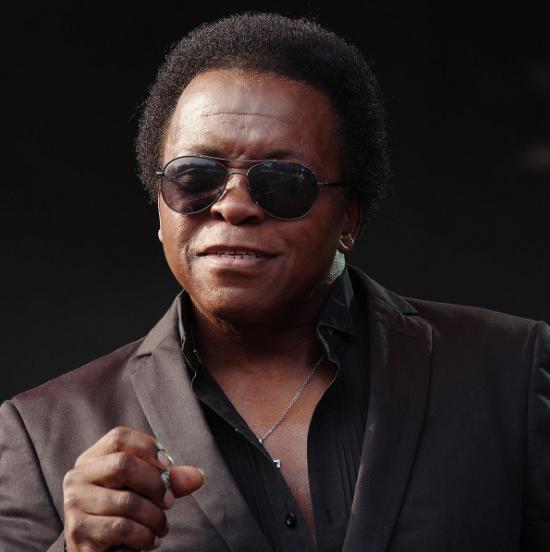
Lee Fields & The Expressions’ Spotify BioSoul music pours out of Lee Fields, as free and unstinting as God’s love. It has ever since the 1960s, when he was a teenager in North Carolina sweating it out on juke joint stages, crumpled dollars hailing at his feet. It continues now that the living legend is in his late sixties, ushering in the most successful and fruitful period of his career.
Like any living legend worth their salt, Fields has suffered despair, obscurity, defeat. Although he now tours stages around the world, and although he helped fellow soul legends like Sharon Jones (who was once Fields’ backup singer) and Charles Bradley (whom Fields took on his first tour) get their first break, he did not always have this position. There were years—they were known as “the 1980s”—when Fields nearly gave up. His success these days, then has a bittersweet tinge: His dear friends Bradley and Jones have both passed, leaving Fields to outlive them and carry their legacy forth.
With all these years, and all this life, comes a sort… of divine wisdom, and Fields has it in spades. “I am a sinner, just like everybody else,” he says gravely. He is no “holier-than-thou guy,” he adds. He just believes in people’s ability to love and be loved, and he understands that music is the divine bridge to these places.
Viberate is a music analytics platform built for A&Rs, artist managers, labels, booking agents, marketers, and artists.
It helps music professionals track artist growth, analyze audience data, monitor playlist activity, compare artists, follow song performance, and identify opportunities across the music market.
Public artist pages provide a free preview of selected artist data. Paid plans provide access to deeper analytics, historical data, charts, comparisons, playlist tools, exports, alerts, reports, and additional professional features.
Yes. Public Viberate artist pages provide selected artist analytics and music data for free.
Viberate also offers a 7-day free trial of the full platform. A credit card is required to start the trial. The trial includes access to the complete product so users can test deeper artist analytics, historical views, playlist insights, comparisons, charts, exports, alerts, and reporting features before choosing a paid plan.
Viberate provides artist analytics across streaming, playlists, social media, video, radio airplay, songs, and audience markets.
Users can analyze Spotify performance, Spotify and Apple Music playlists, YouTube activity, TikTok and Instagram growth, radio spins, song performance, audience locations, demographics, rankings, and overall artist momentum.
Artist profiles also connect to music charts, similar artists, and comparison tools, helping users benchmark performance and evaluate artists in context.
Viberate updates key artist and track data daily.
For followed artists and tracks, selected data is refreshed multiple times per day. This helps teams monitor playlist changes, streaming movement, audience growth, releases, and campaign performance with more current data.
Update frequency can vary depending on the metric and data source.
Yes. Viberate lets users compare up to five artists side by side across streaming, social media, audience, and engagement metrics.
Users can compare fanbase growth, audience demographics, locations, Spotify performance, social metrics, and other artist data over selected time periods.
Artist comparison can be used for A&R scouting, benchmarking, booking decisions, campaign planning, and evaluating artists with similar audiences or market positions.