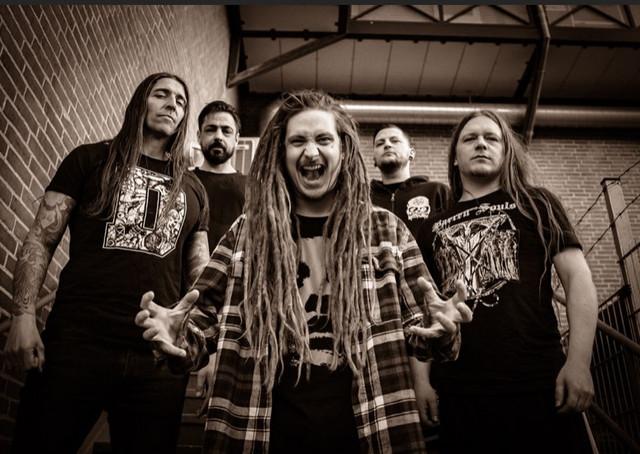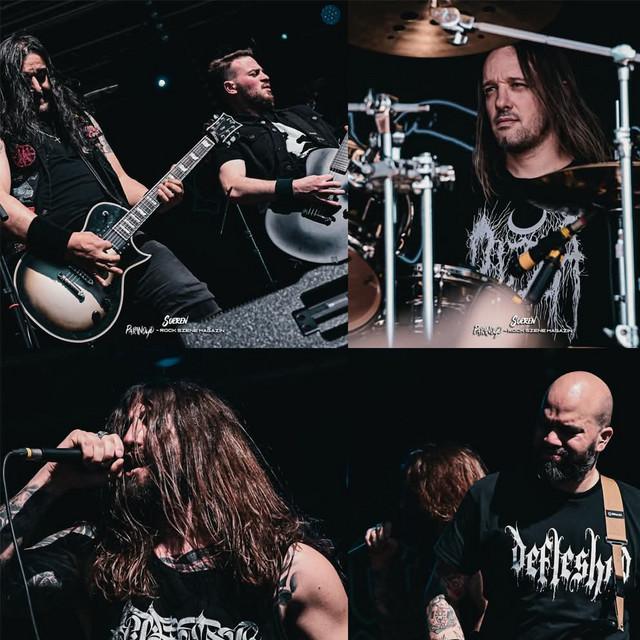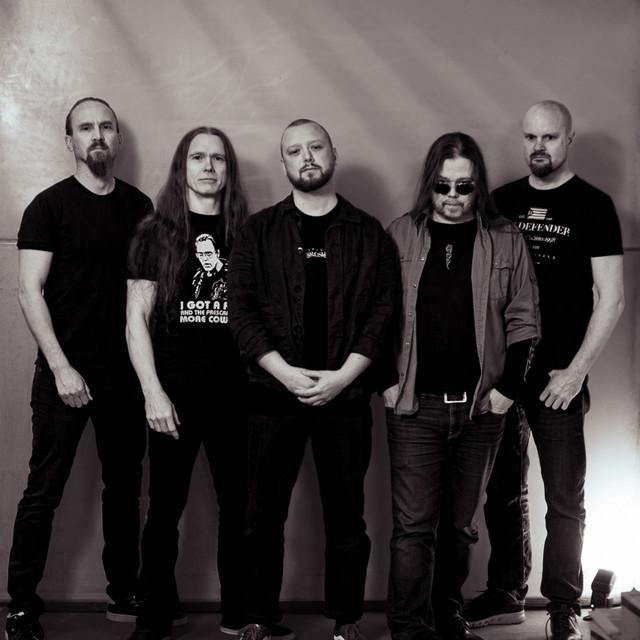
Darkane

Metal
Death Metal
Thrash Metal
 Viberate Rank: 164992
 Viberate Rank: 164992
 Monthly ListenersFollowers
 Subscribers
 Followers
 Followers
 FansTop Spotify Songs
| Track | 7-Day Streams | |
|---|---|---|
1 | 413 | |
2 | 261 | |
3 | 223 | |
4 | 197 | |
5 | 174 |
Top YouTube VideosMonthly ListenersFeatured in Playlists| Playlist | Followers | |
|---|---|---|
1 |  Ultimate Melodic Death Metal Loudwire | 14.71K |
2 | Instrumental Metal! \m/ Chris Fay | 9.89K |
3 | 🦴Melodic Metalcore🦴 Jan Tore Hylland | 7.62K |
4 |  FERCARNAL DJ SET ♥️ Fer carnal Music | 4.95K |
5 |  SEKKDS 10K x 10K SEKKDS | 4.00K |
Audience| City | Monthly Listeners | |
|---|---|---|
1 |  | 120 |
2 | | 94 |
3 |  | 88 |
4 | | 73 |
5 |  | 62 |
See full performance history, audience data, playlist activity, rankings, comparisons, and more in Viberate music analytics. Start with a free trial, then continue with a paid plan.
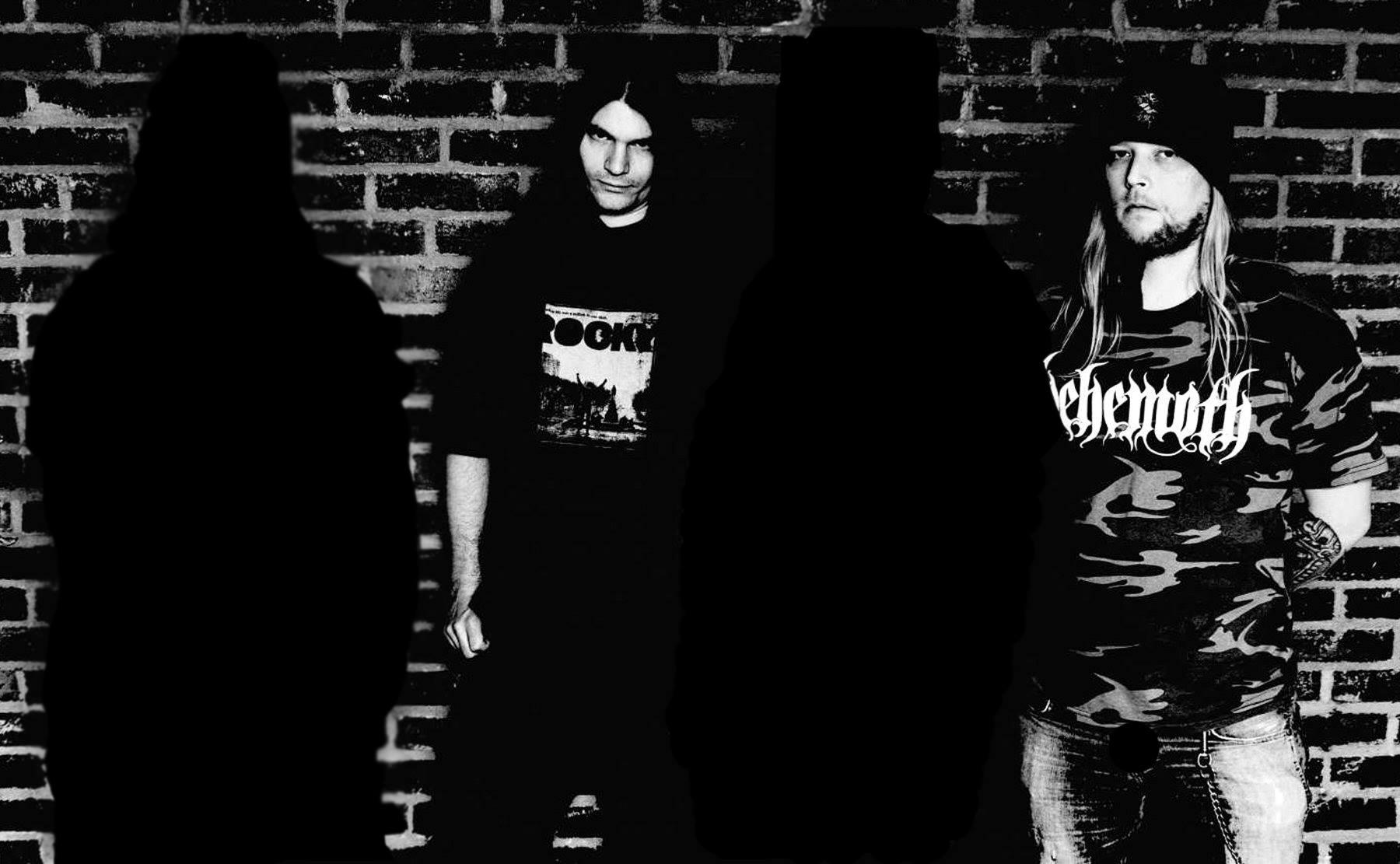
Darkane’s Spotify BioDarkane was formed in Helsingborg, Sweden in 1998 with the mission to combine death and thrash metal with a big dose of both melody and technicality. The formation was quick, and a record deal was signed just as quickly. They found their singer in Uppsala, a city just north of the nation's capital, the same city where they would be recording their 1999 debut album “Rusted Angel” with producer Daniel Bergstrand. Darkane’s line-up was now complete: Lawrence Mackrory, Christopher Malmström, Klas Ideberg, Jörgen Löfberg, and Peter Wildoer.
The debut received praise throughout the metal scene with top reviews, many calling the band pioneers in the way they combined styles and elements. Not long after the album’s release Mackrory had to step away from the band due to scheduling conflicts and Darkane released four more albums with vocalists Andreas Sydow and Jens Broman during the 2000’s before Mackrory rejoining in 2011, thus reuniting the original line-up and releasing their 6th album “The… Sinister Supremacy” in 2013.
The year is now 2022 and Darkane is finally back with their new album “Inhuman Spirits''. An album that both cements and expands the Darkane sound into new territories. From the thrashy and epic introduction of the title track to the heaviness and grinding power of the song “Awakening”, this album has enough flavours to satisfy anyone’s metal palette. With “Inhuman Spirits” Darkane is standing proud and solidifying their place in the metal scene.
Viberate is a music analytics platform built for A&Rs, artist managers, labels, booking agents, marketers, and artists.
It helps music professionals track artist growth, analyze audience data, monitor playlist activity, compare artists, follow song performance, and identify opportunities across the music market.
Public artist pages provide a free preview of selected artist data. Paid plans provide access to deeper analytics, historical data, charts, comparisons, playlist tools, exports, alerts, reports, and additional professional features.
Yes. Public Viberate artist pages provide selected artist analytics and music data for free.
Viberate also offers a 7-day free trial of the full platform. A credit card is required to start the trial. The trial includes access to the complete product so users can test deeper artist analytics, historical views, playlist insights, comparisons, charts, exports, alerts, and reporting features before choosing a paid plan.
Viberate provides artist analytics across streaming, playlists, social media, video, radio airplay, songs, and audience markets.
Users can analyze Spotify performance, Spotify and Apple Music playlists, YouTube activity, TikTok and Instagram growth, radio spins, song performance, audience locations, demographics, rankings, and overall artist momentum.
Artist profiles also connect to music charts, similar artists, and comparison tools, helping users benchmark performance and evaluate artists in context.
Viberate updates key artist and track data daily.
For followed artists and tracks, selected data is refreshed multiple times per day. This helps teams monitor playlist changes, streaming movement, audience growth, releases, and campaign performance with more current data.
Update frequency can vary depending on the metric and data source.
Yes. Viberate lets users compare up to five artists side by side across streaming, social media, audience, and engagement metrics.
Users can compare fanbase growth, audience demographics, locations, Spotify performance, social metrics, and other artist data over selected time periods.
Artist comparison can be used for A&R scouting, benchmarking, booking decisions, campaign planning, and evaluating artists with similar audiences or market positions.