Carnal Forge

Metal
Death Metal
Thrash Metal
 Viberate Rank: 244705
 Viberate Rank: 244705
 Monthly ListenersFollowers
 Subscribers
 Followers
 Followers
 FansTop Spotify Songs
| Track | 7-Day Streams | |
|---|---|---|
1 | 209 | |
2 | 123 | |
3 | 118 | |
4 | 104 | |
5 | 82 |
Top YouTube VideosMonthly ListenersFeatured in Playlists| Playlist | Followers | |
|---|---|---|
1 |  Melodic Death Metal Essentials Lauri Helenius | 14.99K |
2 |  Metal of the 90's TK Nagurufa | 9.46K |
3 | 🦴Melodic Metalcore🦴 Jan Tore Hylland | 7.62K |
4 | Death Metal Mix 2025 Robin Hassel | 7.44K |
5 | Thrash Metal Up Your Ass Germonio | 6.86K |
Audience| City | Monthly Listeners | |
|---|---|---|
1 | | 54 |
2 |  | 36 |
3 | | 34 |
4 |  | 27 |
5 |  | 21 |
See full performance history, audience data, playlist activity, rankings, comparisons, and more in Viberate music analytics. Start with a free trial, then continue with a paid plan.
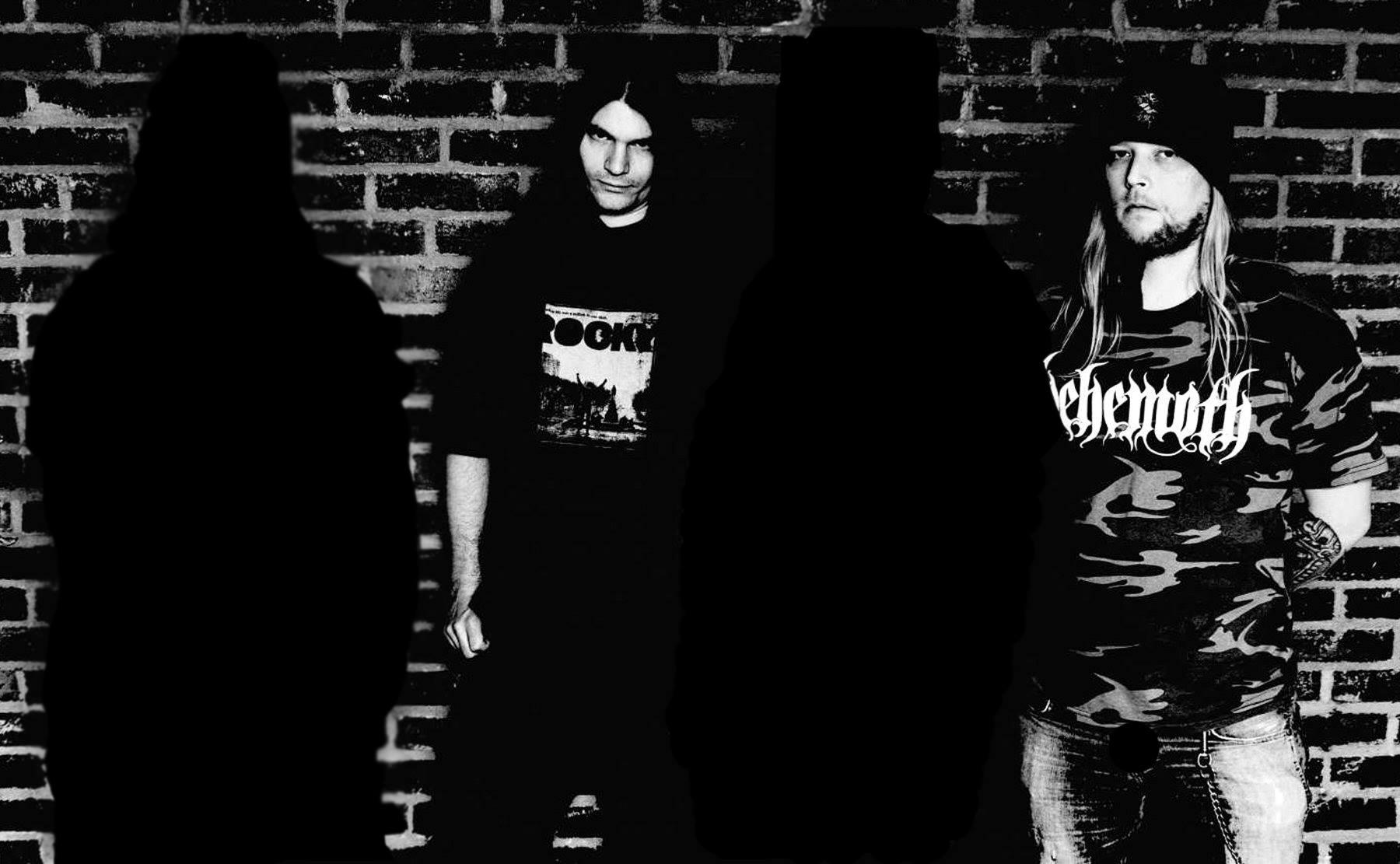
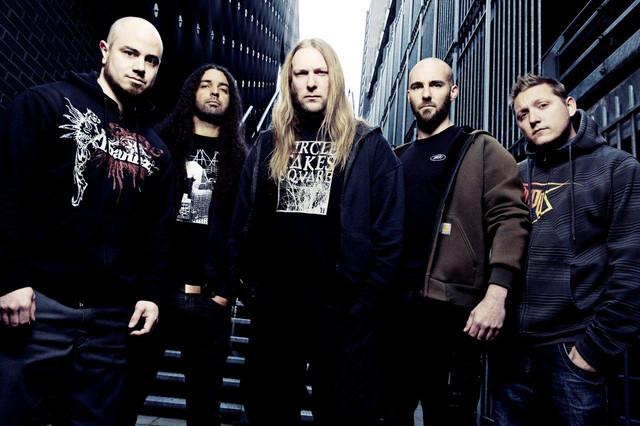
Carnal Forge’s Spotify BioCarnal Forge, while aligned with Sweden's fertile death metal scene, actually harks back more to classic thrash and speed metal, particularly Slayer (as well as the melodic sensibilities of countrymen At the Gates). Formed in September 1997, the band featured vocalist Jonas Kjellgren (ex-Dellamorte and Centinex), guitarists Jari Kuusisto and Johan Magnusson, bassist Dennis Vestman, and drummer Stefan Westerberg; Westerberg and Kuusisto had previously performed together as part of In Thy Dreams. Carnal Forge's debut album, Who's Gonna Burn, was released in 1998 (by Relapse in America and War in Europe); the band signed a worldwide deal with Century Media soon after. Their second album, Firedemon, appeared in 2000, with Kuusisto's brother Petri having replaced Vestman. New singer Jens C. Mortensen joined Carnal Forge in late 2004 and made his first recorded appearance with the band on 2007's Testify for My Victims. ~ Steve Huey, Rovi
Viberate is a music analytics platform built for A&Rs, artist managers, labels, booking agents, marketers, and artists.
It helps music professionals track artist growth, analyze audience data, monitor playlist activity, compare artists, follow song performance, and identify opportunities across the music market.
Public artist pages provide a free preview of selected artist data. Paid plans provide access to deeper analytics, historical data, charts, comparisons, playlist tools, exports, alerts, reports, and additional professional features.
Yes. Public Viberate artist pages provide selected artist analytics and music data for free.
Viberate also offers a 7-day free trial of the full platform. A credit card is required to start the trial. The trial includes access to the complete product so users can test deeper artist analytics, historical views, playlist insights, comparisons, charts, exports, alerts, and reporting features before choosing a paid plan.
Viberate provides artist analytics across streaming, playlists, social media, video, radio airplay, songs, and audience markets.
Users can analyze Spotify performance, Spotify and Apple Music playlists, YouTube activity, TikTok and Instagram growth, radio spins, song performance, audience locations, demographics, rankings, and overall artist momentum.
Artist profiles also connect to music charts, similar artists, and comparison tools, helping users benchmark performance and evaluate artists in context.
Viberate updates key artist and track data daily.
For followed artists and tracks, selected data is refreshed multiple times per day. This helps teams monitor playlist changes, streaming movement, audience growth, releases, and campaign performance with more current data.
Update frequency can vary depending on the metric and data source.
Yes. Viberate lets users compare up to five artists side by side across streaming, social media, audience, and engagement metrics.
Users can compare fanbase growth, audience demographics, locations, Spotify performance, social metrics, and other artist data over selected time periods.
Artist comparison can be used for A&R scouting, benchmarking, booking decisions, campaign planning, and evaluating artists with similar audiences or market positions.