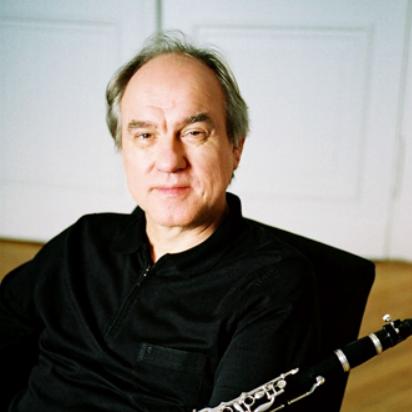
Daniel Sepec

Classical
Classical Crossover
Chamber Music
 Viberate Rank: 210652
 Viberate Rank: 210652
 Monthly ListenersFollowers
 Subscribers
 Followers
 Followers
 FansTop Spotify Songs
| Track | 7-Day Streams | |
|---|---|---|
1 | 966 | |
2 | 244 | |
3 | 141 | |
4 | 68 | |
5 | 59 |
Top YouTube VideosMonthly ListenersFeatured in Playlists| Playlist | Followers | |
|---|---|---|
1 |  Mozart - Best of Deutsche Grammophon (DG) | 166.90K |
2 |  Cello Dark Cello ALUGOSI | 22.45K |
3 |  Sad,very sad, classical music Peer Wijntjes | 12.85K |
4 |  Beautiful calm classical music Paula Wijker | 9.88K |
5 |  Classical Relaxation Deutsche Grammophon (DG) | 2.17K |
Audience| City | Monthly Listeners | |
|---|---|---|
1 |  | 312 |
2 |  | 201 |
3 |  | 189 |
4 |  | 152 |
5 |  | 150 |
See full performance history, audience data, playlist activity, rankings, comparisons, and more in Viberate music analytics. Start with a free trial, then continue with a paid plan.
Daniel Sepec’s Spotify BioDaniel Sepec, born in 1965 in Frankfurt am Main, began his violin studies with his father and Karl-Albrecht Hermann, later studying with Dieter Vorholz in Frankfurt and Gerhard Schulz in Vienna. Since 1993, he has been concertmaster of the Deutsche Kammerphilharmonie Bremen, also performing as a soloist. His interest in Baroque music led him to focus on the Baroque violin. Sepec is concertmaster of the Balthasar Neumann Ensemble and co-founded the ensemble Il Rosario 20 years ago. Their 2009 recording of Biber’s Rosary Sonatas won the Deutsche Schallplattenkritik Award, and their latest album also received this honor.
He has performed as a soloist with the Academy of Ancient Music, Wiener Akademie, and Orchestre des Champs-Elysées. In 2002, he formed the Arcanto Quartet with Antje Weithaas, Tabea Zimmermann, and Jean-Guihen Queyras, which performed widely until 2016. The quartet recorded works by Bartók, Brahms, Debussy, Ravel, Dutilleux, Mozart, and Schubert.
For his recording of… Beethoven’s Sonatas with Andreas Staier, Sepec played the violin once owned by Beethoven, generously lent by the Beethoven House in Bonn. From 2010 to 2014, he taught at the Basel Academy of Music and has been a professor at the University of Music Lübeck since 2014. In recent years, he has also explored fiddling, improvisation, and organized concerts blending Baroque, progressive rock, and songwriting.
Viberate is a music analytics platform built for A&Rs, artist managers, labels, booking agents, marketers, and artists.
It helps music professionals track artist growth, analyze audience data, monitor playlist activity, compare artists, follow song performance, and identify opportunities across the music market.
Public artist pages provide a free preview of selected artist data. Paid plans provide access to deeper analytics, historical data, charts, comparisons, playlist tools, exports, alerts, reports, and additional professional features.
Yes. Public Viberate artist pages provide selected artist analytics and music data for free.
Viberate also offers a 7-day free trial of the full platform. A credit card is required to start the trial. The trial includes access to the complete product so users can test deeper artist analytics, historical views, playlist insights, comparisons, charts, exports, alerts, and reporting features before choosing a paid plan.
Viberate provides artist analytics across streaming, playlists, social media, video, radio airplay, songs, and audience markets.
Users can analyze Spotify performance, Spotify and Apple Music playlists, YouTube activity, TikTok and Instagram growth, radio spins, song performance, audience locations, demographics, rankings, and overall artist momentum.
Artist profiles also connect to music charts, similar artists, and comparison tools, helping users benchmark performance and evaluate artists in context.
Viberate updates key artist and track data daily.
For followed artists and tracks, selected data is refreshed multiple times per day. This helps teams monitor playlist changes, streaming movement, audience growth, releases, and campaign performance with more current data.
Update frequency can vary depending on the metric and data source.
Yes. Viberate lets users compare up to five artists side by side across streaming, social media, audience, and engagement metrics.
Users can compare fanbase growth, audience demographics, locations, Spotify performance, social metrics, and other artist data over selected time periods.
Artist comparison can be used for A&R scouting, benchmarking, booking decisions, campaign planning, and evaluating artists with similar audiences or market positions.