Dance Hall Crashers

Punk
Pop Punk
Ska Punk
 Viberate Rank: 78793
 Viberate Rank: 78793
 Monthly ListenersFollowers
 Subscribers
 Followers
 Followers
 FansTop Spotify Songs
| Track | 7-Day Streams | |
|---|---|---|
1 | 19.38K | |
2 | 4.50K | |
3 | 3.63K | |
4 | 3.45K | |
5 | 2.37K |
Top YouTube VideosMonthly ListenersFeatured in Playlists| Playlist | Followers | |
|---|---|---|
1 |  The Essential Ska Spotify | 415.26K |
2 | SKA Kevin McLaughlin | 111.43K |
3 |  Best of SKA PUNK SKA PUNK DAILY | 34.83K |
4 |  Ska Punk Essentials Kousa_cs | 33.50K |
5 |  Best Ska - 90s hits Greg Patch | 30.88K |
Audience| City | Monthly Listeners | |
|---|---|---|
1 | | 1.40K |
2 | | 925 |
3 |  | 899 |
4 |  | 754 |
5 | | 726 |
See full performance history, audience data, playlist activity, rankings, comparisons, and more in Viberate music analytics. Start with a free trial, then continue with a paid plan.
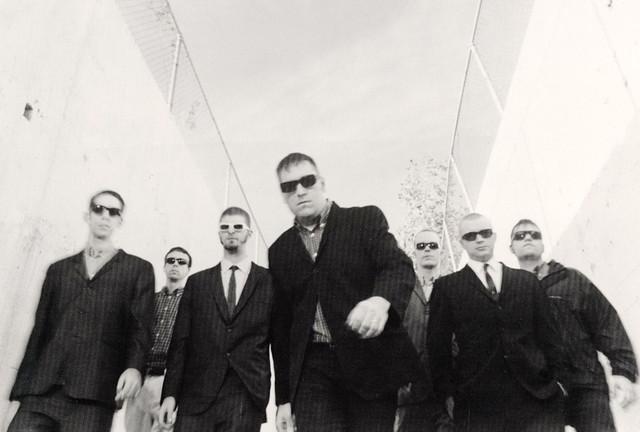
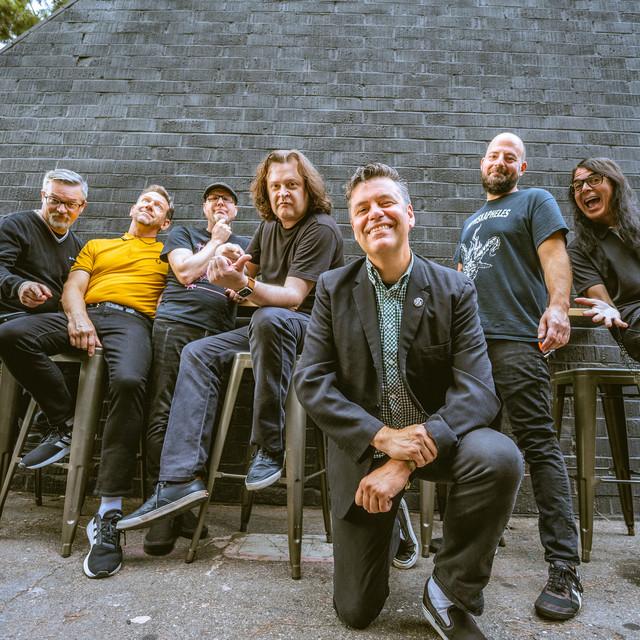
Dance Hall Crashers’ Spotify BioAn outgrowth of the legendary Operation Ivy, the Berkeley, Caifornia-based ska-punk outfit Dance Hall Crashers was briefly led by Tim Armstrong and Matt Freeman, Op Ivy alumni who later reunited in Rancid. Both left within weeks of the Crashers' 1989 formation, but the group continued on, now led by vocalist Elyse Rogers and guitarist Jason Hammon; a series of other lineup changes followed, most notably the addition of second vocalist Karina Denike joining in 1990. Dance Hall Crashers disbanded soon after, bowing to pressure from fans to play a reunion gig in 1992; the response to their performance was so positive that they immediately reformed on a permanent basis, settling on a lineup of Rogers and Denike on vocals, Hammon on guitar, his brother Gavin on drums, guitarist Scott Goodell and bassist Mikey Weiss. The very first group signed to MCA's new 510 division, they issued their debut LP Lockjaw in 1995. A compilation of early singles, The Old Record, followed in 1996 before they… resurfaced a year later with their second studio album, Honey I'm Homely. A steady stream of releases followed, including 1998's Blue Plate Special EP, the 1999 studio effort Purr, and 2000's The Live Record: Witless Banter and 25 Mildly Antagonistic Songs About Love. ~ Jason Ankeny, Rovi
Viberate is a music analytics platform built for A&Rs, artist managers, labels, booking agents, marketers, and artists.
It helps music professionals track artist growth, analyze audience data, monitor playlist activity, compare artists, follow song performance, and identify opportunities across the music market.
Public artist pages provide a free preview of selected artist data. Paid plans provide access to deeper analytics, historical data, charts, comparisons, playlist tools, exports, alerts, reports, and additional professional features.
Yes. Public Viberate artist pages provide selected artist analytics and music data for free.
Viberate also offers a 7-day free trial of the full platform. A credit card is required to start the trial. The trial includes access to the complete product so users can test deeper artist analytics, historical views, playlist insights, comparisons, charts, exports, alerts, and reporting features before choosing a paid plan.
Viberate provides artist analytics across streaming, playlists, social media, video, radio airplay, songs, and audience markets.
Users can analyze Spotify performance, Spotify and Apple Music playlists, YouTube activity, TikTok and Instagram growth, radio spins, song performance, audience locations, demographics, rankings, and overall artist momentum.
Artist profiles also connect to music charts, similar artists, and comparison tools, helping users benchmark performance and evaluate artists in context.
Viberate updates key artist and track data daily.
For followed artists and tracks, selected data is refreshed multiple times per day. This helps teams monitor playlist changes, streaming movement, audience growth, releases, and campaign performance with more current data.
Update frequency can vary depending on the metric and data source.
Yes. Viberate lets users compare up to five artists side by side across streaming, social media, audience, and engagement metrics.
Users can compare fanbase growth, audience demographics, locations, Spotify performance, social metrics, and other artist data over selected time periods.
Artist comparison can be used for A&R scouting, benchmarking, booking decisions, campaign planning, and evaluating artists with similar audiences or market positions.