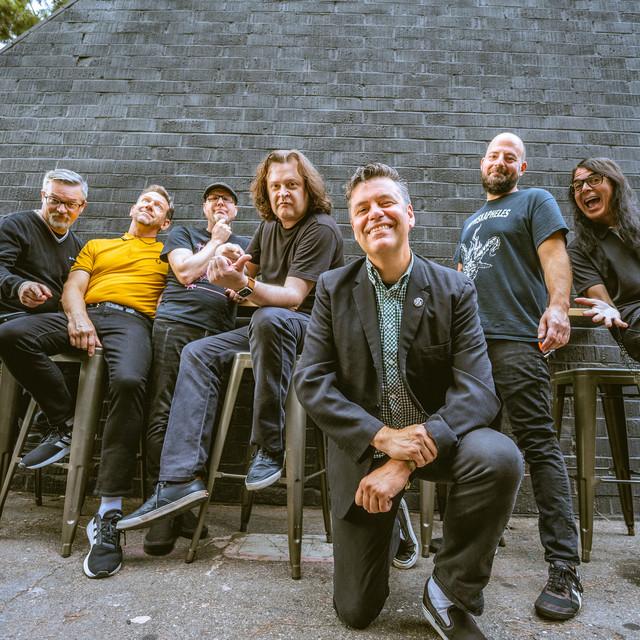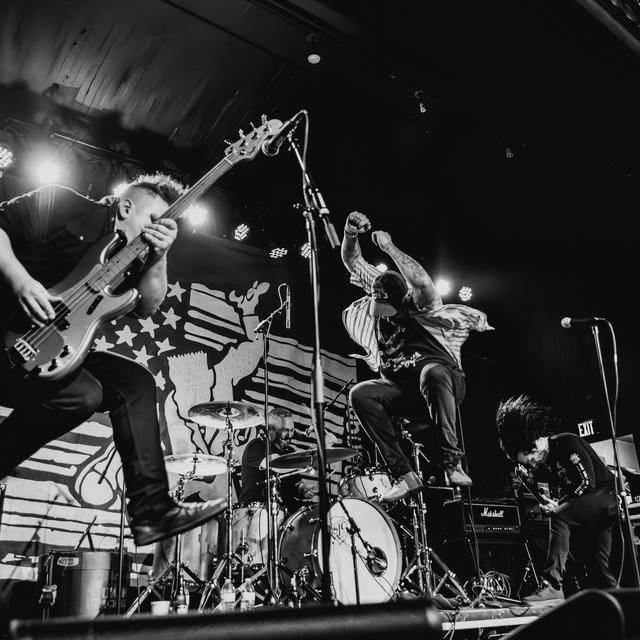
Catch 22

Punk
Ska Punk
Ska
 Viberate Rank: 80599
 Viberate Rank: 80599
 Monthly ListenersFollowers
 Subscribers
 Followers
 Followers
 FansTop Spotify Songs
| Track | 7-Day Streams | |
|---|---|---|
1 | 61.99K | |
2 | 32.93K | |
3 | 19.40K | |
4 | 14.71K | |
5 | 11.38K |
Top YouTube Videos| Video | 7-Day Views | |
|---|---|---|
1 | 642 | |
2 | 436 | |
3 | 183 | |
4 | 168 | |
5 | 67 |
Monthly ListenersFeatured in Playlists| Playlist | Followers | |
|---|---|---|
1 | SKA Kevin McLaughlin | 111.43K |
2 |  Best of SKA PUNK SKA PUNK DAILY | 34.83K |
3 |  Ska Punk Essentials Kousa_cs | 33.50K |
4 |  Best Ska - 90s hits Greg Patch | 30.88K |
5 |  100 Best Punk Covers David Medina | 26.99K |
Audience| City | Monthly Listeners | |
|---|---|---|
1 | | 2.51K |
2 | | 2.27K |
3 |  | 2.27K |
4 | | 1.84K |
5 | | 1.81K |
See full performance history, audience data, playlist activity, rankings, comparisons, and more in Viberate music analytics. Start with a free trial, then continue with a paid plan.
Catch 22’s Spotify BioNew Jersey ska-punk combo Catch 22 were formed in the autumn of 1996 by singer/guitarist Tomas Kalnoky, trumpeter Kevin Gunther, and drummer Chris Greer. Recruiting bassist Pat Calpin, trombonist Jamie Egan, and saxophonist Ryan Eldred, the group spent the next two years touring relentlessly, selling out all 2,000 copies of its self-released demo, Rules of the Game. Signing to Victory Records in late 1997, Catch 22 issued Keasbey Nights the following year, quickly becoming one of the best-selling bands in the label's history. The grind of touring ultimately became too much for Kalnoky, however, and upon his exit from the roster (he would later go on to front ska-punks Streetlight Manifesto), the remaining members of Catch 22 tapped new frontman Jeff Davidson; with Calpin then assuming guitar duties, new bassist Pat Kays was brought aboard for the 1999 EP Washed Up! Alone in a Crowd followed a year later. Davidson departed the band in March 2001, and Catch 22 were still looking for a… replacement when November's Washed Up and Through the Ringer was released. The album was a sort of compilation; it contained the Washed Up! EP and some rare tracks, along with several live cuts and two new songs that found Gunther and Eldred sharing vocals. This vocal dynamic continued for 2003's Dinosaur Sounds, an album met with mixed fan response. Catch 22 Live appeared in October 2004; an accompanying DVD included bonus features and live footage shot the previous August at the Downtown in Farmingdale, NY. The band continued touring, including a stops at 2006's Bamboozle and Warped Tour festivals. Catch 22's next full-length was a concept album that followed the life of Bolshevik revolutionary Leon Trotsky, entitled Permanent Revolution. It was issued in June 2006; the band later headlined a nationwide tour with Voodoo Glow Skulls, Big D & the Kids Table, Suburban Legends, and more in tow. ~ Jason Ankeny, Rovi
Viberate is a music analytics platform built for A&Rs, artist managers, labels, booking agents, marketers, and artists.
It helps music professionals track artist growth, analyze audience data, monitor playlist activity, compare artists, follow song performance, and identify opportunities across the music market.
Public artist pages provide a free preview of selected artist data. Paid plans provide access to deeper analytics, historical data, charts, comparisons, playlist tools, exports, alerts, reports, and additional professional features.
Yes. Public Viberate artist pages provide selected artist analytics and music data for free.
Viberate also offers a 7-day free trial of the full platform. A credit card is required to start the trial. The trial includes access to the complete product so users can test deeper artist analytics, historical views, playlist insights, comparisons, charts, exports, alerts, and reporting features before choosing a paid plan.
Viberate provides artist analytics across streaming, playlists, social media, video, radio airplay, songs, and audience markets.
Users can analyze Spotify performance, Spotify and Apple Music playlists, YouTube activity, TikTok and Instagram growth, radio spins, song performance, audience locations, demographics, rankings, and overall artist momentum.
Artist profiles also connect to music charts, similar artists, and comparison tools, helping users benchmark performance and evaluate artists in context.
Viberate updates key artist and track data daily.
For followed artists and tracks, selected data is refreshed multiple times per day. This helps teams monitor playlist changes, streaming movement, audience growth, releases, and campaign performance with more current data.
Update frequency can vary depending on the metric and data source.
Yes. Viberate lets users compare up to five artists side by side across streaming, social media, audience, and engagement metrics.
Users can compare fanbase growth, audience demographics, locations, Spotify performance, social metrics, and other artist data over selected time periods.
Artist comparison can be used for A&R scouting, benchmarking, booking decisions, campaign planning, and evaluating artists with similar audiences or market positions.