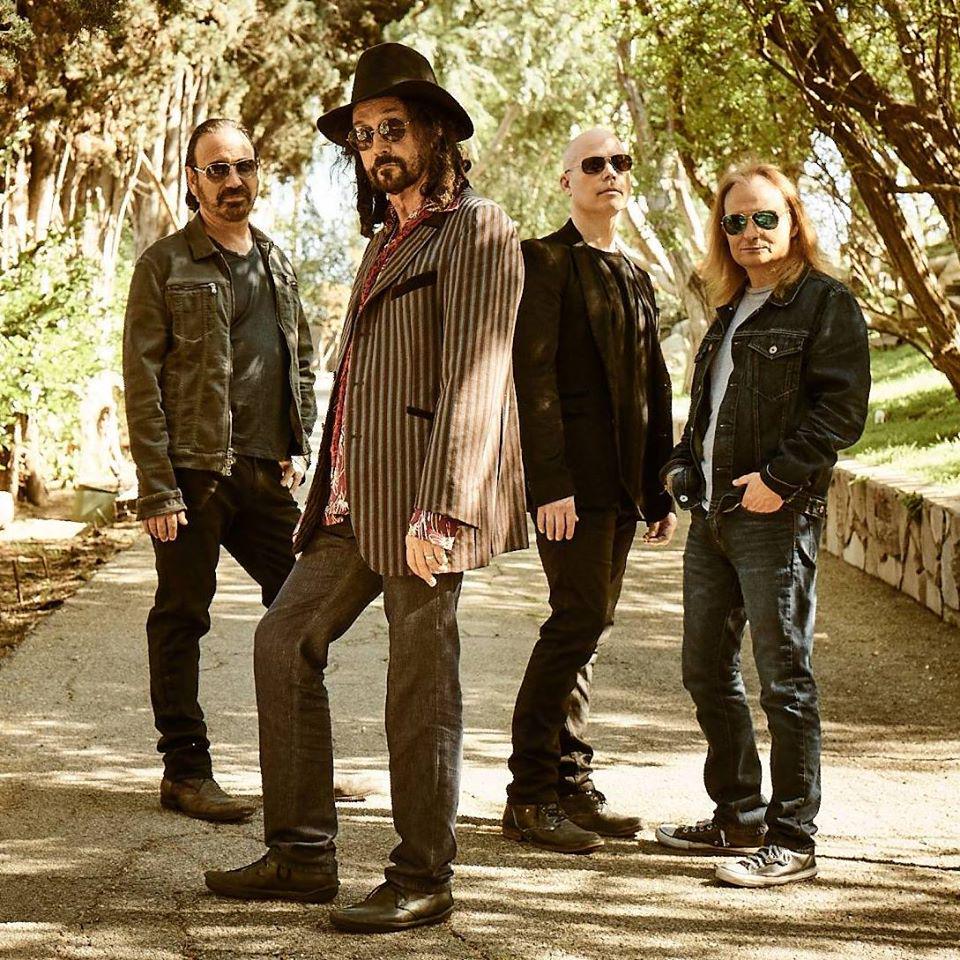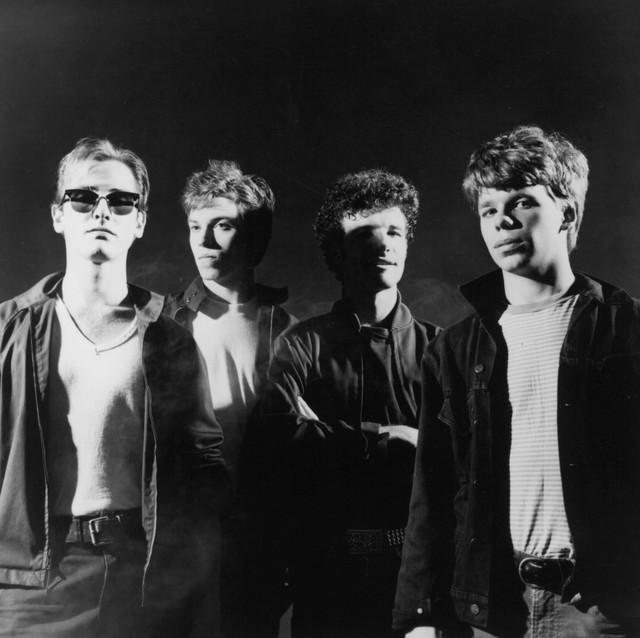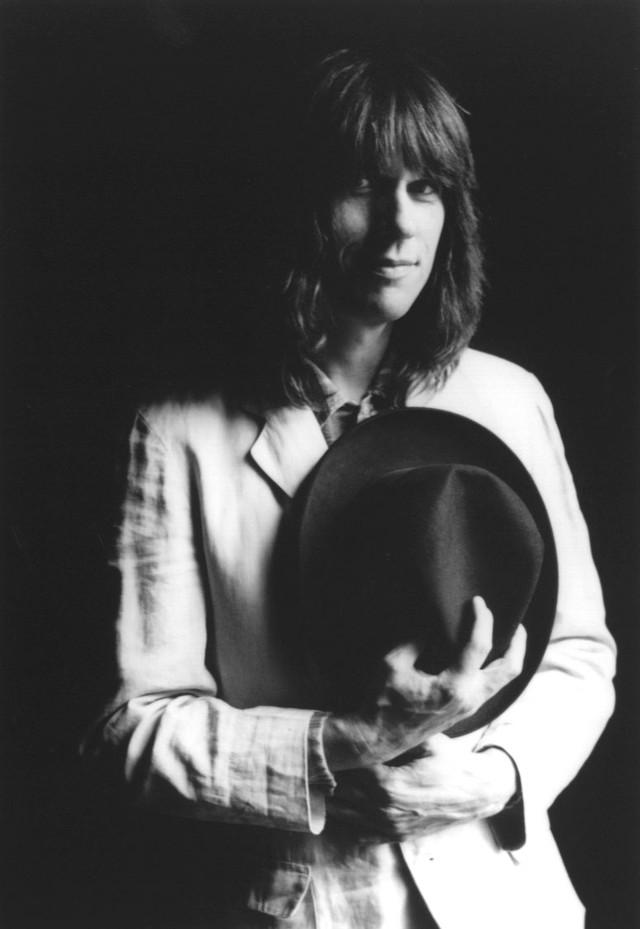
Dan Baird

Rock
Progressive Rock
Alternative Rock
 Viberate Rank: 220498
 Viberate Rank: 220498
 Monthly ListenersFollowers
 Subscribers
 Followers
 Followers
 FansTop Spotify Songs
| Track | 7-Day Streams | |
|---|---|---|
1 | 2.17K | |
2 | 221 | |
3 | 192 | |
4 | 160 | |
5 | 101 |
Top YouTube VideosMonthly ListenersFeatured in Playlists| Playlist | Followers | |
|---|---|---|
1 |  Good Morning Rock Thomas Poddey | 7.62K |
2 |  Stories Through Song: Music That Inspired LAVA Disney•Pixar | 4.63K |
3 | 90s Massive Playlist Billy Rush | 4.11K |
4 | Rick Rubin Producer jeroenvanseeters | 4.01K |
5 |  Surgery Music Jynyphr Elizabeth'chia | 2.49K |
Audience| City | Monthly Listeners | |
|---|---|---|
1 |  | 112 |
2 | | 105 |
3 | | 99 |
4 |  | 77 |
5 | | 71 |
See full performance history, audience data, playlist activity, rankings, comparisons, and more in Viberate music analytics. Start with a free trial, then continue with a paid plan.
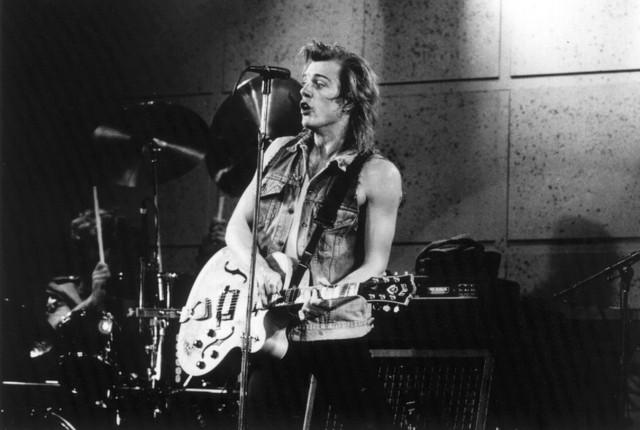
Dan Baird’s Spotify BioDan Baird first rose to fame in the '80s as the frontman with rootsy boogie rock revivalists the Georgia Satellites and went on to a lively solo career playing heartfelt and energetic Southern-accented rock & roll.
Born on December 12, 1953, in San Diego, California but raised in Atlanta, Georgia, Baird picked up the guitar early on and began playing with local bands during his teenage years. By December of 1980, Baird had formed the Georgia Satellites (which would eventually consist of Baird and Rick Richards on vocals/guitar, Rick Price on bass, and Mauro Magellan on drums). The quartet quickly found their musical niche as a bar band version of such classic three-chord rockers as AC/DC, the Faces, and the Rolling Stones, but with a Dixie-fried undertow. In 1985, they issued their debut recording, an independently issued six-song EP titled Keep the Faith.
The mini-album helped land the Satellites a recording contract with Elektra, which led to the release of their full-length,… self-titled major-label debut a year later. It took a while for the album to pick up steam, but it became a surprise platinum-certified hit by the summer of 1987, due to the number five hit single "Keep Your Hands to Yourself," and another popular single/video, "Battleship Chains." Baird and the Satellites issued two more releases during the late '80s, 1988's Open All Night and 1989's In the Land of Salvation and Sin, but neither matched the success of their self-titled debut, and led to the group's split by the dawn of the '90s.
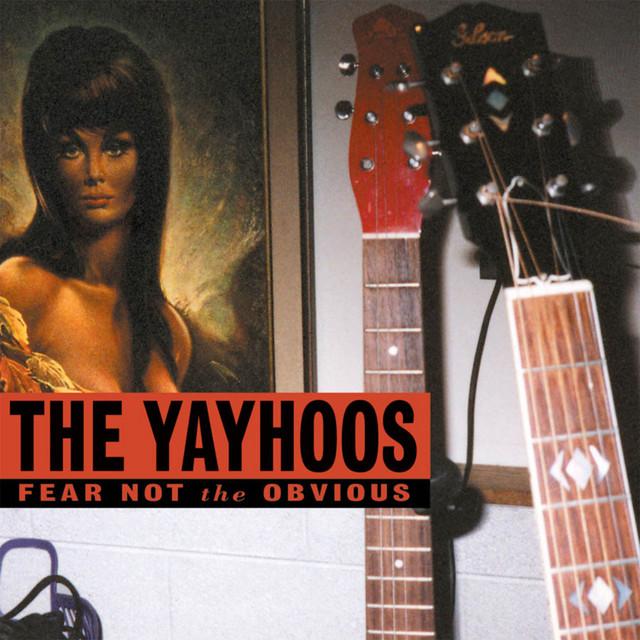
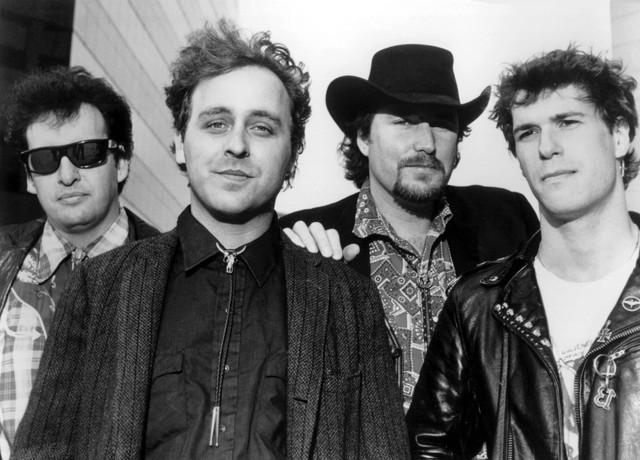
It didn't take long for Baird to regain his footing and begin a solo career, as evidenced by 1991's Love Songs for the Hearing Impaired (issued on Rick Rubin's Def American label). The album appeared to put Baird back on the right track commercially, spawning a popular single/video with "I Love You Period." But a long break ensued before the appearance of his sophomore solo effort, 1996's Buffalo Nickel, which sunk from sight shortly after release due to poor promotion. (The same year, the Georgia Satellites re-formed, but without Baird). Baird set his sights on producing and/or guesting on other artist's recordings, including Fred Haring's This Grand Parade, Will Hoge's Carousel, and Chris Knight's Pretty Good Guy. Baird also began recording and touring with his group the Yayhoos, who came together in the midst of the unsuccessful Buffalo Nickel tour. Featuring Baird, Eric Ambel, Terry Anderson, and Keith Christopher, the group released two albums: 2001's Fear Not the Obvious and 2006's Put the Hammer Down. In 2001, Baird and his short-lived combo the Sofa Kings released the album Redneck Savant, while Out of Mothballs, a collection of outtakes and rarities, appeared early in 2003.
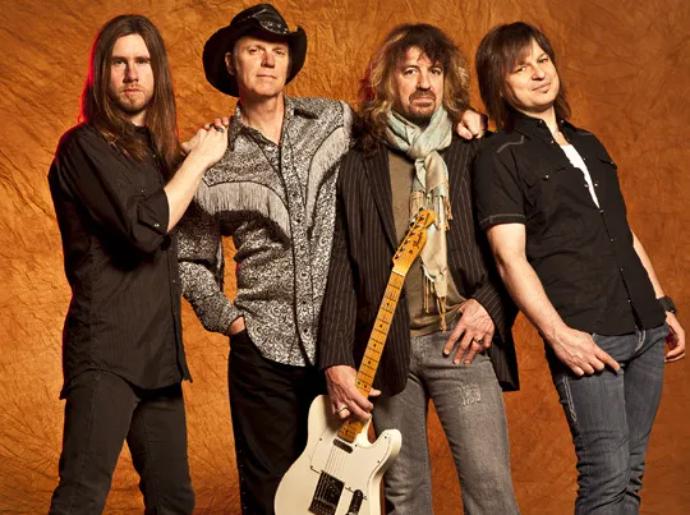
In 2005, Baird unveiled his new band, Dan Baird & Homemade Sin, with the album Feels So Good, released on his own Jerkin' Crocus label. A live album followed by the end of the year, and Baird and his group released a steady stream of product, including the studio albums Dan Baird & Homemade Sin (2008), Circus Life (2013), and Get Loud (2015), as well as a number of live albums, mostly from dates in Sweden and the U.K., where Baird and Homemade Sin had developed a loyal following. Baird also launched another side project in 2013 with the debut of the Bluefields, which also featured Warner Hodges of Jason and the Scorchers, Joe Blanton of the Royal Court of China, and Brad Pemberton of Iodine and the Cardinals. In early 2017, Baird released SoLow, a solo release in which he handled all vocals and instruments himself. ~ Greg Prato & Mark Deming, Rovi
Viberate is a music analytics platform built for A&Rs, artist managers, labels, booking agents, marketers, and artists.
It helps music professionals track artist growth, analyze audience data, monitor playlist activity, compare artists, follow song performance, and identify opportunities across the music market.
Public artist pages provide a free preview of selected artist data. Paid plans provide access to deeper analytics, historical data, charts, comparisons, playlist tools, exports, alerts, reports, and additional professional features.
Yes. Public Viberate artist pages provide selected artist analytics and music data for free.
Viberate also offers a 7-day free trial of the full platform. A credit card is required to start the trial. The trial includes access to the complete product so users can test deeper artist analytics, historical views, playlist insights, comparisons, charts, exports, alerts, and reporting features before choosing a paid plan.
Viberate provides artist analytics across streaming, playlists, social media, video, radio airplay, songs, and audience markets.
Users can analyze Spotify performance, Spotify and Apple Music playlists, YouTube activity, TikTok and Instagram growth, radio spins, song performance, audience locations, demographics, rankings, and overall artist momentum.
Artist profiles also connect to music charts, similar artists, and comparison tools, helping users benchmark performance and evaluate artists in context.
Viberate updates key artist and track data daily.
For followed artists and tracks, selected data is refreshed multiple times per day. This helps teams monitor playlist changes, streaming movement, audience growth, releases, and campaign performance with more current data.
Update frequency can vary depending on the metric and data source.
Yes. Viberate lets users compare up to five artists side by side across streaming, social media, audience, and engagement metrics.
Users can compare fanbase growth, audience demographics, locations, Spotify performance, social metrics, and other artist data over selected time periods.
Artist comparison can be used for A&R scouting, benchmarking, booking decisions, campaign planning, and evaluating artists with similar audiences or market positions.