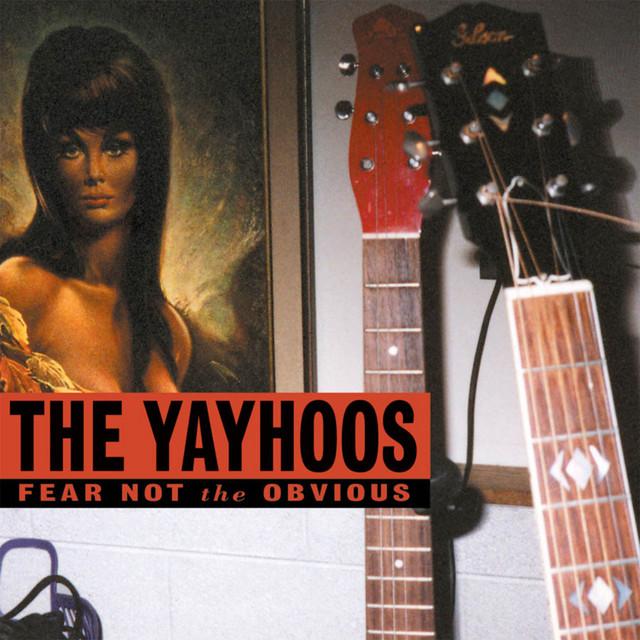
The Yayhoos

Blues
Blues Rock
Americana/Alt Country
 Viberate Rank: 352179
 Viberate Rank: 352179
 Monthly ListenersFollowers
 Subscribers
 Followers
 Followers
 FansTop Spotify Songs
| Track | 7-Day Streams | |
|---|---|---|
1 | 1.50K | |
2 | 243 | |
3 | 234 | |
4 | 73 | |
5 | 62 |
Top YouTube VideosMonthly ListenersFeatured in Playlists| Playlist | Followers | |
|---|---|---|
1 |  Theme Time Radio Hour Carraway | 4.59K |
2 |  History of Power Pop Luthercal | 2.00K |
3 | Best Cover Songs in one Playlist Felix Meirich | 1.26K |
4 |  spare the rock, spoil the child owmybrain | 1.15K |
5 |  Anor Songdo Thomas Marsola | 1.14K |
Audience| City | Monthly Listeners | |
|---|---|---|
1 | | 113 |
2 |  | 78 |
3 |  | 65 |
4 | | 60 |
5 | | 59 |
See full performance history, audience data, playlist activity, rankings, comparisons, and more in Viberate music analytics. Start with a free trial, then continue with a paid plan.
The Yayhoos’ Spotify BioMade up of three singer/songwriters -- Dan Baird (Georgia Satellites), Eric Ambel (the Del Lords, Eric Ambel & Roscoe's Gang), Terry Anderson (Woods), and one secret weapon, Keith Christopher (Billy Joe Shaver) -- the Yayhoos set out to take over the world in 1995. Unfortunately, it didn't quite work out that way. After a brief Southern tour with Drivin' N' Cryin' on which the band played a greatest-hits set, the boys wrote a batch of swaggering rock songs to shop around. In 1996, they toured Europe and the U.S. in support of Baird's Buffalo Nickel, and several compilation tracks followed ("California" on East Side Story, "Highway Junkie" on Rig Rock Deluxe, and "Tumblin' Dice" with Johnny Copeland on Paint It Blue: Songs of the Rolling Stones). The major labels' response was that three singers (they had four, actually) in one band was too many; also, grown men with facial hair who play rock & roll are not exactly MTV fare. The Yayhoos released Fear Not the Obvious in 2001. Five years… later they released Put the Hammer Down and continued to tour. ~ Geoff Ginsberg, Rovi
Viberate is a music analytics platform built for A&Rs, artist managers, labels, booking agents, marketers, and artists.
It helps music professionals track artist growth, analyze audience data, monitor playlist activity, compare artists, follow song performance, and identify opportunities across the music market.
Public artist pages provide a free preview of selected artist data. Paid plans provide access to deeper analytics, historical data, charts, comparisons, playlist tools, exports, alerts, reports, and additional professional features.
Yes. Public Viberate artist pages provide selected artist analytics and music data for free.
Viberate also offers a 7-day free trial of the full platform. A credit card is required to start the trial. The trial includes access to the complete product so users can test deeper artist analytics, historical views, playlist insights, comparisons, charts, exports, alerts, and reporting features before choosing a paid plan.
Viberate provides artist analytics across streaming, playlists, social media, video, radio airplay, songs, and audience markets.
Users can analyze Spotify performance, Spotify and Apple Music playlists, YouTube activity, TikTok and Instagram growth, radio spins, song performance, audience locations, demographics, rankings, and overall artist momentum.
Artist profiles also connect to music charts, similar artists, and comparison tools, helping users benchmark performance and evaluate artists in context.
Viberate updates key artist and track data daily.
For followed artists and tracks, selected data is refreshed multiple times per day. This helps teams monitor playlist changes, streaming movement, audience growth, releases, and campaign performance with more current data.
Update frequency can vary depending on the metric and data source.
Yes. Viberate lets users compare up to five artists side by side across streaming, social media, audience, and engagement metrics.
Users can compare fanbase growth, audience demographics, locations, Spotify performance, social metrics, and other artist data over selected time periods.
Artist comparison can be used for A&R scouting, benchmarking, booking decisions, campaign planning, and evaluating artists with similar audiences or market positions.