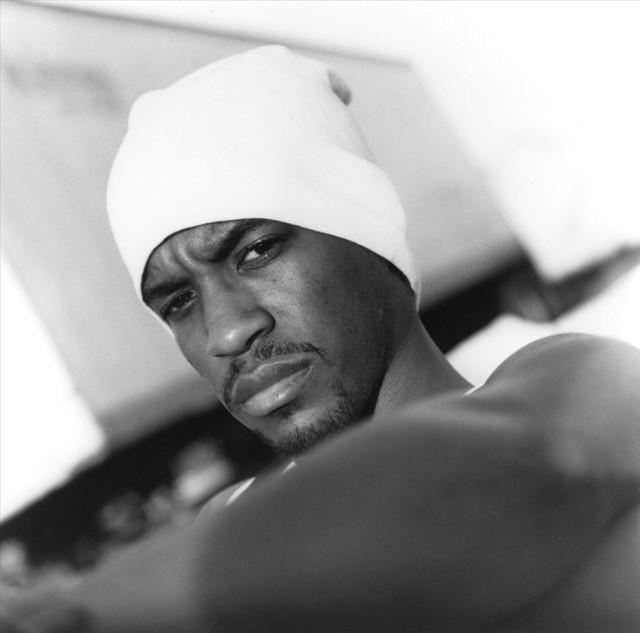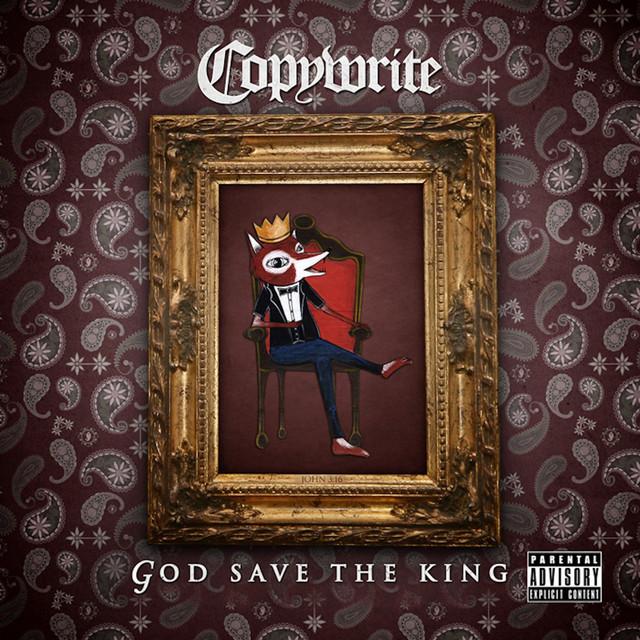
Cunninlynguists

Hip Hop
Contemporary Hip Hop
Underground Hip Hop
 Viberate Rank: 44726
 Viberate Rank: 44726
 Monthly ListenersFollowers
 Subscribers
 Followers
 Followers
 FansTop Spotify Songs
| Track | 7-Day Streams | |
|---|---|---|
1 | 40.74K | |
2 | 15.89K | |
3 | 12.24K | |
4 | 9.63K | |
5 | 9.50K |
Top YouTube Videos| Video | 7-Day Views | |
|---|---|---|
1 | 1.20K | |
2 | 846 | |
3 | 774 | |
4 | 597 | |
5 | 588 |
Monthly ListenersFeatured in Playlists| Playlist | Followers | |
|---|---|---|
1 | While You Work (@whileyouwork) Eli Feghali | 81.75K |
2 |  SAMURAI CHAMPLOO Phyllis Chen | 68.43K |
3 |  The Best of Trip Hop kymberleykennedy | 60.87K |
4 |  Boom Bap Classics Ville Kyyny | 60.44K |
5 |  [ TRIP HOP ] JM Jourdan | 57.77K |
Audience| City | Monthly Listeners | |
|---|---|---|
1 |  | 4.19K |
2 |  | 3.99K |
3 | | 3.92K |
4 |  | 3.30K |
5 | | 3.11K |
See full performance history, audience data, playlist activity, rankings, comparisons, and more in Viberate music analytics. Start with a free trial, then continue with a paid plan.
Cunninlynguists’ Spotify BioWitty lyrics and edgy productions have made CunninLynguists underground rap favorites. Before the progressive Southern group took shape, Deacon the Villain from Kentucky and Kno from Georgia were individually known for their skills on the mike and in the producer's chair. The duo's debut, Will Rap for Food, appeared on the small Urban Aces label in 2001 and soon went out of print. Rave reviews and Internet message boards helped make the album a collector's item until it was reissued by the Caroline-associated FreshChest label. FreshChest was also responsible for CunninLynguists' sophomore effort, 2003's Southernunderground, which found Mr. SOS joining the group, allowing Kno to focus on production. The album featured guest appearances by Masta Ace and RJD2, as well as some political material in response to the September 11, 2001 attacks.
Two loose mixtapes featuring a parade of guest stars, Sloppy Seconds, Vol. 1 and Sloppy Seconds, Vol. 2, preceded the group's third album, as did the… departure of Mr. SOS. A Piece of Strange, released by The LA Underground/QN5 Music in early 2006, featured newly recruited member Natti and appearances by Cee Lo Green and Immortal Technique. The group toured extensively for the release, scoring high-profile opening slots for Kanye West, Pharrell Williams, the Strokes. Fourth album Dirty Acres appeared on Bad Taste in 2007 with Devin the Dude, Phonte, and Witchdoctor contributing guest verses. Two mixtapes followed in 2009. Kno released his debut solo album, Death Is Silent, in 2010.
CunninLynguists returned in 2011 with their fifth proper studio album, Oneirology, which featured Big K.R.I.T. and Freddie Gibbs and became their first release to hit Billboard R&B/Hip-Hop Albums chart. The group then took a short break, with Natti releasing solo album Still Motion in 2013, and Kno forming trip-hop group Built to Fade, who released To Dust the same year. Strange Journey, Vol. 3 appeared in 2014, and was created with input from fans, who provided ideas for musical concepts as well as artwork. Later in the year, the group collaborated with the Grouch and Eligh for the tour-only release The WinterFire EP. The Rose EP and The Azure EP, issued four months apart in 2017, led to the album Rose Azura Njano that October. ~ David Jeffries, Rovi
Viberate is a music analytics platform built for A&Rs, artist managers, labels, booking agents, marketers, and artists.
It helps music professionals track artist growth, analyze audience data, monitor playlist activity, compare artists, follow song performance, and identify opportunities across the music market.
Public artist pages provide a free preview of selected artist data. Paid plans provide access to deeper analytics, historical data, charts, comparisons, playlist tools, exports, alerts, reports, and additional professional features.
Yes. Public Viberate artist pages provide selected artist analytics and music data for free.
Viberate also offers a 7-day free trial of the full platform. A credit card is required to start the trial. The trial includes access to the complete product so users can test deeper artist analytics, historical views, playlist insights, comparisons, charts, exports, alerts, and reporting features before choosing a paid plan.
Viberate provides artist analytics across streaming, playlists, social media, video, radio airplay, songs, and audience markets.
Users can analyze Spotify performance, Spotify and Apple Music playlists, YouTube activity, TikTok and Instagram growth, radio spins, song performance, audience locations, demographics, rankings, and overall artist momentum.
Artist profiles also connect to music charts, similar artists, and comparison tools, helping users benchmark performance and evaluate artists in context.
Viberate updates key artist and track data daily.
For followed artists and tracks, selected data is refreshed multiple times per day. This helps teams monitor playlist changes, streaming movement, audience growth, releases, and campaign performance with more current data.
Update frequency can vary depending on the metric and data source.
Yes. Viberate lets users compare up to five artists side by side across streaming, social media, audience, and engagement metrics.
Users can compare fanbase growth, audience demographics, locations, Spotify performance, social metrics, and other artist data over selected time periods.
Artist comparison can be used for A&R scouting, benchmarking, booking decisions, campaign planning, and evaluating artists with similar audiences or market positions.