Masta Ace

Hip Hop
Contemporary Hip Hop
 Viberate Rank: 32672
 Viberate Rank: 32672
 Monthly ListenersFollowers
 Subscribers
 Followers
 Followers
 FansTop Spotify Songs
| Track | 7-Day Streams | |
|---|---|---|
1 | 38.04K | |
2 | 33.18K | |
3 | 30.05K | |
4 | 23.12K | |
5 | 18.27K |
Top YouTube VideosMonthly ListenersFeatured in Playlists| Playlist | Followers | |
|---|---|---|
1 |  I Love My Underground Classics Spotify | 658.84K |
2 |  Acid Jazz Spotify | 396.00K |
3 |  Raw & Uncut Spotify | 334.48K |
4 |  This Is MF DOOM Spotify | 291.27K |
5 |  This Is Wu-Tang Clan Spotify | 266.03K |
Audience| City | Monthly Listeners | |
|---|---|---|
1 |  | 9.36K |
2 |  | 7.35K |
3 |  | 5.65K |
4 |  | 5.23K |
5 | | 5.00K |
See full performance history, audience data, playlist activity, rankings, comparisons, and more in Viberate music analytics. Start with a free trial, then continue with a paid plan.
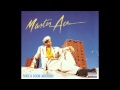
Masta Ace’s Spotify BioBoasting an impressive rap résumé that includes membership in the legendary Juice Crew and a verse on the classic 1988 posse cut "The Symphony," Brooklyn's Masta Ace is an underground hip-hop veteran and luminary. Two years after the release of "The Symphony," Ace released his debut album, Take a Look Around, on the revered Cold Chillin' label. While not a huge commercial success, the keenly produced album spawned a hit single -- and a Yo! MTV Raps staple -- with the Biz Markie collaboration "Me and the Biz." The album affirmed Masta Ace's rightful place as a significant contributor to hip-hop's golden age era.
Ace returned to the fold in 1993, this time with his crew as Masta Ace Incorporated -- which featured Lord Digga and Paula Perry -- and dropped Slaughtahouse. The album broke ground by taking the synthesized West Coast sound and filtering it through a hardcore East Coast mentality. The memorable "Born to Roll," with its tweaked Moog/Kraftwerk bassline, brought Ace some serious… commercial attention. In 1995, Masta Ace Incorporated dropped Sittin' on Chrome, a continuation of the previous album's themes, chock-full of Jeep beats but with even slicker sound. Using the Isley Brothers' much-sampled "For the Love of You" for the track "I.N.C. Ride" may have offended some of Ace's loyal fans, but the song's catchy vibe made it successful. Also known to release sleeper singles that cannot be found on his albums, Ace dropped one of his finest in 1996 with "Ya Hardcore" -- a bumping indictment of fake gangsters.
In 2000, Ace released a variety of singles including "Hellbound," a duet with Eminem that marked 12-plus years of experience in the rap business. Disposable Arts, an album released in 2001, was a well-received protest against watered-down rap with hints that the rapper was retiring. Ace hardly slowed down, however. He returned in 2004 with the conceptual album A Long Hot Summer and, a year later, he formed eMC with rappers Wordsworth, Punchline, and Stricklin. The group's first album, The Show, was released in 2008. A continued stream of featured appearances, as well as more substantial collaborative works, followed, including Arts & Entertainment (with Edo.G; 2009), MA_Doom: Son of Yvonne (with MF Doom; 2012), and a second eMC album (The Tonite Show; 2015). ~ Michael Di Bella, Rovi
Viberate is a music analytics platform built for A&Rs, artist managers, labels, booking agents, marketers, and artists.
It helps music professionals track artist growth, analyze audience data, monitor playlist activity, compare artists, follow song performance, and identify opportunities across the music market.
Public artist pages provide a free preview of selected artist data. Paid plans provide access to deeper analytics, historical data, charts, comparisons, playlist tools, exports, alerts, reports, and additional professional features.
Yes. Public Viberate artist pages provide selected artist analytics and music data for free.
Viberate also offers a 7-day free trial of the full platform. A credit card is required to start the trial. The trial includes access to the complete product so users can test deeper artist analytics, historical views, playlist insights, comparisons, charts, exports, alerts, and reporting features before choosing a paid plan.
Viberate provides artist analytics across streaming, playlists, social media, video, radio airplay, songs, and audience markets.
Users can analyze Spotify performance, Spotify and Apple Music playlists, YouTube activity, TikTok and Instagram growth, radio spins, song performance, audience locations, demographics, rankings, and overall artist momentum.
Artist profiles also connect to music charts, similar artists, and comparison tools, helping users benchmark performance and evaluate artists in context.
Viberate updates key artist and track data daily.
For followed artists and tracks, selected data is refreshed multiple times per day. This helps teams monitor playlist changes, streaming movement, audience growth, releases, and campaign performance with more current data.
Update frequency can vary depending on the metric and data source.
Yes. Viberate lets users compare up to five artists side by side across streaming, social media, audience, and engagement metrics.
Users can compare fanbase growth, audience demographics, locations, Spotify performance, social metrics, and other artist data over selected time periods.
Artist comparison can be used for A&R scouting, benchmarking, booking decisions, campaign planning, and evaluating artists with similar audiences or market positions.