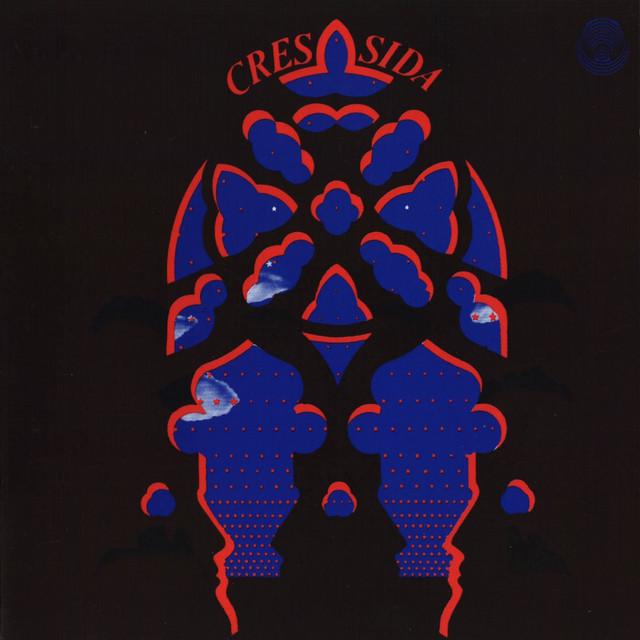
Cressida

Rock
Progressive Rock
 Viberate Rank: 263924
 Viberate Rank: 263924
 Monthly ListenersFollowers
 Subscribers
 Followers
 Followers
 FansTop Spotify Songs
| Track | 7-Day Streams | |
|---|---|---|
1 | 3.61K | |
2 | 3.32K | |
3 | 1.40K | |
4 | 1.11K | |
5 | 938 |
Top YouTube VideosMonthly ListenersFeatured in Playlists| Playlist | Followers | |
|---|---|---|
1 | 60s Psychedelic Trip andreas1965-71 | 8.20K |
2 |  Heard in Berghain Lady Jack | 5.28K |
3 |  obscure progressive rock eirwen | 4.67K |
4 |  The Sound of Canterbury Scene The Sounds of Spotify | 3.46K |
5 |  Obscure 60s/70s/80s Prog Rock/Psych/Folk/Fusion Masterpieces Christian Feemster | 3.18K |
Audience| City | Monthly Listeners | |
|---|---|---|
1 |  | 392 |
2 |  | 388 |
3 |  | 340 |
4 |  | 293 |
5 |  | 218 |
See full performance history, audience data, playlist activity, rankings, comparisons, and more in Viberate music analytics. Start with a free trial, then continue with a paid plan.
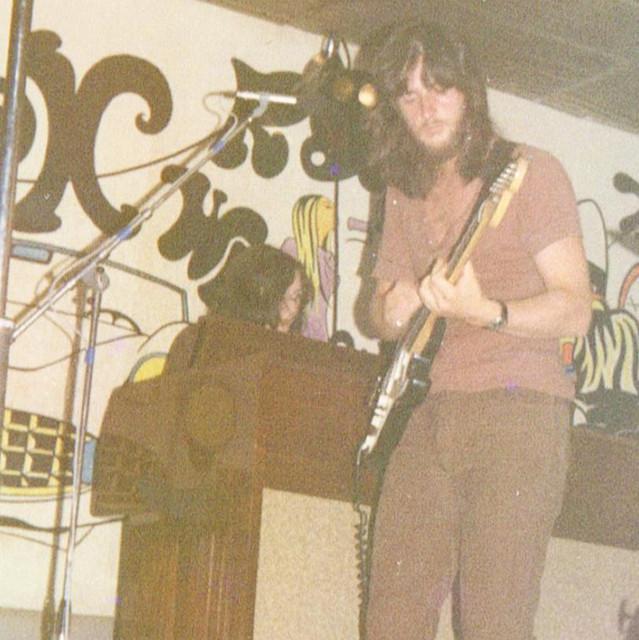
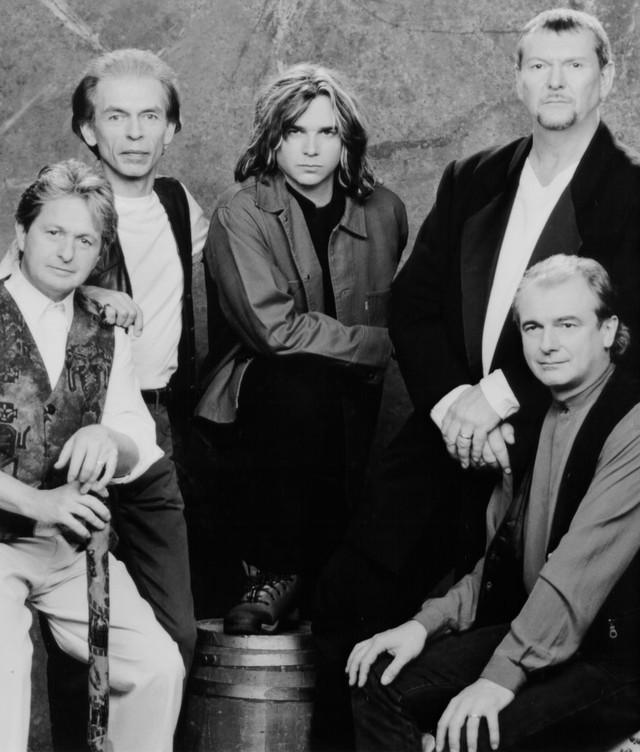
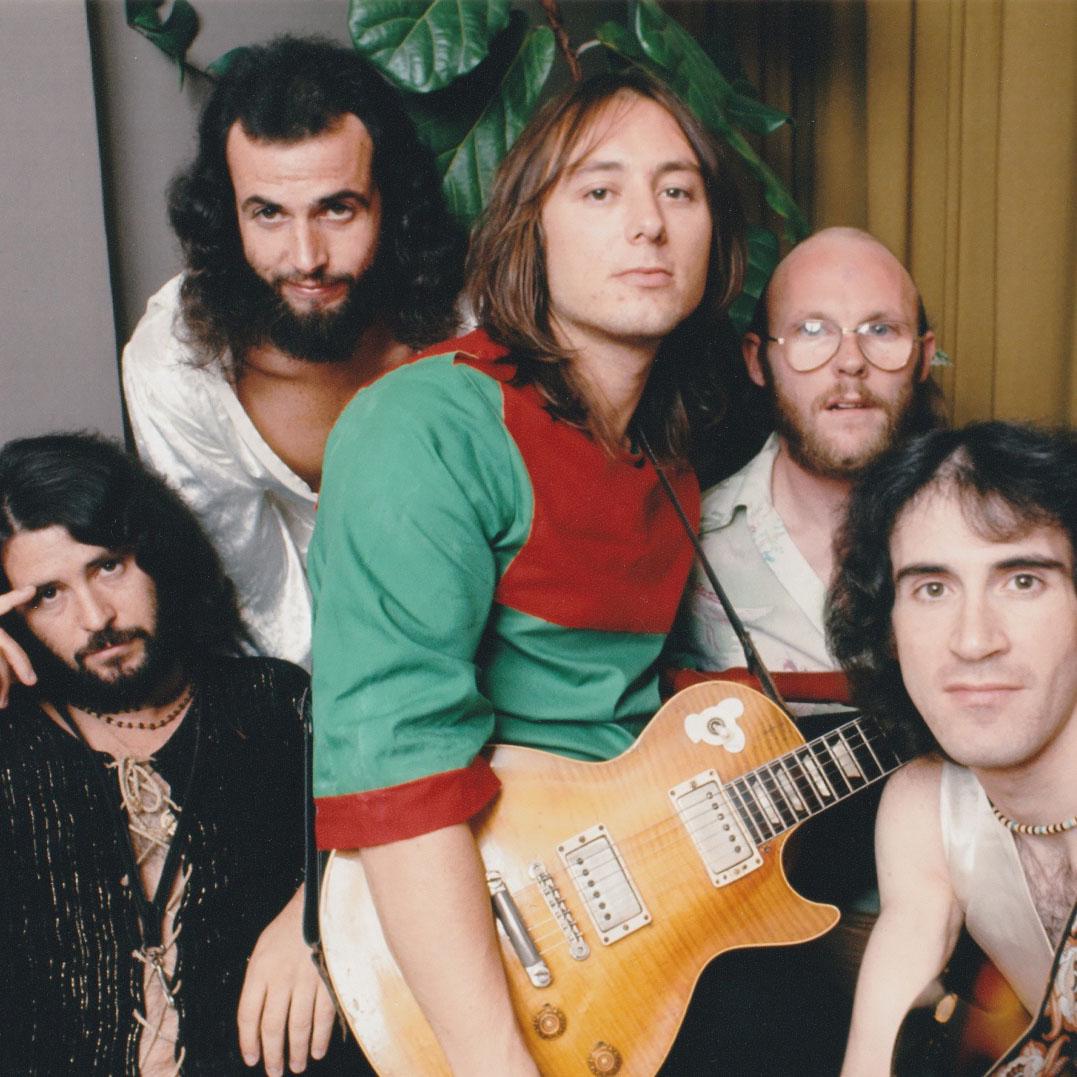
Cressida’s Spotify BioCressida was a British art rock band formed at the tail-end of the 1960s in the shadow of (and their music very much in thrall to) the Moody Blues, with a heavy organ and Mellotron sound courtesy of keyboard player Peter Jennings. The original lineup of Jennings, Angus Cullen (vocals, guitar), John Heyworth (guitar), Kevin McCarthy (bass), and Ian Clark (drums) was signed to Polydor's progressive rock imprint, Vertigo Records. The group had a dense, lyrical sound, and Cullen's singing was of a pleasing, almost pop nature, in a vein similar to Justin Hayward, Paul McCartney, et al. Their self-titled debut album was filled with hauntingly beautiful melodies and relatively accessible, straightforward song structures. It was somewhat derivative of antecedents such as the Moody Blues, but it did well enough to justify a follow-up in 1971. Heyworth had departed by the time of the second album, entitled Asylum, replaced by John Culley and Paul Martin Layton (of the New Seekers) on guitar, and… with Harold McNair added on flute as well. That album, produced by Ossie Byrne, was more ambitious instrumentally and, surprisingly, given Byrne's previous work with the Bee Gees and Eclection, less focused on Cullen's vocals. By 1972, however, the group had run out of steam and recording contract, and they never really had a chance to develop a history. Ian Clark moved on to a brief stay with Uriah Heep and John Culley became a member of Black Widow. ~ Bruce Eder, Rovi
Viberate is a music analytics platform built for A&Rs, artist managers, labels, booking agents, marketers, and artists.
It helps music professionals track artist growth, analyze audience data, monitor playlist activity, compare artists, follow song performance, and identify opportunities across the music market.
Public artist pages provide a free preview of selected artist data. Paid plans provide access to deeper analytics, historical data, charts, comparisons, playlist tools, exports, alerts, reports, and additional professional features.
Yes. Public Viberate artist pages provide selected artist analytics and music data for free.
Viberate also offers a 7-day free trial of the full platform. A credit card is required to start the trial. The trial includes access to the complete product so users can test deeper artist analytics, historical views, playlist insights, comparisons, charts, exports, alerts, and reporting features before choosing a paid plan.
Viberate provides artist analytics across streaming, playlists, social media, video, radio airplay, songs, and audience markets.
Users can analyze Spotify performance, Spotify and Apple Music playlists, YouTube activity, TikTok and Instagram growth, radio spins, song performance, audience locations, demographics, rankings, and overall artist momentum.
Artist profiles also connect to music charts, similar artists, and comparison tools, helping users benchmark performance and evaluate artists in context.
Viberate updates key artist and track data daily.
For followed artists and tracks, selected data is refreshed multiple times per day. This helps teams monitor playlist changes, streaming movement, audience growth, releases, and campaign performance with more current data.
Update frequency can vary depending on the metric and data source.
Yes. Viberate lets users compare up to five artists side by side across streaming, social media, audience, and engagement metrics.
Users can compare fanbase growth, audience demographics, locations, Spotify performance, social metrics, and other artist data over selected time periods.
Artist comparison can be used for A&R scouting, benchmarking, booking decisions, campaign planning, and evaluating artists with similar audiences or market positions.