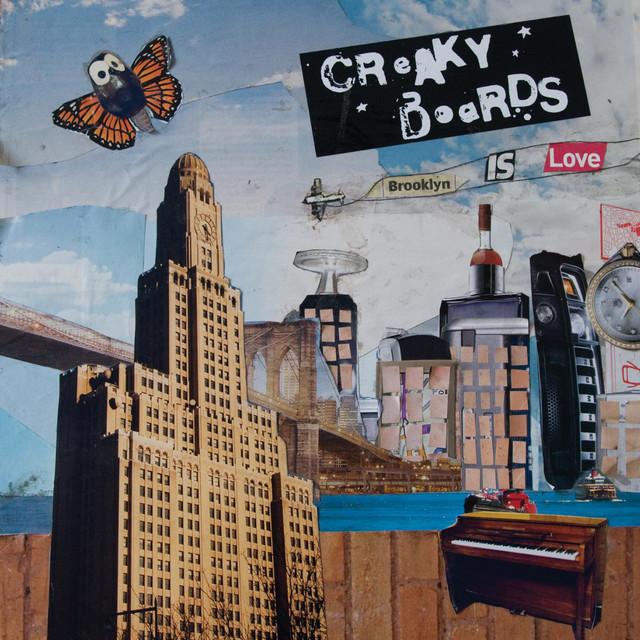
Creaky Boards

Rock
Rockabilly
 Viberate Rank: 536060
 Viberate Rank: 536060
 Monthly ListenersFollowers
 Subscribers
 Followers
 Followers
 FansTop Spotify Songs
| Track | 7-Day Streams | |
|---|---|---|
1 | 416 | |
2 | 20 | |
3 | 12 | |
4 | 6 | |
5 | 6 |
Top YouTube VideosMonthly ListenersFeatured in Playlists| Playlist | Followers | |
|---|---|---|
1 | Dog's Jacob | 4.13K |
2 |  BIRP! 2009 - 2019 BIRP! | 2.20K |
3 |  POWER POP: 100 best songs Juan Ceñal | 1.29K |
4 | The REAL Sound of Anti-Folk Weemayk Music | 1.11K |
Audience| City | Monthly Listeners | |
|---|---|---|
1 | | 20 |
2 | | 15 |
3 |  | 13 |
4 | | 13 |
5 | | 11 |
See full performance history, audience data, playlist activity, rankings, comparisons, and more in Viberate music analytics. Start with a free trial, then continue with a paid plan.
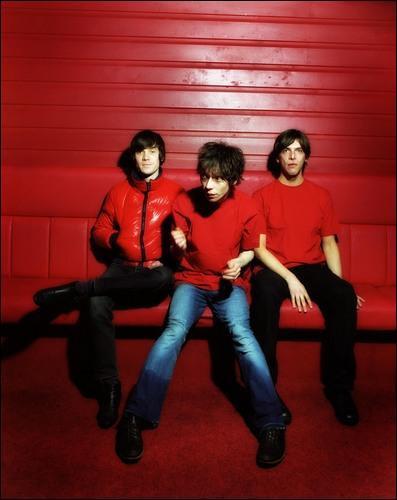
Creaky Boards’ Spotify BioCreaky Boards emerged in New York in 2004 as an eccentric, bright-eyed anti-folk duo comprised of singer/songwriter Andrew Hoepfner and trumpet player Jason Benjamin. The duo generated a bit of buzz in the New York anti-folk scene and went on to perform at high-profile venues like the Knitting Factory and the 2004 Summer Antifolk Fest. Led by Hoepfner, who proved himself to be the creative force driving the band, Creaky Boards soon swelled to include five members. The newly expanded band's debut full-length, Where's the Sunshine?, was released in 2005; it found Creaky Boards moving beyond their anti-folk roots and delving into sunny, fun-loving indie pop that nodded to acts like Saturday Looks Good to Me and Fishboy. Creaky Boards' rotating cast of characters expanded to six over the course of the next year. Their sophomore release, Brooklyn Is Love, came out in late 2007. One track from that album, "The Songs I Didn't Write," was the subject of some controversy in the summer of 2008.… Using a YouTube mash-up to illustrate his point, Hoepfner alleged that Coldplay had copied "The Songs I Didn't Write" in composing "Viva la Vida," a song that was featured on a commercial airing at that time. Coldplay shot down the claim, denying any knowledge of Hoepfner's song prior to recording "Viva la Vida." ~ TiVo Staff
Viberate is a music analytics platform built for A&Rs, artist managers, labels, booking agents, marketers, and artists.
It helps music professionals track artist growth, analyze audience data, monitor playlist activity, compare artists, follow song performance, and identify opportunities across the music market.
Public artist pages provide a free preview of selected artist data. Paid plans provide access to deeper analytics, historical data, charts, comparisons, playlist tools, exports, alerts, reports, and additional professional features.
Yes. Public Viberate artist pages provide selected artist analytics and music data for free.
Viberate also offers a 7-day free trial of the full platform. A credit card is required to start the trial. The trial includes access to the complete product so users can test deeper artist analytics, historical views, playlist insights, comparisons, charts, exports, alerts, and reporting features before choosing a paid plan.
Viberate provides artist analytics across streaming, playlists, social media, video, radio airplay, songs, and audience markets.
Users can analyze Spotify performance, Spotify and Apple Music playlists, YouTube activity, TikTok and Instagram growth, radio spins, song performance, audience locations, demographics, rankings, and overall artist momentum.
Artist profiles also connect to music charts, similar artists, and comparison tools, helping users benchmark performance and evaluate artists in context.
Viberate updates key artist and track data daily.
For followed artists and tracks, selected data is refreshed multiple times per day. This helps teams monitor playlist changes, streaming movement, audience growth, releases, and campaign performance with more current data.
Update frequency can vary depending on the metric and data source.
Yes. Viberate lets users compare up to five artists side by side across streaming, social media, audience, and engagement metrics.
Users can compare fanbase growth, audience demographics, locations, Spotify performance, social metrics, and other artist data over selected time periods.
Artist comparison can be used for A&R scouting, benchmarking, booking decisions, campaign planning, and evaluating artists with similar audiences or market positions.