1990s

Rock
Indie Rock
 Viberate Rank: 204453
 Viberate Rank: 204453
 Monthly ListenersFollowers
 Subscribers
 Followers
 Followers
 FansTop Spotify Songs
| Track | 7-Day Streams | |
|---|---|---|
1 | 4.44K | |
2 | 3.43K | |
3 | 3.43K | |
4 | 2.45K | |
5 | 2.19K |
Top YouTube VideosMonthly ListenersFeatured in Playlists| Playlist | Followers | |
|---|---|---|
1 | REMEMBER CANTADITAS 90 - 2000 1172009666 | 55.81K |
2 | Dance Anos 90 Linda Braga Vieira | 27.61K |
3 |  90er Partymix Laura | 20.82K |
4 | Christian Lach | 20.21K |
5 | Nasty Mondays Official Playlist nastymondaysofficial | 14.37K |
Audience| City | Monthly Listeners | |
|---|---|---|
1 | | 158 |
2 | | 91 |
3 |  | 68 |
4 | | 67 |
5 | | 65 |
See full performance history, audience data, playlist activity, rankings, comparisons, and more in Viberate music analytics. Start with a free trial, then continue with a paid plan.
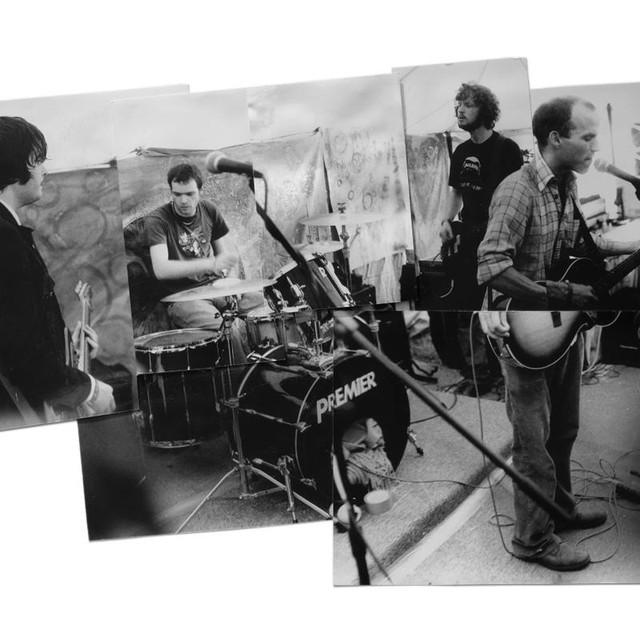
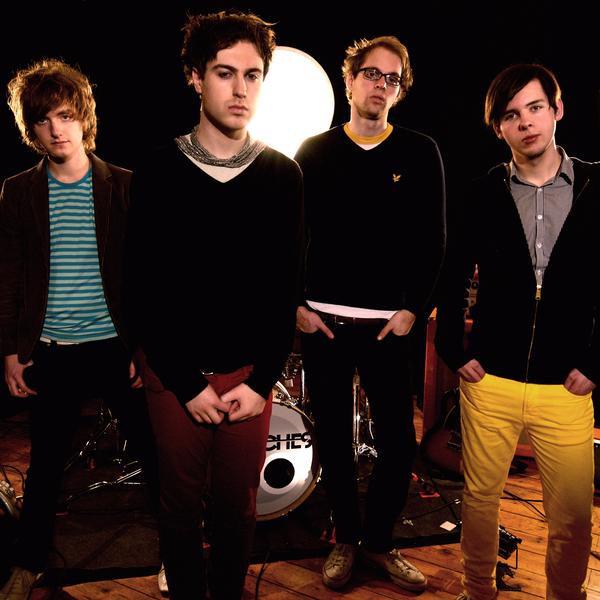
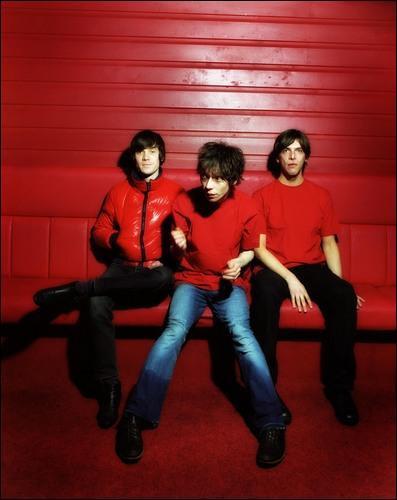
1990s’ Spotify BioGlasgow rock & roll trio 1990s formed from the remnants of the Yummy Fur, which had briefly included Paul Thomson of Franz Ferdinand. After the Yummy Fur called it quits in 1999, guitarist/vocalist Jackie McKeown and bassist Jamie McMorrow regrouped a few years later with drummer Michael McGaughrin of V-Twin to form 1990s. The band was signed by Rough Trade after playing only six shows. In addition to supporting Franz Ferdinand, 1990s toured with the Long Blondes and CSS in late 2006. Cookies, their excellent debut album, was produced by former Suede guitarist Bernard Butler, and was released in the U.S. on July 31, 2007. Soon after, bassist McMorrow left the group and Norman Blake of Teenage Fanclub filled in to help fulfill touring obligations. He was never meant to be a permanent member of the band, and soon Dino Bardot (who had played with McGaughrin in V-Twin) joined. The revamped trio hit the studio once again with Butler and the resulting album, Kicks, was released in March of… 2009. ~ Kenyon Hopkin, Rovi
Viberate is a music analytics platform built for A&Rs, artist managers, labels, booking agents, marketers, and artists.
It helps music professionals track artist growth, analyze audience data, monitor playlist activity, compare artists, follow song performance, and identify opportunities across the music market.
Public artist pages provide a free preview of selected artist data. Paid plans provide access to deeper analytics, historical data, charts, comparisons, playlist tools, exports, alerts, reports, and additional professional features.
Yes. Public Viberate artist pages provide selected artist analytics and music data for free.
Viberate also offers a 7-day free trial of the full platform. A credit card is required to start the trial. The trial includes access to the complete product so users can test deeper artist analytics, historical views, playlist insights, comparisons, charts, exports, alerts, and reporting features before choosing a paid plan.
Viberate provides artist analytics across streaming, playlists, social media, video, radio airplay, songs, and audience markets.
Users can analyze Spotify performance, Spotify and Apple Music playlists, YouTube activity, TikTok and Instagram growth, radio spins, song performance, audience locations, demographics, rankings, and overall artist momentum.
Artist profiles also connect to music charts, similar artists, and comparison tools, helping users benchmark performance and evaluate artists in context.
Viberate updates key artist and track data daily.
For followed artists and tracks, selected data is refreshed multiple times per day. This helps teams monitor playlist changes, streaming movement, audience growth, releases, and campaign performance with more current data.
Update frequency can vary depending on the metric and data source.
Yes. Viberate lets users compare up to five artists side by side across streaming, social media, audience, and engagement metrics.
Users can compare fanbase growth, audience demographics, locations, Spotify performance, social metrics, and other artist data over selected time periods.
Artist comparison can be used for A&R scouting, benchmarking, booking decisions, campaign planning, and evaluating artists with similar audiences or market positions.