Corner House

Country
Bluegrass
Newgrass
 Viberate Rank: 565245
 Viberate Rank: 565245
 Monthly ListenersFollowers
 Subscribers
 Followers
 Followers
 FansTop Spotify Songs
| Track | 7-Day Streams | |
|---|---|---|
1 | 15 | |
2 | 14 | |
3 | 9 | |
4 | 5 | |
5 | 4 |
Top YouTube VideosMonthly ListenersFeatured in PlaylistsAudience| City | Monthly Listeners | |
|---|---|---|
1 | | 5 |
2 | | 4 |
3 | | 3 |
4 | | 3 |
See full performance history, audience data, playlist activity, rankings, comparisons, and more in Viberate music analytics. Start with a free trial, then continue with a paid plan.
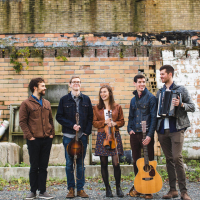
Corner House’s Spotify BioOriginally hailing from Boston, MA, Corner House takes their name from the place where the four young band members found musical family in one another - their shared home in Brighton, as students at Berklee College of Music. Emerging from varied genre backgrounds, the quartet’s unique strength is their desire to learn from one another, not only in musical skill and style, but in life experience; such that every challenge overcome by one band member becomes part of the group’s shared musical and personal DNA. On their debut full length album How Beautiful It’s Been the band reveals the sublime result of that growth mindset, with a singular sound that incorporates old time, Scottish, progressive bluegrass and folk.
Made up of songwriter and guitarist Ethan Hawkins, Scottish fiddle player Louise Bichan, cellist Casey Murray, and bluegrass mandolinist Ethan Setiawan, Corner House are students of a wide variety of musical traditions. For their debut full length record, they enlisted harp… virtuoso Maeve Gilchrist, a past mentor to all four bandmembers, to produce. In many ways, Corner House is the band we all wish we could be a part of. Mutually inspired, learning from one another, and open to any and all ideas, the group is a beautiful representation of their generation; not only tolerating, but embracing diversity in every aspect of their music making. If we listen closely enough, we may be able to learn just as much from them as they have from one another.
Viberate is a music analytics platform built for A&Rs, artist managers, labels, booking agents, marketers, and artists.
It helps music professionals track artist growth, analyze audience data, monitor playlist activity, compare artists, follow song performance, and identify opportunities across the music market.
Public artist pages provide a free preview of selected artist data. Paid plans provide access to deeper analytics, historical data, charts, comparisons, playlist tools, exports, alerts, reports, and additional professional features.
Yes. Public Viberate artist pages provide selected artist analytics and music data for free.
Viberate also offers a 7-day free trial of the full platform. A credit card is required to start the trial. The trial includes access to the complete product so users can test deeper artist analytics, historical views, playlist insights, comparisons, charts, exports, alerts, and reporting features before choosing a paid plan.
Viberate provides artist analytics across streaming, playlists, social media, video, radio airplay, songs, and audience markets.
Users can analyze Spotify performance, Spotify and Apple Music playlists, YouTube activity, TikTok and Instagram growth, radio spins, song performance, audience locations, demographics, rankings, and overall artist momentum.
Artist profiles also connect to music charts, similar artists, and comparison tools, helping users benchmark performance and evaluate artists in context.
Viberate updates key artist and track data daily.
For followed artists and tracks, selected data is refreshed multiple times per day. This helps teams monitor playlist changes, streaming movement, audience growth, releases, and campaign performance with more current data.
Update frequency can vary depending on the metric and data source.
Yes. Viberate lets users compare up to five artists side by side across streaming, social media, audience, and engagement metrics.
Users can compare fanbase growth, audience demographics, locations, Spotify performance, social metrics, and other artist data over selected time periods.
Artist comparison can be used for A&R scouting, benchmarking, booking decisions, campaign planning, and evaluating artists with similar audiences or market positions.