Drank The Gold

European
Celtic
 Viberate Rank: 704685
 Viberate Rank: 704685
 Monthly ListenersFollowers
 Subscribers
 Followers
 Followers
 FansTop Spotify Songs
| Track | 7-Day Streams | |
|---|---|---|
1 | 7 | |
2 | 5 | |
3 | 5 | |
4 | 1 |
Top YouTube Videos| Video | 7-Day Views | |
|---|---|---|
1 | 7 | |
2 | 3 | |
3 | 1 | |
4 | 1 | |
5 | 1 |
Monthly ListenersFeatured in PlaylistsAudience| City | Monthly Listeners | |
|---|---|---|
1 |  | 3 |
See full performance history, audience data, playlist activity, rankings, comparisons, and more in Viberate music analytics. Start with a free trial, then continue with a paid plan.
Drank The Gold’s Spotify Bio“At times, they dived into the track of the moon in the dark sea water and opened their mouths to swallow the silver. At times, they plunged into the path of the sun in the green-blue ocean and opened their mouths and drank the gold.”
— Pat O’Shea, The Hounds of the Morrigan
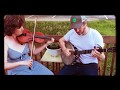
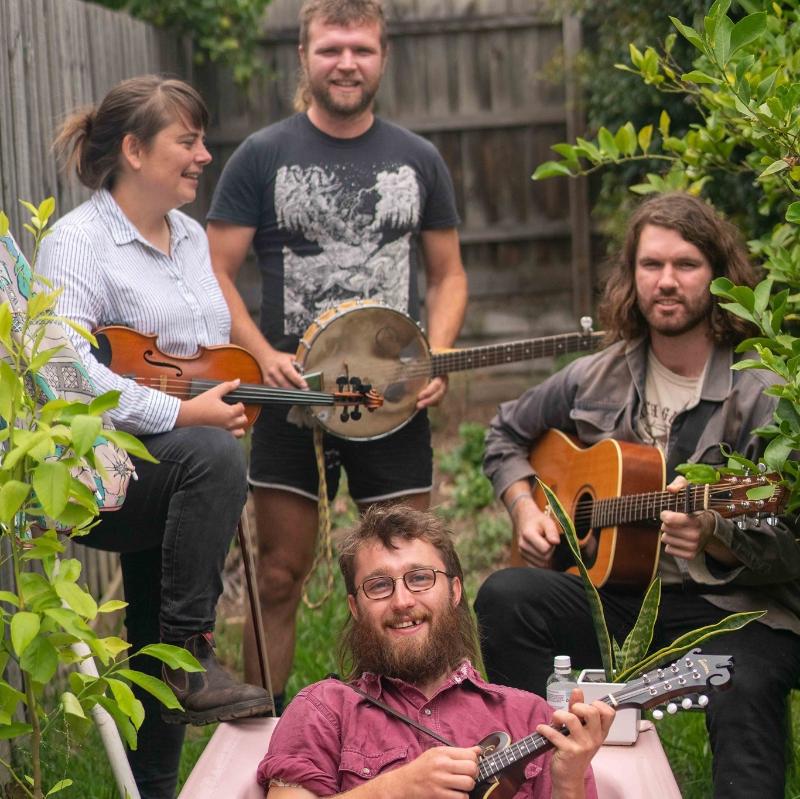
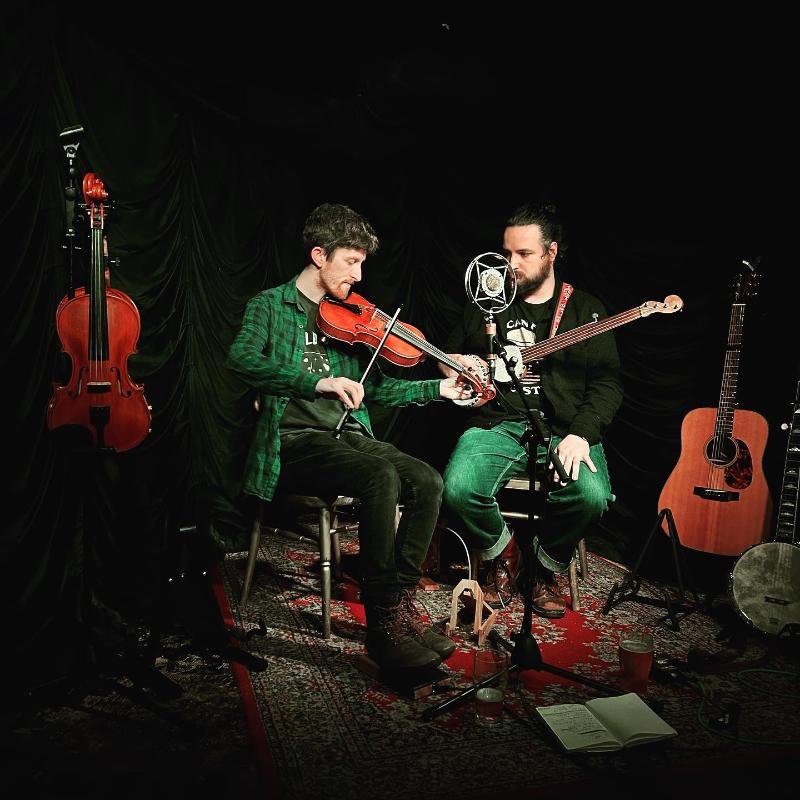
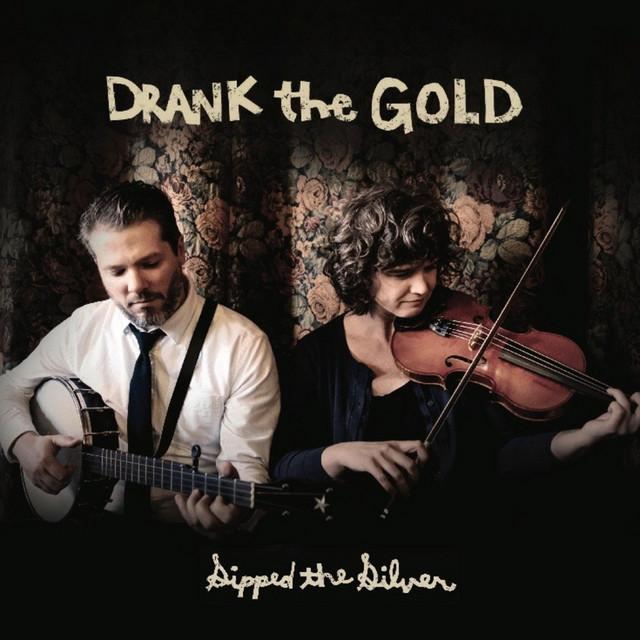
From Upstate New York, Oona Grady (fiddle/viola/vocals) and James Gascoyne (guitar/banjo/vocals) play and sing North Atlantic dance tunes and folk songs.
Steeped in Irish music for as far back as she can remember, Oona spent many years living in Cork, Ireland, where she honed her skills as a fiddle player and Irish music specialist. Upon moving back to her hometown of Ithaca, NY, Oona immersed herself in the local traditional music scene and incorporated old time and Cajun tunes into her repertoire.
Growing up outside Louisville, KY, James was surrounded by music from an early age; radio, vinyl records, church music, and live concerts were a part of daily life. Finding his own musical style as an adult, James always… keeps his ears open for sounds – new, old, familiar, or strange. While singing and playing guitar and banjo with Drank The Gold, he delves into the traditions of American old time and Irish dance tunes, while keeping true to his borderless, experimental musical roots.
Now based in Saratoga Springs, NY, Oona and James collaborate as Drank The Gold, bringing new perspectives and innovative arrangements to the music they love. Craic agus ceol (good times and music)!
Viberate is a music analytics platform built for A&Rs, artist managers, labels, booking agents, marketers, and artists.
It helps music professionals track artist growth, analyze audience data, monitor playlist activity, compare artists, follow song performance, and identify opportunities across the music market.
Public artist pages provide a free preview of selected artist data. Paid plans provide access to deeper analytics, historical data, charts, comparisons, playlist tools, exports, alerts, reports, and additional professional features.
Yes. Public Viberate artist pages provide selected artist analytics and music data for free.
Viberate also offers a 7-day free trial of the full platform. A credit card is required to start the trial. The trial includes access to the complete product so users can test deeper artist analytics, historical views, playlist insights, comparisons, charts, exports, alerts, and reporting features before choosing a paid plan.
Viberate provides artist analytics across streaming, playlists, social media, video, radio airplay, songs, and audience markets.
Users can analyze Spotify performance, Spotify and Apple Music playlists, YouTube activity, TikTok and Instagram growth, radio spins, song performance, audience locations, demographics, rankings, and overall artist momentum.
Artist profiles also connect to music charts, similar artists, and comparison tools, helping users benchmark performance and evaluate artists in context.
Viberate updates key artist and track data daily.
For followed artists and tracks, selected data is refreshed multiple times per day. This helps teams monitor playlist changes, streaming movement, audience growth, releases, and campaign performance with more current data.
Update frequency can vary depending on the metric and data source.
Yes. Viberate lets users compare up to five artists side by side across streaming, social media, audience, and engagement metrics.
Users can compare fanbase growth, audience demographics, locations, Spotify performance, social metrics, and other artist data over selected time periods.
Artist comparison can be used for A&R scouting, benchmarking, booking decisions, campaign planning, and evaluating artists with similar audiences or market positions.