Brutality

Metal
Death Metal
 Viberate Rank: 216809
 Viberate Rank: 216809
 Monthly ListenersFollowers
 Subscribers
 Followers
 Followers
 FansTop Spotify Songs
| Track | 7-Day Streams | |
|---|---|---|
1 | 3.72K | |
2 | 1.28K | |
3 | 1.26K | |
4 | 854 | |
5 | 575 |
Top YouTube VideosMonthly ListenersFeatured in Playlists| Playlist | Followers | |
|---|---|---|
1 |  Death Metal Classics @MansenSankari | 127.47K |
2 |  DEATH METAL TOP 100 True Metal Playlists | 36.92K |
3 | Metal🤘🏻 Naydil González | 16.46K |
4 |  Death Metal Old School Stéphane Loisal | 12.90K |
5 |  Old School Death Metal @MansenSankari | 11.01K |
Audience| City | Monthly Listeners | |
|---|---|---|
1 |  | 458 |
2 |  | 278 |
3 |  | 236 |
4 |  | 214 |
5 | | 181 |
See full performance history, audience data, playlist activity, rankings, comparisons, and more in Viberate music analytics. Start with a free trial, then continue with a paid plan.
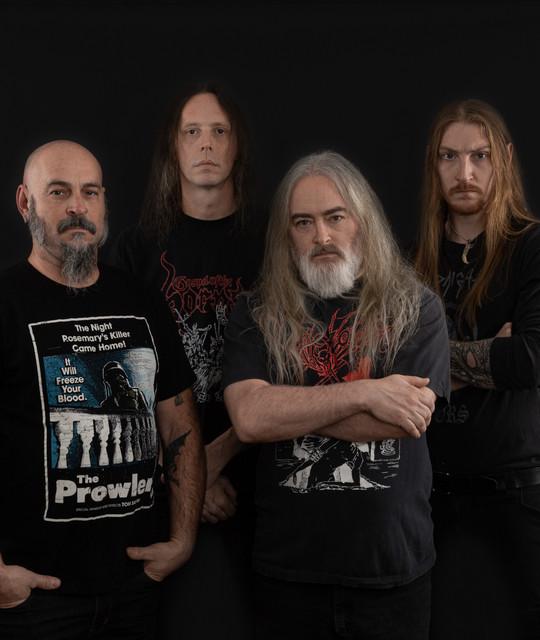
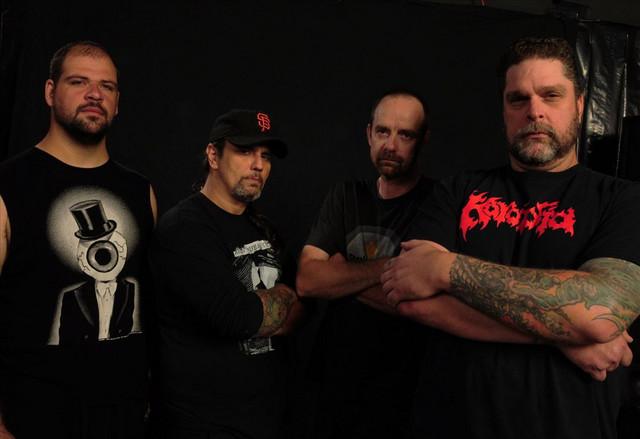
Brutality’s Spotify BioOne of the most popular acts to emerge out of Florida, USA’s burgeoning death metal scene, Brutality had actually developed over several years following their formation in 1988. The original line-up featured Scott Reigel (vocals), Don Gates (guitar), Jay Fernandez (guitar), Jeff Acres (bass/vocals) and Jim Coker (drums). Typically for the genre, they subsisted in the early days through the demo network, although there were also two singles (‘Hell On Earth’ and ‘Sadistic’) for the European label Nuclear Blast. These introduced Brutality’s trademark sound, aggressive rhythms topped by Reigel’s distinctive vocals. The violence of the sound, more fully visited on the 1993 debut album Screams Of Anguish and the subsequent When The Sky Turns Black (1994) was all-encompassing. The second album featured new guitarist Bryan Hipp (b. USA, d. 21 October 2006), and further personnel change was to follow with the introduction of guitarists Dana Walsh and Pete Sykes alongside Reigel, Acres and Coker… on 1996’s In Mourning.
Brutality broke up in the late 90s but have re-formed on several occasions in the new millennium, with Reigel, Acres and Coker joined by a number of different guitarists.
Viberate is a music analytics platform built for A&Rs, artist managers, labels, booking agents, marketers, and artists.
It helps music professionals track artist growth, analyze audience data, monitor playlist activity, compare artists, follow song performance, and identify opportunities across the music market.
Public artist pages provide a free preview of selected artist data. Paid plans provide access to deeper analytics, historical data, charts, comparisons, playlist tools, exports, alerts, reports, and additional professional features.
Yes. Public Viberate artist pages provide selected artist analytics and music data for free.
Viberate also offers a 7-day free trial of the full platform. A credit card is required to start the trial. The trial includes access to the complete product so users can test deeper artist analytics, historical views, playlist insights, comparisons, charts, exports, alerts, and reporting features before choosing a paid plan.
Viberate provides artist analytics across streaming, playlists, social media, video, radio airplay, songs, and audience markets.
Users can analyze Spotify performance, Spotify and Apple Music playlists, YouTube activity, TikTok and Instagram growth, radio spins, song performance, audience locations, demographics, rankings, and overall artist momentum.
Artist profiles also connect to music charts, similar artists, and comparison tools, helping users benchmark performance and evaluate artists in context.
Viberate updates key artist and track data daily.
For followed artists and tracks, selected data is refreshed multiple times per day. This helps teams monitor playlist changes, streaming movement, audience growth, releases, and campaign performance with more current data.
Update frequency can vary depending on the metric and data source.
Yes. Viberate lets users compare up to five artists side by side across streaming, social media, audience, and engagement metrics.
Users can compare fanbase growth, audience demographics, locations, Spotify performance, social metrics, and other artist data over selected time periods.
Artist comparison can be used for A&R scouting, benchmarking, booking decisions, campaign planning, and evaluating artists with similar audiences or market positions.