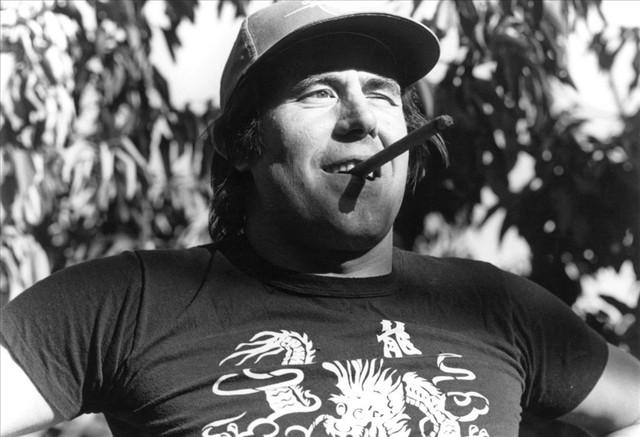
Commander Cody

Country
Contemporary Country
Country Rock
 Viberate Rank: 209419
 Viberate Rank: 209419
 Monthly ListenersFollowers
 Subscribers
 Followers
 Followers
 FansTop Spotify Songs
| Track | 7-Day Streams | |
|---|---|---|
1 | 768 | |
2 | 121 | |
3 | 58 | |
4 | 57 | |
5 | 49 |
Top YouTube Videos| Video | 7-Day Views | |
|---|---|---|
1 | 453 | |
2 | 276 | |
3 | 136 | |
4 | 119 | |
5 | 105 |
Monthly ListenersFeatured in Playlists| Playlist | Followers | |
|---|---|---|
1 | Christmas Funny, Humorous, Weird, and Silly Songs--nothing explicit R.D. Winfrey | 1.98K |
2 |  Rockabilly Halloween Party halloweenbabymonica | 1.30K |
3 | Masters of the Telecaster Fusilli Vinnie | 1.06K |
Audience| City | Monthly Listeners | |
|---|---|---|
1 | | 24 |
2 | | 19 |
3 | | 16 |
4 | | 16 |
5 | | 15 |
See full performance history, audience data, playlist activity, rankings, comparisons, and more in Viberate music analytics. Start with a free trial, then continue with a paid plan.
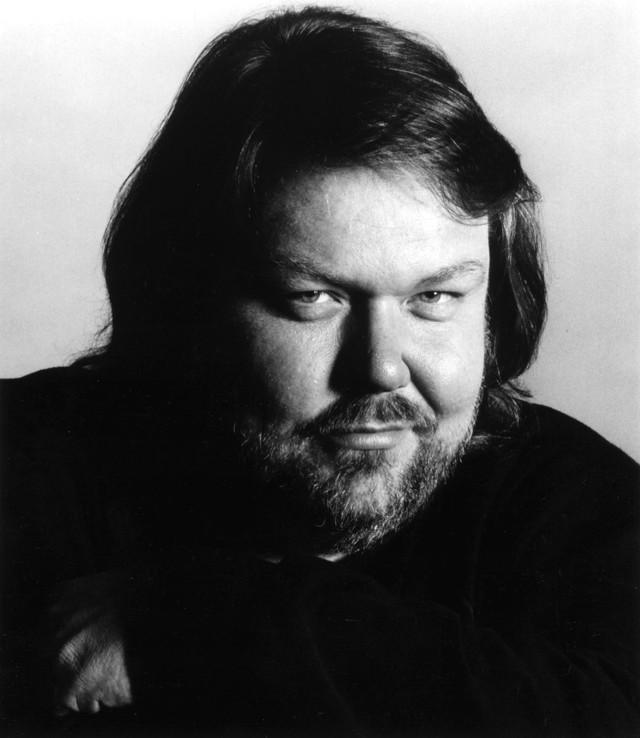
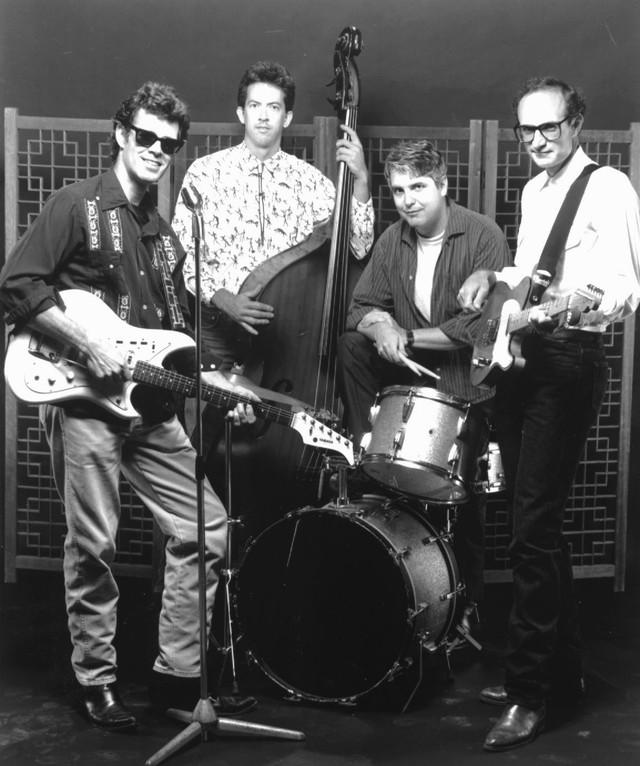
Commander Cody’s Spotify BioGeorge Frayne IV and his band, Commander Cody and His Lost Planet Airmen, were equally adept at stripped-down basic rock & roll, R&B, and gritty country-rock. The band's country-rock rocked harder than the Eagles or Poco -- essentially, the group was a bar band. Much like English pub rock bands like Brinsley Schwarz and Ducks Deluxe, Commander Cody resisted the overblown and bombastic trends of early-'70s rock, preferring a basic no-frills approach. Commander Cody and the Lost Planet Airmen never had the impact of the British pub rockers, yet their straightforward energy gave their records a distinguishing drive; they could play country, Western swing, rockabilly, and R&B, and it all sounded convincing.
The group originally formed in 1967 in Ann Arbor, Michigan. The original lineup included Commander Cody himself (born George Frayne IV; piano), John Tichy (lead guitar), Steve Schwartz (guitar), Steve "The West Virginia Creeper" Davis (bass), and Ralph Mallory (drums). When the group… relocated to San Francisco the following year, only Frayne, Bolton, and Tichy made the move; the group's membership had been bolstered to include Billy C. Farlow (vocals, harp), Andy Stein (fiddle, saxophone), guitarist Billy Kirchen, bassist "Buffalo" Bruce Barlow, and drummer Lance Dickerson for their 1971 debut album, Lost in the Ozone.
The following year the group scored a fluke Top Ten hit with "Hot Rod Lincoln," taken from their first album, Lost in the Ozone. Commander Cody and His Lost Planet Airmen were never able to capitalize on the single's success, partially because their albums never completely captured their live energy. They continued to release albums until Tichy left the band in 1976. Commander Cody released his first solo album, Midnight Man, in 1977, then he re-formed the group as the Commander Cody Band. They recorded three albums between 1977 and 1980. In 2009, after a 23-year hiatus, Commander Cody returned to the studio for Dopers, Drunks and Everyday Losers, a collection of new songs and classics from the Cody catalog. George Frayne IV died on September 26, 2021 of cancer at the age of 77. ~ Stephen Thomas Erlewine, Rovi
Viberate is a music analytics platform built for A&Rs, artist managers, labels, booking agents, marketers, and artists.
It helps music professionals track artist growth, analyze audience data, monitor playlist activity, compare artists, follow song performance, and identify opportunities across the music market.
Public artist pages provide a free preview of selected artist data. Paid plans provide access to deeper analytics, historical data, charts, comparisons, playlist tools, exports, alerts, reports, and additional professional features.
Yes. Public Viberate artist pages provide selected artist analytics and music data for free.
Viberate also offers a 7-day free trial of the full platform. A credit card is required to start the trial. The trial includes access to the complete product so users can test deeper artist analytics, historical views, playlist insights, comparisons, charts, exports, alerts, and reporting features before choosing a paid plan.
Viberate provides artist analytics across streaming, playlists, social media, video, radio airplay, songs, and audience markets.
Users can analyze Spotify performance, Spotify and Apple Music playlists, YouTube activity, TikTok and Instagram growth, radio spins, song performance, audience locations, demographics, rankings, and overall artist momentum.
Artist profiles also connect to music charts, similar artists, and comparison tools, helping users benchmark performance and evaluate artists in context.
Viberate updates key artist and track data daily.
For followed artists and tracks, selected data is refreshed multiple times per day. This helps teams monitor playlist changes, streaming movement, audience growth, releases, and campaign performance with more current data.
Update frequency can vary depending on the metric and data source.
Yes. Viberate lets users compare up to five artists side by side across streaming, social media, audience, and engagement metrics.
Users can compare fanbase growth, audience demographics, locations, Spotify performance, social metrics, and other artist data over selected time periods.
Artist comparison can be used for A&R scouting, benchmarking, booking decisions, campaign planning, and evaluating artists with similar audiences or market positions.