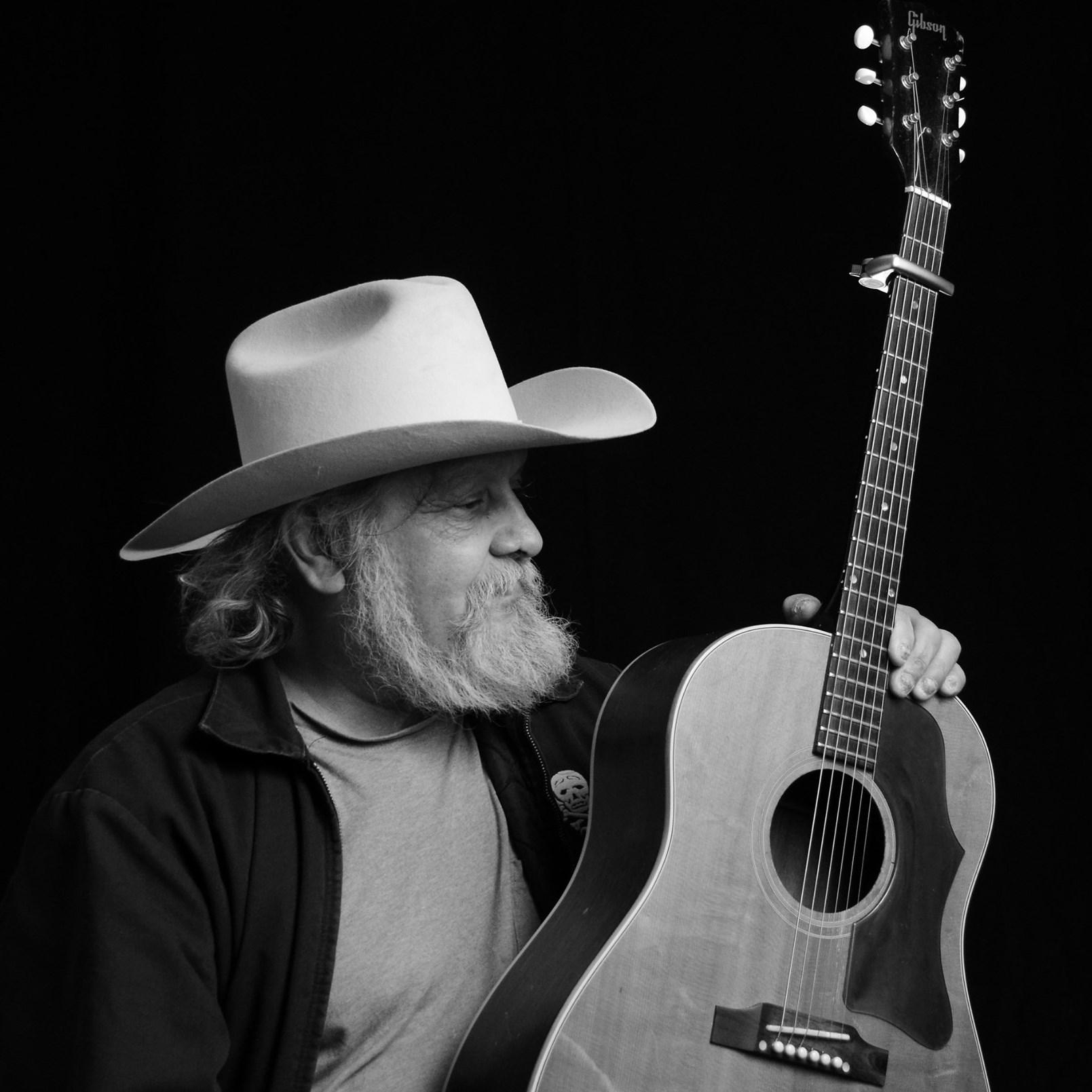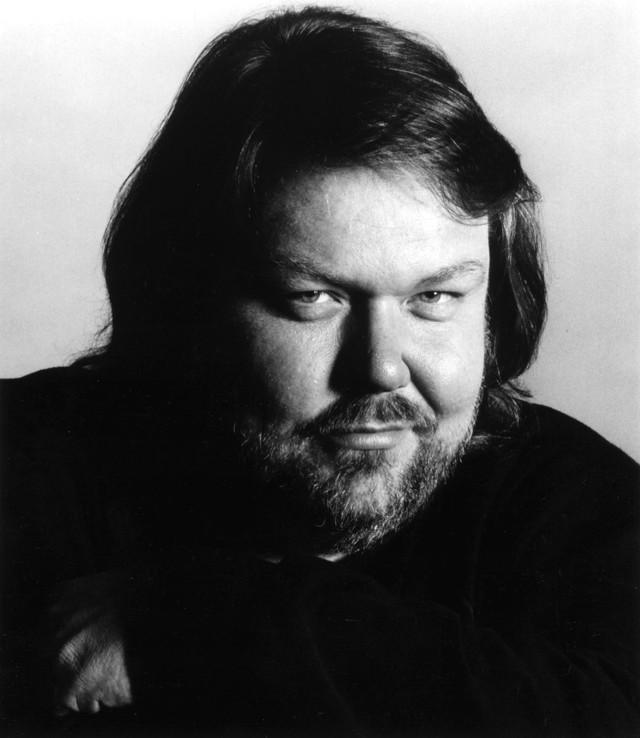
Al Anderson

Country
Americana/Alt Country
Rockabilly
 Viberate Rank: 469512
 Viberate Rank: 469512
 Monthly ListenersFollowers
 Subscribers
 Followers
 Followers
 FansTop Spotify Songs
| Track | 7-Day Streams | |
|---|---|---|
1 | 112 | |
2 | 86 | |
3 | 82 | |
4 | 65 | |
5 | 42 |
Top YouTube VideosMonthly ListenersFeatured in Playlists| Playlist | Followers | |
|---|---|---|
1 |  Drinking Songs Best Playlists Ever | 14.49K |
2 |  Country Road Trip tomcareedy | 3.80K |
3 | Country Funk & Swamp Rock Gutfeeling Records | 3.69K |
4 | Big Bad John – Jimmy Dean freifunker | 2.63K |
5 | Rocabilly & 50's mort1lien | 2.28K |
Audience| City | Monthly Listeners | |
|---|---|---|
1 |  | 15 |
2 | | 13 |
3 |  | 12 |
4 | | 11 |
5 |  | 10 |
See full performance history, audience data, playlist activity, rankings, comparisons, and more in Viberate music analytics. Start with a free trial, then continue with a paid plan.
Al Anderson’s Spotify BioGuitarist and songwriter Al Anderson is probably still best known for his 22-year stint with roots rock renegades NRBQ, though he's distinguished himself as a gifted songwriter and solo artist since striking out on his own. Born in 1947 in Windsor, CT, Anderson was raised in a musical family, and after developing a taste for country music via the radio, he picked up a guitar and was proficient enough to begin playing with a local band, the Visuals, at the age of 11. (An out of print EP, Little Al, featured home recordings of Anderson made the year before.) After playing with several local teen combos, Anderson ended up playing guitar with a band called the Six Packs, who in 1966 changed their name to the Wildweeds. In 1967, the first song Anderson wrote for the band, a tough R&B-influenced tune called "No Good to Cry," became a massive hit on the East Coast and was picked up for national distribution by Cadet Records. While the song briefly cracked the Billboard Top 100 (and was… covered by a Florida band called the Hour Glass, who in time would evolve into the Allman Brothers Band), the Wildweeds never managed to grow beyond their massive regional popularity, and their sole full-length album, a self-titled effort released by Vanguard in 1970, found them moving into a country-rock direction shortly before they broke up. (A compilation of the Wildweeds' Cadet-era material was released in 2002.)
In 1971, shortly after the Wildweeds folded, Anderson signed on as guitarist with NRBQ, following the departure of original guitarist Steve Ferguson. Anderson's love of country, R&B, rockabilly, and jazz made him the perfect match for the ever-eclectic group, and along with his blazing fretboard work, Anderson contributed more than a few memorable songs to the group's catalog, including "Ridin' in My Car," "It Comes to Me Naturally," "Crazy Like a Fox," and "A Girl Like That." In 1972, still owing Vanguard an album under the Wildweeds' contract, Anderson cut his first solo set (simply called Al Anderson), featuring NRBQ bandmates Terry Adams and Tom Staley, and Wildweeds bassist Al Lepak. In 1989, Anderson quietly released his second solo album, Party Favors, and collaborated on tunes with noted songwriter John Hiatt. Over the next several years, Anderson began concentrating more and more on his songwriting and became disenchanted with NRBQ's busy tour schedule. After a tune Anderson wrote for Carlene Carter, "Every Little Thing," became a massive hit on country radio, Anderson left the band, saying he had "no hard feelings. It was a great band before, and will be a great band after."
While Anderson occasionally toured as a guitarist-for-hire for a number of country acts, he devoted the bulk of his time to his songwriting, and in time landed tunes with some of the biggest Nashville hitmakers of the 1990s, including Trisha Yearwood, LeAnn Rimes, Alabama, the Mavericks, and Deana Carter. Anderson did find time to cut another solo album in 1996, the raucous roots rock set Pay Before You Pump, as well as the 14-track After Hours in 2006. ~ Mark Deming, Rovi
Viberate is a music analytics platform built for A&Rs, artist managers, labels, booking agents, marketers, and artists.
It helps music professionals track artist growth, analyze audience data, monitor playlist activity, compare artists, follow song performance, and identify opportunities across the music market.
Public artist pages provide a free preview of selected artist data. Paid plans provide access to deeper analytics, historical data, charts, comparisons, playlist tools, exports, alerts, reports, and additional professional features.
Yes. Public Viberate artist pages provide selected artist analytics and music data for free.
Viberate also offers a 7-day free trial of the full platform. A credit card is required to start the trial. The trial includes access to the complete product so users can test deeper artist analytics, historical views, playlist insights, comparisons, charts, exports, alerts, and reporting features before choosing a paid plan.
Viberate provides artist analytics across streaming, playlists, social media, video, radio airplay, songs, and audience markets.
Users can analyze Spotify performance, Spotify and Apple Music playlists, YouTube activity, TikTok and Instagram growth, radio spins, song performance, audience locations, demographics, rankings, and overall artist momentum.
Artist profiles also connect to music charts, similar artists, and comparison tools, helping users benchmark performance and evaluate artists in context.
Viberate updates key artist and track data daily.
For followed artists and tracks, selected data is refreshed multiple times per day. This helps teams monitor playlist changes, streaming movement, audience growth, releases, and campaign performance with more current data.
Update frequency can vary depending on the metric and data source.
Yes. Viberate lets users compare up to five artists side by side across streaming, social media, audience, and engagement metrics.
Users can compare fanbase growth, audience demographics, locations, Spotify performance, social metrics, and other artist data over selected time periods.
Artist comparison can be used for A&R scouting, benchmarking, booking decisions, campaign planning, and evaluating artists with similar audiences or market positions.