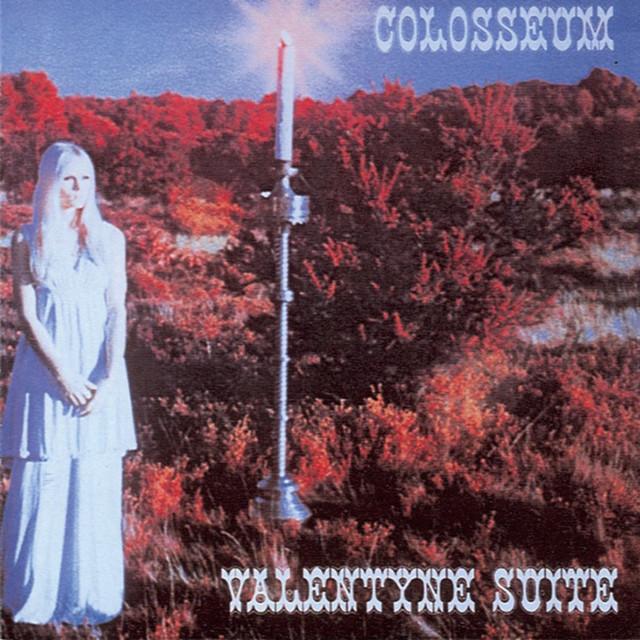
Colosseum

Rock
Alternative Rock
Progressive Rock
 Viberate Rank: 147710
 Viberate Rank: 147710
 Monthly ListenersFollowers
 Subscribers
 Followers
 Followers
 FansTop Spotify Songs
| Track | 7-Day Streams | |
|---|---|---|
1 | 1.82K | |
2 | 1.20K | |
3 | 1.10K | |
4 | 897 | |
5 | 609 |
Top YouTube VideosMonthly ListenersFeatured in Playlists| Playlist | Followers | |
|---|---|---|
1 |  FENRIZ METAL Gylve | 32.35K |
2 |  Prog Rock Classics SWÖRD BOY | 13.43K |
3 | 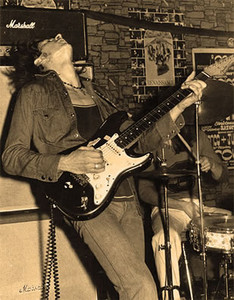 70s Proto-Metal, Heavy Psych & Obscure Hard Rock Jordan Edrei | 11.27K |
4 |  SWR1-Hitparade Top 1000 1121732170 | 10.69K |
5 |  SWR1 Hitparade in Baden-Württemberg SWR1 | 9.90K |
Audience| City | Monthly Listeners | |
|---|---|---|
1 | | 253 |
2 |  | 196 |
3 | | 193 |
4 | | 171 |
5 |  | 165 |
See full performance history, audience data, playlist activity, rankings, comparisons, and more in Viberate music analytics. Start with a free trial, then continue with a paid plan.
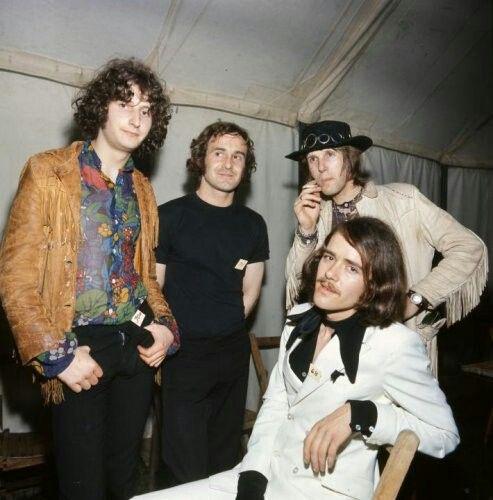
Colosseum’s Spotify BioOne of the most influential of the early British progressive rock bands, Colosseum fused an adventurous approach to rock with strong jazz and blues influences and classical keyboard accents; they earned a loyal and lasting following though they never scored a major breakthrough hit. Colosseum were founded in 1968 by saxophonist Dick Heckstall-Smith, bassist Tony Reeves, and drummer Jon Hiseman; the three had previously worked with John Mayall, playing on his album Bare Wires, and Heckstall-Smith and Hiseman were formerly members of the Graham Bond Organisation. The first lineup was completed with the addition of Dave Greenslade on keyboards, Jim Roche on guitar, and vocalist James Litherland, who took over on guitar when Roche soon departed.
After making their live debut in Scarborough, Colosseum earned a valuable ally in legendary BBC disc jockey John Peel, who featured the band on his Top Gear radio show. Fontana Records signed the band, and their first album, Those Who Are About to… Die Salute You, was released in 1969; it fared well in the charts, and the leadoff track, "Walking in the Park," was issued as a single, though it proved to be the only 7" from the group. Colosseum's second album, Valentyne Suite, appeared later the same year; it was the debut release from Vertigo Records, the influential progressive and hard rock label. (Vertigo and Fontana were both affiliated with the Dutch recording firm Philips.) Released in 1970, Daughter of Time featured a new lineup of the band; James Litherland left to form the band Mogul Thrash and Tony Reeves moved into production full-time, and Colosseum added guitarist Dave Clempson, bassist Mark Clarke, and lead vocalist Chris Farlowe. Another Colosseum album, The Grass Is Greener, appeared in 1970, but it was in fact a revised version of Valentyne Suite, released only in the United States and featuring four of the original selections from the LP and four new songs.
In 1971, Colosseum jumped ship from Vertigo to the newly formed Bronze Records and recorded a handful of shows at Manchester University and the Big Apple club in Brighton; the band broke up before they could complete a studio album for their new label, and 1971's Colosseum Live would prove to be the last release from the group's first era. In 1975, Jon Hiseman launched Colosseum II, a more jazz-oriented combo that also featured Gary Moore on guitar and Don Airey on keyboards; the new group released three albums before parting ways in 1978. In 1994, the Daughter of Time lineup of Colosseum reunited for a concert tour, and a live album was drawn from the concerts. The band issued a new studio album in 1997, Breads & Circuses, and Colosseum reconvened for periodic recordings and live shows in subsequent years. The group's final album was 2014's Time on Our Side, and the ensemble's last live appearance was made at a farewell concert the following year. Saxophonist Barbara Thompson (who was married to Jon Hiseman) frequently appeared with the reunited version of Colosseum, and became an official member of the group following the death of Dick Heckstall-Smith in 2004. Jon Hiseman died in 2018 at the age of 73. ~ Mark Deming, Rovi
Viberate is a music analytics platform built for A&Rs, artist managers, labels, booking agents, marketers, and artists.
It helps music professionals track artist growth, analyze audience data, monitor playlist activity, compare artists, follow song performance, and identify opportunities across the music market.
Public artist pages provide a free preview of selected artist data. Paid plans provide access to deeper analytics, historical data, charts, comparisons, playlist tools, exports, alerts, reports, and additional professional features.
Yes. Public Viberate artist pages provide selected artist analytics and music data for free.
Viberate also offers a 7-day free trial of the full platform. A credit card is required to start the trial. The trial includes access to the complete product so users can test deeper artist analytics, historical views, playlist insights, comparisons, charts, exports, alerts, and reporting features before choosing a paid plan.
Viberate provides artist analytics across streaming, playlists, social media, video, radio airplay, songs, and audience markets.
Users can analyze Spotify performance, Spotify and Apple Music playlists, YouTube activity, TikTok and Instagram growth, radio spins, song performance, audience locations, demographics, rankings, and overall artist momentum.
Artist profiles also connect to music charts, similar artists, and comparison tools, helping users benchmark performance and evaluate artists in context.
Viberate updates key artist and track data daily.
For followed artists and tracks, selected data is refreshed multiple times per day. This helps teams monitor playlist changes, streaming movement, audience growth, releases, and campaign performance with more current data.
Update frequency can vary depending on the metric and data source.
Yes. Viberate lets users compare up to five artists side by side across streaming, social media, audience, and engagement metrics.
Users can compare fanbase growth, audience demographics, locations, Spotify performance, social metrics, and other artist data over selected time periods.
Artist comparison can be used for A&R scouting, benchmarking, booking decisions, campaign planning, and evaluating artists with similar audiences or market positions.