Cockney Rejects

Punk
Punk Rock
 Viberate Rank: 68134
 Viberate Rank: 68134
 Monthly ListenersFollowers
 Subscribers
 Followers
 Followers
 FansTop Spotify Songs
| Track | 7-Day Streams | |
|---|---|---|
1 | 16.45K | |
2 | 6.47K | |
3 | 4.73K | |
4 | 4.09K | |
5 | 3.85K |
Top YouTube VideosMonthly ListenersFeatured in Playlists| Playlist | Followers | |
|---|---|---|
1 |  Punk Classics Filtr Legacy Sweden | 73.29K |
2 |  PUNK (70s+80s) (Ultimate Playlist) KERRIO88 | 22.16K |
3 |  Skinhead Oi 4 Life Tony Howell | 19.31K |
4 |  The Evolution of Punk (In Chronological Order) kingfirley | 16.18K |
5 |  SAS: Rouge Heroes (S1&2) Charlie | 15.69K |
Audience| City | Monthly Listeners | |
|---|---|---|
1 | | 1.67K |
2 |  | 1.39K |
3 |  | 996 |
4 | | 887 |
5 | | 810 |
See full performance history, audience data, playlist activity, rankings, comparisons, and more in Viberate music analytics. Start with a free trial, then continue with a paid plan.
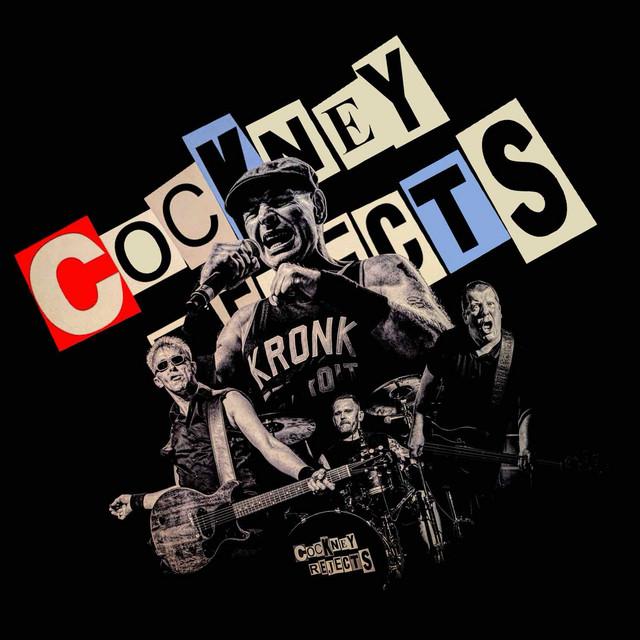
Cockney Rejects’ Spotify BioFew stories in British rock are as raw and turbulent as that of the Cockney Rejects. Formed in East London in the late 1970s, they rejected the art-school punk scene, delivering a fiercely working-class sound. Their lyrics reflected the realities of inner-city life—police harassment, street battles, and football—striking a chord with the youth of the time.
Signed by EMI after just four gigs, the Rejects quickly rose to fame with sell-out UK tours and a chart-topping debut album. Their wild antics on Top of the Pops earned them a ban from the show, adding to their rebellious reputation. In 1980, they recorded the iconic “I’m Forever Blowing Bubbles” to celebrate West Ham United’s FA Cup final, but their football loyalties fueled violence at gigs, culminating in the infamous “Battle of Birmingham.” This led to criminal charges and forced the band to step back from touring.
In the 1990s, the Rejects gained new fans as bands like Rancid and Green Day cited them as inspirations. Returning to… the stage in 2000, they have since performed to massive audiences worldwide, known for their high-energy live shows.
In January 2024, the band evolved. Lead singer Jeff “Stinky” Turner now fronts a revitalized lineup featuring Olga (Toy Dolls) on guitar, JJ Kaos (Last Resort, Anti-Nowhere League) on bass, and Ray Dust (The Business, Argy Bargy) on drums. This “punk rock supergroup” is bringing the Cockney Rejects’ legacy to fans across the globe.
Viberate is a music analytics platform built for A&Rs, artist managers, labels, booking agents, marketers, and artists.
It helps music professionals track artist growth, analyze audience data, monitor playlist activity, compare artists, follow song performance, and identify opportunities across the music market.
Public artist pages provide a free preview of selected artist data. Paid plans provide access to deeper analytics, historical data, charts, comparisons, playlist tools, exports, alerts, reports, and additional professional features.
Yes. Public Viberate artist pages provide selected artist analytics and music data for free.
Viberate also offers a 7-day free trial of the full platform. A credit card is required to start the trial. The trial includes access to the complete product so users can test deeper artist analytics, historical views, playlist insights, comparisons, charts, exports, alerts, and reporting features before choosing a paid plan.
Viberate provides artist analytics across streaming, playlists, social media, video, radio airplay, songs, and audience markets.
Users can analyze Spotify performance, Spotify and Apple Music playlists, YouTube activity, TikTok and Instagram growth, radio spins, song performance, audience locations, demographics, rankings, and overall artist momentum.
Artist profiles also connect to music charts, similar artists, and comparison tools, helping users benchmark performance and evaluate artists in context.
Viberate updates key artist and track data daily.
For followed artists and tracks, selected data is refreshed multiple times per day. This helps teams monitor playlist changes, streaming movement, audience growth, releases, and campaign performance with more current data.
Update frequency can vary depending on the metric and data source.
Yes. Viberate lets users compare up to five artists side by side across streaming, social media, audience, and engagement metrics.
Users can compare fanbase growth, audience demographics, locations, Spotify performance, social metrics, and other artist data over selected time periods.
Artist comparison can be used for A&R scouting, benchmarking, booking decisions, campaign planning, and evaluating artists with similar audiences or market positions.