Angelic Upstarts

Punk
Punk Rock
 Viberate Rank: 112656
 Viberate Rank: 112656
 Monthly ListenersFollowers
 Subscribers
 Followers
 Followers
 FansTop Spotify Songs
| Track | 7-Day Streams | |
|---|---|---|
1 | 4.76K | |
2 | 3.33K | |
3 | 3.17K | |
4 | 1.76K | |
5 | 1.06K |
Top YouTube VideosMonthly ListenersFeatured in Playlists| Playlist | Followers | |
|---|---|---|
1 | GRUNGE zerubi | 80.89K |
2 |  Punk Classics Filtr Legacy Sweden | 73.29K |
3 |  The Evolution of Punk (In Chronological Order) kingfirley | 16.18K |
4 |  70's PUNK ROCK kristian | 16.11K |
5 | Oi! & Punk 1500 songs Ollebolle | 15.31K |
Audience| City | Monthly Listeners | |
|---|---|---|
1 |  | 1.25K |
2 | | 1.08K |
3 | | 1.04K |
4 | | 749 |
5 |  | 579 |
See full performance history, audience data, playlist activity, rankings, comparisons, and more in Viberate music analytics. Start with a free trial, then continue with a paid plan.
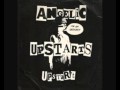
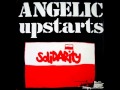
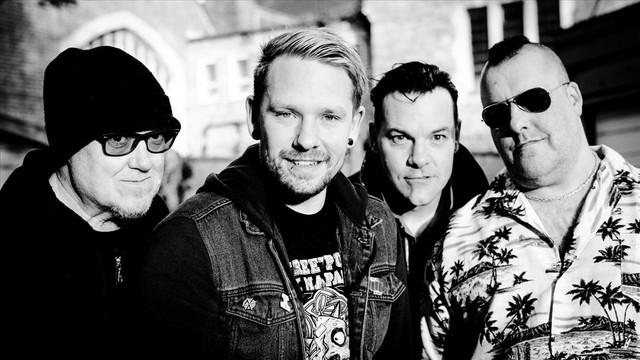
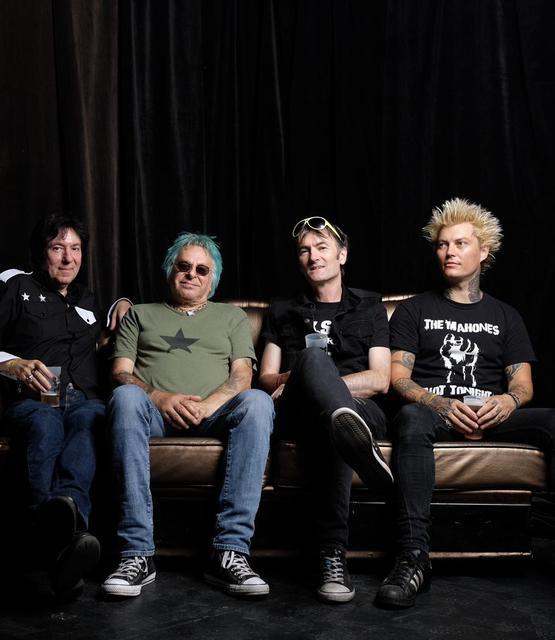
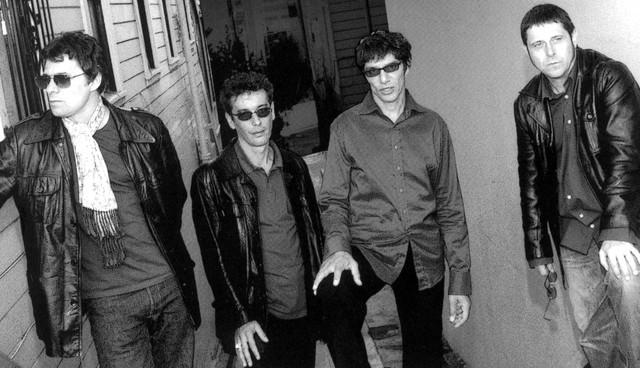
Angelic Upstarts’ Spotify BioFormed in South Shields, England in 1977, the Angelic Upstarts were one of the period's most politically charged and thought-provoking groups; though technically a skinhead band, their records attacked the racism and fascism so prevalent throughout the skinhead community, and while also technically a punk unit, their music quickly evolved beyond the movement's limited scope.
The Angelic Upstarts were led by the rather nasal vocalist Mensi (born Thomas Mensforth), whose impoverished childhood became a frequent lyrical touchstone. Along with a highly fluid lineup which initially comprised guitarist Mond, bassist Ronnie Wooden, and drummer Sticks, the group debuted with the 1979 single "Murder of Liddle Towers," a scabrous attack on police brutality. The record caught the attention of Sham 69's Jimmy Pursey, who produced their debut album, Teenage Warning, which, like its 1980 follow-up, We Gotta Get Out of This Place, roundly ridiculed the oppressive policies of Margaret Thatcher while… offering an outpouring of sympathy for the working class.
As the Upstarts' popularity surged, so did the levels of violence at their live shows; they became mortal enemies of National Front fascist supporters, who railed against the band after first misinterpreting their leftist songs as supportive of their cause. At the same time, the band's music was becoming more complex and accomplished; by 1983's Reason Why?, the strongest Angelic Upstarts record, Mensi's songwriting skills had become tighter and more melodic, even branching out into reggae and folk, while the group's base broadened with the addition of keyboards and saxophones.
After issuing the inflammatory single "Brighton Bomb," a celebration of the IRA's attempt to assassinate the Conservative cabinet, the band released the LP The Power of the Press; lackluster sales triggered their breakup not long after. In 1988, the Angelic Upstarts briefly re-formed; in 1992, they reunited again, this time long enough to cut an album, Bombed Out. Mensi subsequently became a leader of the Anti-Fascist Action group. They managed to reunite occasionally, cutting a live album for Mordam Records (2001's Live from the Justice League), and even revisiting the United States for their first live show in almost 20 years. Mensi (born Thomas Mensforth) died on December 10, 2021 from complications of the COVID-19 virus; he was 65 years old. ~ Jason Ankeny, Rovi
Viberate is a music analytics platform built for A&Rs, artist managers, labels, booking agents, marketers, and artists.
It helps music professionals track artist growth, analyze audience data, monitor playlist activity, compare artists, follow song performance, and identify opportunities across the music market.
Public artist pages provide a free preview of selected artist data. Paid plans provide access to deeper analytics, historical data, charts, comparisons, playlist tools, exports, alerts, reports, and additional professional features.
Yes. Public Viberate artist pages provide selected artist analytics and music data for free.
Viberate also offers a 7-day free trial of the full platform. A credit card is required to start the trial. The trial includes access to the complete product so users can test deeper artist analytics, historical views, playlist insights, comparisons, charts, exports, alerts, and reporting features before choosing a paid plan.
Viberate provides artist analytics across streaming, playlists, social media, video, radio airplay, songs, and audience markets.
Users can analyze Spotify performance, Spotify and Apple Music playlists, YouTube activity, TikTok and Instagram growth, radio spins, song performance, audience locations, demographics, rankings, and overall artist momentum.
Artist profiles also connect to music charts, similar artists, and comparison tools, helping users benchmark performance and evaluate artists in context.
Viberate updates key artist and track data daily.
For followed artists and tracks, selected data is refreshed multiple times per day. This helps teams monitor playlist changes, streaming movement, audience growth, releases, and campaign performance with more current data.
Update frequency can vary depending on the metric and data source.
Yes. Viberate lets users compare up to five artists side by side across streaming, social media, audience, and engagement metrics.
Users can compare fanbase growth, audience demographics, locations, Spotify performance, social metrics, and other artist data over selected time periods.
Artist comparison can be used for A&R scouting, benchmarking, booking decisions, campaign planning, and evaluating artists with similar audiences or market positions.