Clipping.

Hip Hop
Alternative Hip Hop
 Viberate Rank: 39059
 Viberate Rank: 39059
 Monthly ListenersFollowers
 Subscribers
 Followers
 Followers
 FansTop Spotify Songs
| Track | 7-Day Streams | |
|---|---|---|
1 | 46.16K | |
2 | 23.68K | |
3 | 11.89K | |
4 | 9.61K | |
5 | 9.14K |
Top YouTube VideosMonthly ListenersFeatured in Playlists| Playlist | Followers | |
|---|---|---|
1 |  Sludge Spotify | 236.91K |
2 |  The Prose of Rhyming in Rap Estelle Caswell | 108.59K |
3 |  Need for Speed Unbound Need for Speed | 76.78K |
4 |  The Sound of Everything The Sounds of Spotify | 53.82K |
5 |  Rick and Morty: The Playlist PlayStation®️ | 45.19K |
Audience| City | Monthly Listeners | |
|---|---|---|
1 |  | 3.39K |
2 |  | 3.26K |
3 | | 3.17K |
4 | | 3.11K |
5 | | 2.59K |
See full performance history, audience data, playlist activity, rankings, comparisons, and more in Viberate music analytics. Start with a free trial, then continue with a paid plan.
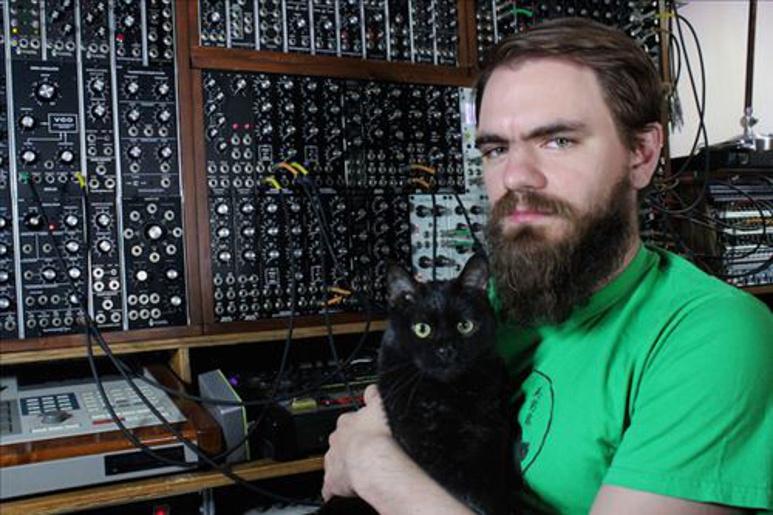
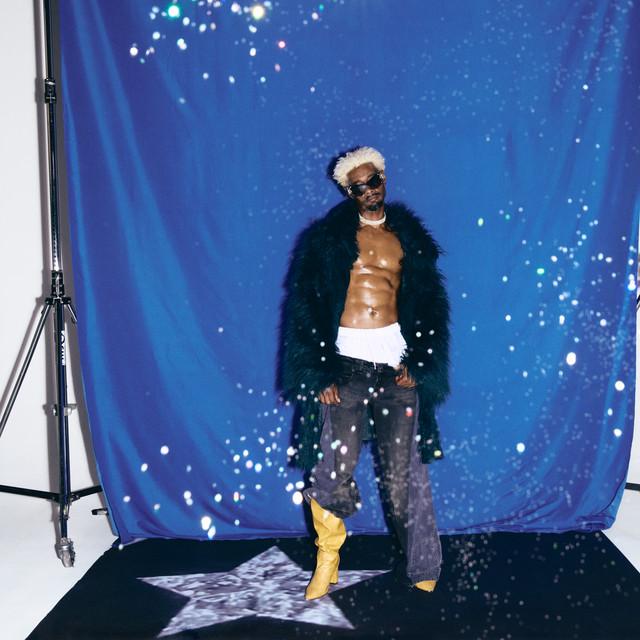
Clipping.’s Spotify BioClipping (Daveed Diggs, William Hutson, and Jonathan Snipes) are very story-oriented. Across six albums, along with countless singles, remixes, and collaborations, Clipping has been approaching making music like writing science fiction since the band’s conception.
While their last few projects have been record-long concepts like the classic prog rock of old, new album Dead Channel Sky is mixtape-like, a carefully curated collection of songs in which every track is a love letter to a possible present. Like a mashup of distinct elements, the overall concept is there, but the result is brief glimpses into a world rather than an overview of it. It sounds crisp and classic at the same time.
On Dead Channel Sky, Clipping texture-map the twin histories of hip-hop and cyberpunk onto an alternate present where Rammellzee and Bambaataa are the superheroes of old; where Cybotron and Mantronix are the reigning legends; where Egyptian Lover and Freestyle, are debated endlessly, and Ultramag and… Public Enemy are the undeniable forefathers; where the lost movements of 1980s and the 1990s are still happening: rave, trip-hop, hip-house, acid house, drum & bass, big beat—the detritus of a different timeline, the survivors of armed audio warfare. That war at thirty-three and a third, its atrocities imprinted upon yet another generation, what someone once called, “the presence of the significance of things” without a hint of ambiguity.
Viberate is a music analytics platform built for A&Rs, artist managers, labels, booking agents, marketers, and artists.
It helps music professionals track artist growth, analyze audience data, monitor playlist activity, compare artists, follow song performance, and identify opportunities across the music market.
Public artist pages provide a free preview of selected artist data. Paid plans provide access to deeper analytics, historical data, charts, comparisons, playlist tools, exports, alerts, reports, and additional professional features.
Yes. Public Viberate artist pages provide selected artist analytics and music data for free.
Viberate also offers a 7-day free trial of the full platform. A credit card is required to start the trial. The trial includes access to the complete product so users can test deeper artist analytics, historical views, playlist insights, comparisons, charts, exports, alerts, and reporting features before choosing a paid plan.
Viberate provides artist analytics across streaming, playlists, social media, video, radio airplay, songs, and audience markets.
Users can analyze Spotify performance, Spotify and Apple Music playlists, YouTube activity, TikTok and Instagram growth, radio spins, song performance, audience locations, demographics, rankings, and overall artist momentum.
Artist profiles also connect to music charts, similar artists, and comparison tools, helping users benchmark performance and evaluate artists in context.
Viberate updates key artist and track data daily.
For followed artists and tracks, selected data is refreshed multiple times per day. This helps teams monitor playlist changes, streaming movement, audience growth, releases, and campaign performance with more current data.
Update frequency can vary depending on the metric and data source.
Yes. Viberate lets users compare up to five artists side by side across streaming, social media, audience, and engagement metrics.
Users can compare fanbase growth, audience demographics, locations, Spotify performance, social metrics, and other artist data over selected time periods.
Artist comparison can be used for A&R scouting, benchmarking, booking decisions, campaign planning, and evaluating artists with similar audiences or market positions.