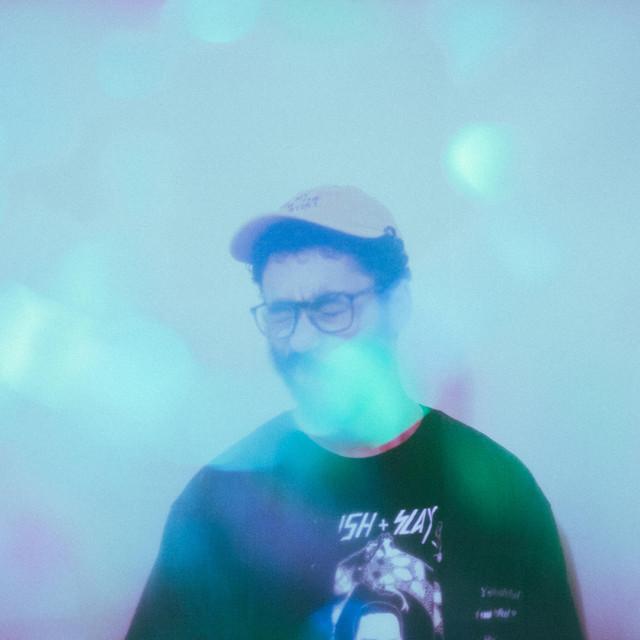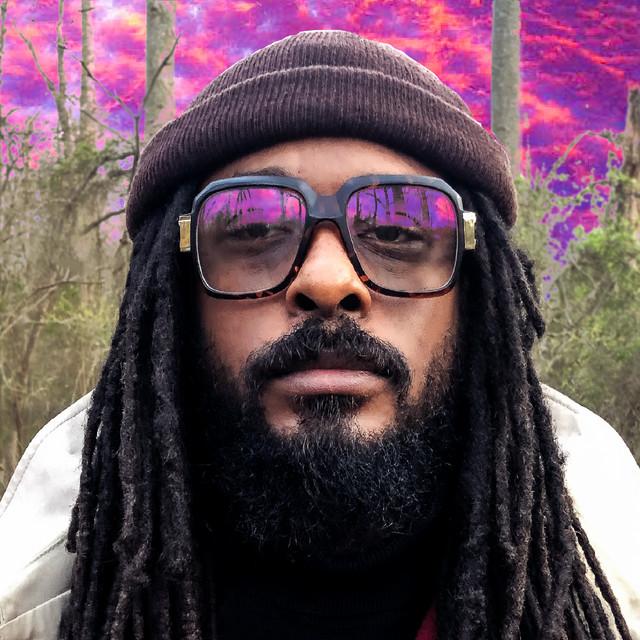
Open Mike Eagle

Hip Hop
Alternative Hip Hop
 Viberate Rank: 46159
 Viberate Rank: 46159
 Monthly ListenersFollowers
 Subscribers
 Followers
 Followers
 FansTop Spotify Songs
| Track | 7-Day Streams | |
|---|---|---|
1 | 50.12K | |
2 | 9.46K | |
3 | 6.73K | |
4 | 6.11K | |
5 | 6.11K |
Top YouTube Videos| Video | 7-Day Views | |
|---|---|---|
1 | 31.26K | |
2 | 4.69K | |
3 | 3.82K | |
4 | 1.42K | |
5 | 1.28K |
Monthly ListenersFeatured in Playlists| Playlist | Followers | |
|---|---|---|
1 |  Pitchfork's Best New Music Pitchfork | 177.07K |
2 |  Orbit Spotify | 110.24K |
3 |  The Prose of Rhyming in Rap Estelle Caswell | 108.59K |
4 | Adventure Time All Songs Jack | 75.12K |
5 |  BEST OF MF DOOM Tijmen | 67.72K |
Audience| City | Monthly Listeners | |
|---|---|---|
1 | | 2.21K |
2 | | 2.00K |
3 | | 1.96K |
4 |  | 1.84K |
5 | | 1.39K |
See full performance history, audience data, playlist activity, rankings, comparisons, and more in Viberate music analytics. Start with a free trial, then continue with a paid plan.
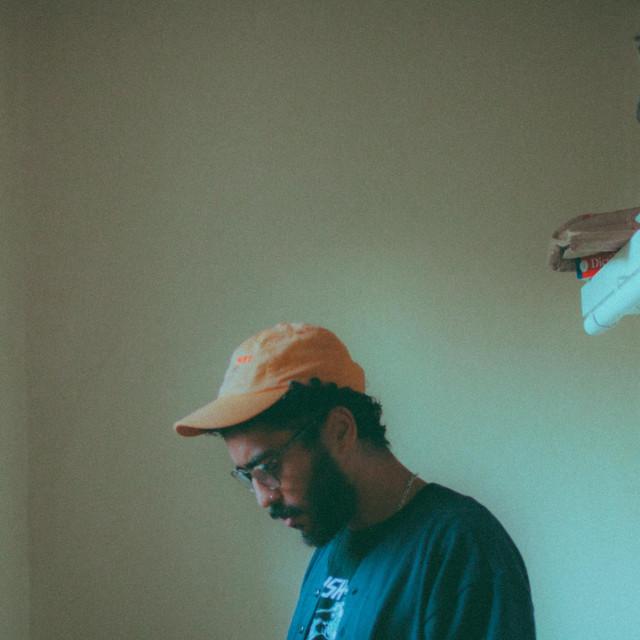
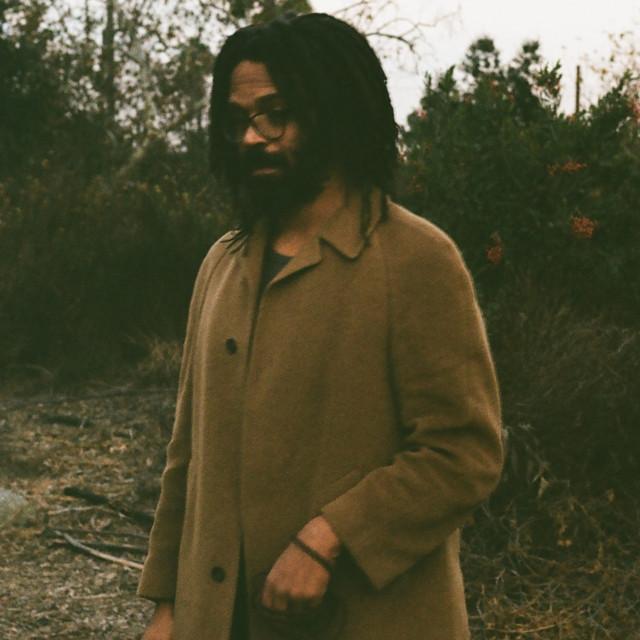
Open Mike Eagle’s Spotify BioLos Angeles-based emcee, comedian, and podcaster Open Mike Eagle coined the term "art rap" to describe his whip-smart, literate style of hip-hop, which draws inspiration from Freestyle Fellowship and De La Soul as well as They Might Be Giants and Pavement. A longtime affiliate of the influential Project Blowed collective, he co-founded the trio Thirsty Fish and larger battle crew Swim Team during the 2000s before making his solo debut with 2010's Unapologetic Art Rap, a humorous set of reflections on everyday life that lived up to its title. He maintained a prolific pace throughout the decade and beyond, receiving acclaim for autobiographical releases like Dark Comedy (2014) and Brick Body Kids Still Daydream (2017) while additionally becoming a respected figure in the comedy world, co-hosting several podcasts as well as the Comedy Central series The New Negroes. With 2020's Anime, Trauma and Divorce, he continued to use his music as an outlet to process personal issues. A much rawer,… mixtape-style release titled Component System with the Auto Reverse appeared in 2022.
Michael Eagle II was born in Chicago in 1980. It was at the Southern Illinois University Carbondale that the aspiring MC became an RA, and after he met Hannibal Buress, the resident advisor and student became fast friends. Grad school took him to the West Coast, where he began attending Project Blowed's open-mic workshops. He founded the group Thirsty Fish with Dumbfoundead and Psychosiz, debuting with the 2007 full-length Testing the Waters. All three rappers co-founded the battle crew Swim Team, which released the mixtape Ocean's 11 in 2008. Eagle released a mixtape titled Premeditated Folly the same year, but he made his official solo debut with 2010's Unapologetic Art Rap, an album that featured college bud Buress along with left-field MCs like Busdriver and Serengeti. It was released by Mush Records, who also issued companion EP Art Rap After Party and Thirsty Fish's second album, 2011's Watergate. Eagle's Rappers Will Die of Natural Causes appeared on the Hellfyre Club label, which released a trio of EPs from the rapper, beginning with Extended Nightmares Getdown: The Blue Door and continuing with Rent Party Extension (2012) and Sir Rockabye (2013).
Eagle collaborated with producer Awkward and issued 4NML HSPTL on Fake Four in 2012. Mello Music Group released the aptly titled Dark Comedy in 2014, the same year that Eagle submitted a track to The Ron and Fez Show, which the satellite radio talk show duo soon picked up as their theme song. He launched his podcast Secret Skin that year, and co-hosted Conversation Parade, a podcast about the popular Cartoon Network series Adventure Time, in 2015. Mello issued Eagle's 2015 EP A Special Episode Of as well as Time and Materials, the debut by Cavanaugh, his duo with Serengeti. He stuck with the label for 2016's Hella Personal Film Festival, an album recorded with U.K. producer Paul White, as well as 2017's Brick Body Kids Still Daydream, a concept album about the housing project in Chicago where he grew up. The same month of the album's release, Eagle appeared on an episode of the final season of Adventure Time, playing a rapping gingerbread man.
In 2018, Eagle started his label Auto Reverse Records and released the EP What Happens When I Try to Relax. The New Negroes, a standup and music series co-hosted by Eagle and Baron Vaughn, premiered on Comedy Central in 2019. Each episode concluded with a music video featuring guest rappers including Lizzo, MF Doom, Danny Brown, Method Man, and others; a soundtrack for the series' first season was issued digitally. Cavanaugh's Quarantine Recordings EP appeared in 2020, preceding Eagle's solo full-length Anime, Trauma and Divorce, mixed and co-executive produced by Jacknife Lee. Component System with the Auto Reverse, inspired by making mixtapes from late-'90s rap broadcasts on college radio, was released in 2022. ~ David Jeffries & Paul Simpson, Rovi
Viberate is a music analytics platform built for A&Rs, artist managers, labels, booking agents, marketers, and artists.
It helps music professionals track artist growth, analyze audience data, monitor playlist activity, compare artists, follow song performance, and identify opportunities across the music market.
Public artist pages provide a free preview of selected artist data. Paid plans provide access to deeper analytics, historical data, charts, comparisons, playlist tools, exports, alerts, reports, and additional professional features.
Yes. Public Viberate artist pages provide selected artist analytics and music data for free.
Viberate also offers a 7-day free trial of the full platform. A credit card is required to start the trial. The trial includes access to the complete product so users can test deeper artist analytics, historical views, playlist insights, comparisons, charts, exports, alerts, and reporting features before choosing a paid plan.
Viberate provides artist analytics across streaming, playlists, social media, video, radio airplay, songs, and audience markets.
Users can analyze Spotify performance, Spotify and Apple Music playlists, YouTube activity, TikTok and Instagram growth, radio spins, song performance, audience locations, demographics, rankings, and overall artist momentum.
Artist profiles also connect to music charts, similar artists, and comparison tools, helping users benchmark performance and evaluate artists in context.
Viberate updates key artist and track data daily.
For followed artists and tracks, selected data is refreshed multiple times per day. This helps teams monitor playlist changes, streaming movement, audience growth, releases, and campaign performance with more current data.
Update frequency can vary depending on the metric and data source.
Yes. Viberate lets users compare up to five artists side by side across streaming, social media, audience, and engagement metrics.
Users can compare fanbase growth, audience demographics, locations, Spotify performance, social metrics, and other artist data over selected time periods.
Artist comparison can be used for A&R scouting, benchmarking, booking decisions, campaign planning, and evaluating artists with similar audiences or market positions.