Cledus T. Judd

Country
Americana/Alt Country
Mainstream Pop
 Viberate Rank: 93324
 Viberate Rank: 93324
 Monthly ListenersFollowers
 Subscribers
 Followers
 Followers
 FansTop Spotify Songs
| Track | 7-Day Streams | |
|---|---|---|
1 | 4.90K | |
2 | 4.10K | |
3 | 1.66K | |
4 | 1.36K | |
5 | 1.35K |
Top YouTube VideosMonthly ListenersFeatured in Playlists| Playlist | Followers | |
|---|---|---|
1 | Dirty adult songs Sue Nami | 17.17K |
2 |  GermanRednecks German Rednecks | 9.01K |
3 | Dr Demento Flashbacks Paul Jankovskis | 5.99K |
4 |  rock/country ouellette66 | 5.71K |
5 |  Country Party Playlist 🎸 Jason Whaley | 5.56K |
Audience| City | Monthly Listeners | |
|---|---|---|
1 | | 608 |
2 | | 599 |
3 | | 588 |
4 | | 571 |
5 | | 569 |
See full performance history, audience data, playlist activity, rankings, comparisons, and more in Viberate music analytics. Start with a free trial, then continue with a paid plan.
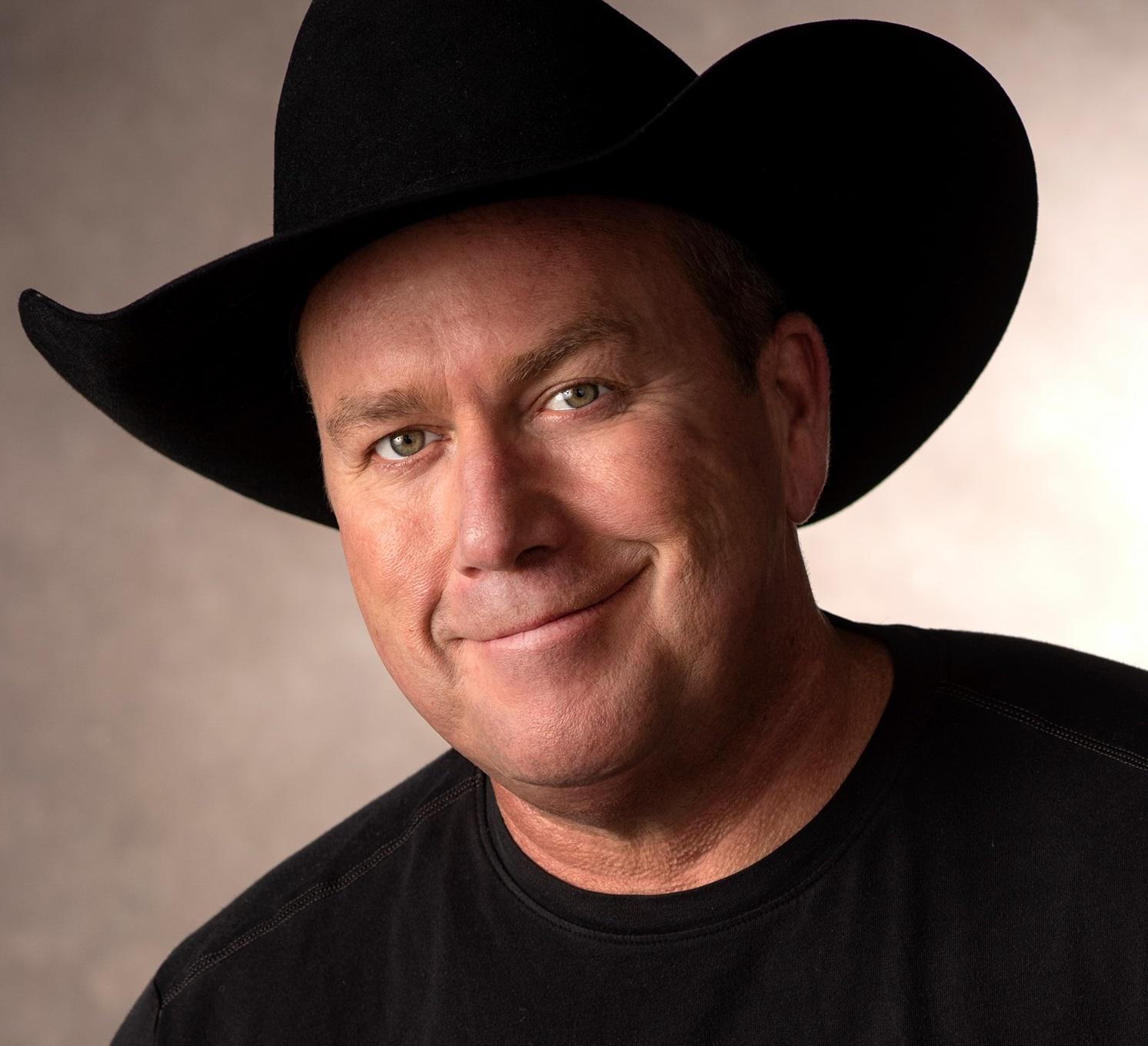
Cledus T. Judd’s Spotify BioCountry music's answer to Weird Al Yankovic, Cledus T. Judd had a similar approach to song parody, recording backing tracks that were as similar as possible to the original versions. Like Yankovic, he also recorded some original material, but parodies of recent country hits were his bread and butter; also like Yankovic, a Judd parody came to be regarded as a badge of honor by many of the artists he reworked. Judd made his bow in 1995 with the Razor & Tie album Cledus T. Judd (No Relation), a billing that made clear his lack of connection to Wynonna and Naomi. His breakthrough set was the follow-up, 1996's I Stoled This Record, which established his long-running preoccupation with Shania Twain -- not only did he transform her "If You're Not in It for Love (I'm Outta Here)" into "I'm Not in Here for Love (Just Yer Beer)," he also recorded the original "If Shania Was Mine" and had her guest (along with Joe Diffie) on "(She's Got a Butt) Bigger Than the Beatles." Did I Shave My Back for… This?, the title cut a parody of Deana Carter, followed in 1998, also featuring redone material from Brooks & Dunn and Tracy Lawrence, among others. Released in 1999, Juddmental saw him branching out into pop with a Ricky Martin parody as well as a Garth Brooks/Chris Gaines send-up and another ode to Twain, "Shania I'm Broke."
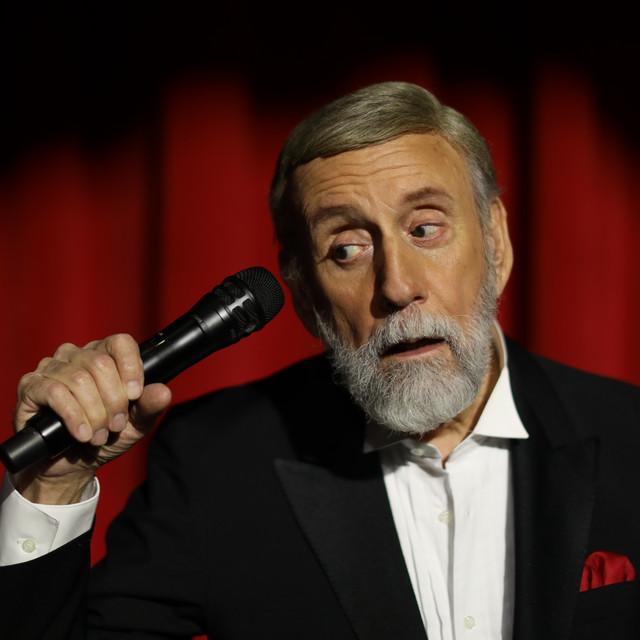
Judd's albums weren't blockbusters, but they sold consistently enough to earn him a major-label contract with Sony's revived Monument imprint. His 2000 major-label debut, Just Another Day in Parodies, skewered material by the Dixie Chicks, Brad Paisley, Kenny Chesney, Toby Keith, and even Kid Rock. The follow-up, 2002's Cledus Envy, offered parodies of Faith Hill and Billy Gilman as well as O Brother, Where Art Thou?'s "Man of Constant Sorrow." Later that year, Judd issued his first holiday album, Cledus Navidad. He returned in 2003 with the mini-album Six Pack of Judd. In 2004 he moved to the Koch label and released Bipolar & Proud, which featured his biggest hit to date, "I Love NASCAR," a parody of Toby Keith's "I Love This Bar." Koch soon closed their Nashville division, just as Judd was about to release his tribute to novelty giant Ray Stevens. The album, Boogity Boogity, finally appeared in 2007 on the Curb label. In 2009, he moved to the E1 label for Polyrically Uncorrect, featuring the single "(If I Had) Kellie Pickler's Boobs." His 2012 effort Parodyziac!! landed on Warner Bros. with the NFL tribute "Tebow" plus "Living Single in a Double Wide." Not long after the 2014 release of his single "Luke Bryan," a parody of Robin Thicke's "Blurred Lines," Judd announced from his Facebook page that he planned to retire from making music and focus on his family. A spoken word memoir titled Things I Remember Before I Forget was released in November 2016. ~ Steve Huey, Rovi
Viberate is a music analytics platform built for A&Rs, artist managers, labels, booking agents, marketers, and artists.
It helps music professionals track artist growth, analyze audience data, monitor playlist activity, compare artists, follow song performance, and identify opportunities across the music market.
Public artist pages provide a free preview of selected artist data. Paid plans provide access to deeper analytics, historical data, charts, comparisons, playlist tools, exports, alerts, reports, and additional professional features.
Yes. Public Viberate artist pages provide selected artist analytics and music data for free.
Viberate also offers a 7-day free trial of the full platform. A credit card is required to start the trial. The trial includes access to the complete product so users can test deeper artist analytics, historical views, playlist insights, comparisons, charts, exports, alerts, and reporting features before choosing a paid plan.
Viberate provides artist analytics across streaming, playlists, social media, video, radio airplay, songs, and audience markets.
Users can analyze Spotify performance, Spotify and Apple Music playlists, YouTube activity, TikTok and Instagram growth, radio spins, song performance, audience locations, demographics, rankings, and overall artist momentum.
Artist profiles also connect to music charts, similar artists, and comparison tools, helping users benchmark performance and evaluate artists in context.
Viberate updates key artist and track data daily.
For followed artists and tracks, selected data is refreshed multiple times per day. This helps teams monitor playlist changes, streaming movement, audience growth, releases, and campaign performance with more current data.
Update frequency can vary depending on the metric and data source.
Yes. Viberate lets users compare up to five artists side by side across streaming, social media, audience, and engagement metrics.
Users can compare fanbase growth, audience demographics, locations, Spotify performance, social metrics, and other artist data over selected time periods.
Artist comparison can be used for A&R scouting, benchmarking, booking decisions, campaign planning, and evaluating artists with similar audiences or market positions.