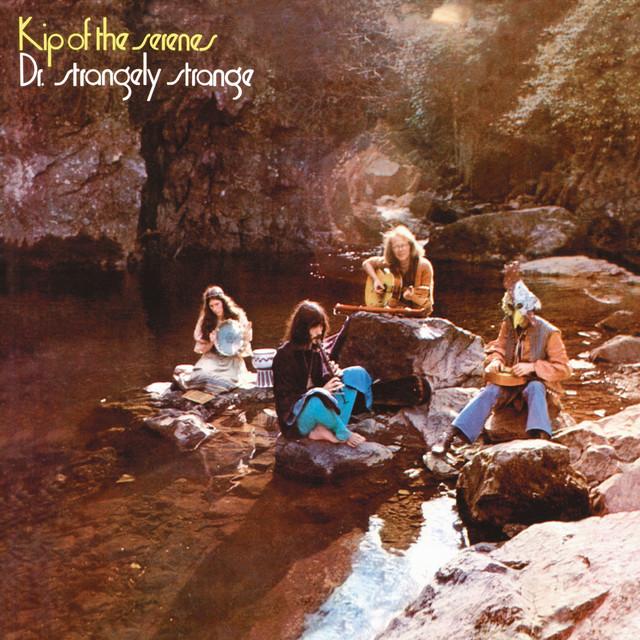
Circulus

Rock
Progressive Rock
Folk Rock
 Viberate Rank: 481948
 Viberate Rank: 481948
 Monthly ListenersFollowers
 Subscribers
 Followers
 Followers
 FansTop Spotify Songs
| Track | 7-Day Streams | |
|---|---|---|
1 | 70 | |
2 | 36 | |
3 | 30 | |
4 | 28 | |
5 | 27 |
Top YouTube VideosMonthly ListenersFeatured in Playlists| Playlist | Followers | |
|---|---|---|
1 |  Folk Horror Revival - Harvest Hymns. The Twisted Roots & Sweet Fruits of Folk Horror Music Jim Peters | 3.83K |
2 |  FOLK HORROR & OCCULT PSYCHEDLIA harmwvlf | 2.15K |
3 | Hey, What's That Sound: Moog xeroxboy | 1.01K |
Audience| City | Monthly Listeners | |
|---|---|---|
1 | | 45 |
2 | | 12 |
3 | | 11 |
4 | | 6 |
5 | | 5 |
See full performance history, audience data, playlist activity, rankings, comparisons, and more in Viberate music analytics. Start with a free trial, then continue with a paid plan.
Circulus’ Spotify BioA fanciful blend of traditional British folk, prog rock, psychedelia, and folk-rock, with a cultural mindset that is rarely seen outside of a revival screening of The Wicker Man, Circulus is the brainchild of Michael Tyack, a songwriter and musician who has set out to create music that exists in the 20th and 16th centuries at once. Based in South London, with Tyack the only constant member after dozens of personnel shifts, Circulus incorporate the drums, guitars, and Moog synthesizers you'd expect from a rock band with a retro early-'70s approach, but also features a variety of medieval instruments, including crumhorns, recorders, and a reed instrument called the rauch pfeifer, whose intense volume Tyack declares "isn't really acceptable to modern ears." Circulus are nearly as well-known for their collective fashion sense as for their music, with Tyack costuming himself and his accompanists in thrift-shop capes, caftans, hats, and masks that are equally influenced by the British hippie… scene and Tyack's self-proclaimed model in style, Philip the Good, who was the Duke of Burgundy in the 13th century. Add to this the stated belief of Tyack and his bandmates in pixies, fairies, and "old gods" and you get a group whose reputation for eccentricity precedes it, but Circulus have also won a loyal audience for the strength of their music, with fans ranging from traditional music enthusiasts to death metal addicts. Circulus made their recorded debut in 1999 with an EP entitled Giantism, but it wasn't until 2005 that the band found a sympathetic record label interesting in financing an album-length recording -- Rise Above Records, an extreme metal label that issued Circulus' full-length debut, The Lick on the Tip of an Envelope Yet to Be Sent. A second album, Clocks Are Like People, followed a year later. ~ Mark Deming, Rovi
Viberate is a music analytics platform built for A&Rs, artist managers, labels, booking agents, marketers, and artists.
It helps music professionals track artist growth, analyze audience data, monitor playlist activity, compare artists, follow song performance, and identify opportunities across the music market.
Public artist pages provide a free preview of selected artist data. Paid plans provide access to deeper analytics, historical data, charts, comparisons, playlist tools, exports, alerts, reports, and additional professional features.
Yes. Public Viberate artist pages provide selected artist analytics and music data for free.
Viberate also offers a 7-day free trial of the full platform. A credit card is required to start the trial. The trial includes access to the complete product so users can test deeper artist analytics, historical views, playlist insights, comparisons, charts, exports, alerts, and reporting features before choosing a paid plan.
Viberate provides artist analytics across streaming, playlists, social media, video, radio airplay, songs, and audience markets.
Users can analyze Spotify performance, Spotify and Apple Music playlists, YouTube activity, TikTok and Instagram growth, radio spins, song performance, audience locations, demographics, rankings, and overall artist momentum.
Artist profiles also connect to music charts, similar artists, and comparison tools, helping users benchmark performance and evaluate artists in context.
Viberate updates key artist and track data daily.
For followed artists and tracks, selected data is refreshed multiple times per day. This helps teams monitor playlist changes, streaming movement, audience growth, releases, and campaign performance with more current data.
Update frequency can vary depending on the metric and data source.
Yes. Viberate lets users compare up to five artists side by side across streaming, social media, audience, and engagement metrics.
Users can compare fanbase growth, audience demographics, locations, Spotify performance, social metrics, and other artist data over selected time periods.
Artist comparison can be used for A&R scouting, benchmarking, booking decisions, campaign planning, and evaluating artists with similar audiences or market positions.