Christine Schäfer

Classical
Opera
Choral
Classical Crossover
 Viberate Rank: 230271
 Viberate Rank: 230271
 Monthly ListenersFollowers
 Subscribers
 Followers
 Followers
 FansTop Spotify Songs
| Track | 7-Day Streams | |
|---|---|---|
1 | 3.81K | |
2 | 2.09K | |
3 | 1.86K | |
4 | 1.68K | |
5 | 1.44K |
Top YouTube VideosMonthly ListenersFeatured in Playlists| Playlist | Followers | |
|---|---|---|
1 |  Amadeus (1984) Original Soundtrack spotifydon2000 | 43.39K |
2 |  FEMALE OPERA ARIAS Eve Moneypenny | 14.64K |
3 |  Mozart - Complete Chronological Catalogue based on Köchel catalogue K6 Ulysses' Classical | 9.54K |
4 |  Bach – Best of Deutsche Grammophon (DG) | 7.41K |
5 |  Beethoven - Complete Chronological Catalogue (Biamonti Catalogue) Ulysses' Classical | 6.53K |
Audience| City | Monthly Listeners | |
|---|---|---|
1 | | 711 |
2 |  | 488 |
3 | | 465 |
4 |  | 427 |
5 |  | 378 |
See full performance history, audience data, playlist activity, rankings, comparisons, and more in Viberate music analytics. Start with a free trial, then continue with a paid plan.
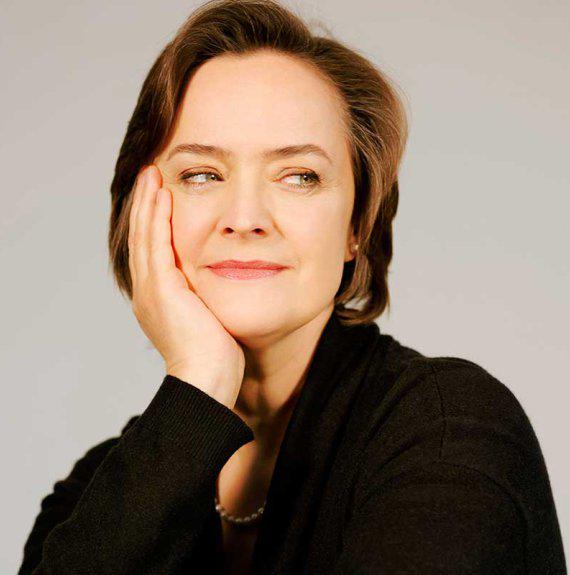
Christine Schäfer’s Spotify BioChristine Schäfer established one of the most stellar careers of any young German soprano in the 1990s and became known for her sensational acting and her mastery of a wide range of repertory and styles.
She enrolled in the Berlin Conservatory in 1984 and studied with Ingrid Figur, whom she considers her primary teacher and credits with giving her a firm technical foundation and a knack for clear projection of German words. She studied with American soprano Arleen Augér who, Schäfer said, taught her how to give total concentration to the work of understanding a musical compossition. Of composer Aribert Reimann, another of her teachers, she says, "His music is fantastic, and as a teacher he is even more so." From him she learned lieder interpretation. She also had master classes with Dietrich Fischer-Dieskau and Sena Jurinac.
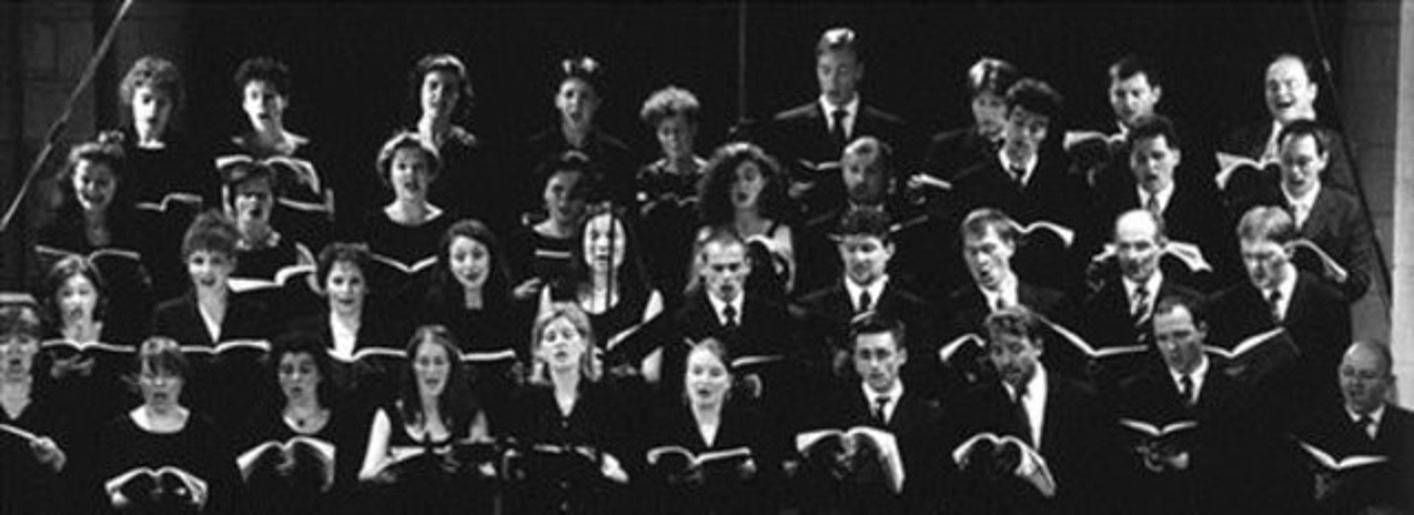
After winning several prestigious prizes, she made a highly acclaimed recital debut at the Berlin Festival in 1988, singing Reimann's cycle Nachträume, and began to… establish a promising recital and concert career. She has sung in Europe with the Gächinger Kantorei, the Windsbacher Knabenchor, the Stuttgarter Hymnus Chorknaban, the RIAS Kammerchor, the Cologne Chamber Orchestra, the Amsterdam New Sinfonietta, and Musica Antiqua of Cologne.
Her concert and recital career included a debut with the Boston Symphony Orchestra in Mahler's Symphony No. 4 in Boston and New York with Seiji Ozawa conducting. Other conductors with whom she has worked are Sir Charles Mackerras, Uwe Gronostay, Wolfgang Schafer, Leopold Hager, Nikolaus Harnoncourt, Sir Simon Rattle, Helmuth Rilling, and Dietrich Fischer-Dieskau.
She is active on the festival circuit, with appearances at the Baroque Festival in Würzburg, the Oregon Bach Festival, the Bach Festival of Los Angeles, the Salzburg Mozart Week, and the Ansbach Bach Week.
Her operatic debut was in 1991 as Papagena in Mozart's Magic Flute at the Théâtre du Monnaie in Brussels. Soon she sang Pamina in the same production when it was given in Salzburg, Zerlina (Don Giovanni) and Gilda in Verdi's Rigoletto in Bern, and Berg's Lulu in Innsbruck, with stage direction by Brigitte Fassbaender.
Her American operatic debut was with the San Francisco Opera during their Strauss Festival of 1993, when she appeared as Sophie in Der Rosenkavalier and then as Zdenka in Arabella at the Houston Grand Opera, conducted by Christoph Eschenbach. Her debut at the Metropolitan Opera in New York was in the 2000-2001 season.
She moved into the first rank of German opera stars when she appeared in Peter Mussbach's controversial production of Lulu at the Salzburg Festival in 1995, her debut role in that Festival. When she returned two years later, it was in a drastically different role, Konstanze in Mozart's Die Entführung aus dem Serail. Other roles she has sung include the title role in Donizetti's Lucia di Lamermoor (Welsh National Opera); Elisa in Mozart's Il Rè Pastore (Amsterdam); Tytania in Britten's A Midsummer Night's Dream (Tel Aviv); Infantin in Der Zwerg by Zemlinsky at the Paris Opéra-Bastille; Zerbinetta in Strauss' Ariadne auf Naxos (Houston); and Reimann's The House of Bernarda Alba in Munich.
She has appeared on several discs in Graham Johnson's Hyperion Schubert series and for the label also recorded a solo recital of Robert Schumann songs, also with Johnson.
Viberate is a music analytics platform built for A&Rs, artist managers, labels, booking agents, marketers, and artists.
It helps music professionals track artist growth, analyze audience data, monitor playlist activity, compare artists, follow song performance, and identify opportunities across the music market.
Public artist pages provide a free preview of selected artist data. Paid plans provide access to deeper analytics, historical data, charts, comparisons, playlist tools, exports, alerts, reports, and additional professional features.
Yes. Public Viberate artist pages provide selected artist analytics and music data for free.
Viberate also offers a 7-day free trial of the full platform. A credit card is required to start the trial. The trial includes access to the complete product so users can test deeper artist analytics, historical views, playlist insights, comparisons, charts, exports, alerts, and reporting features before choosing a paid plan.
Viberate provides artist analytics across streaming, playlists, social media, video, radio airplay, songs, and audience markets.
Users can analyze Spotify performance, Spotify and Apple Music playlists, YouTube activity, TikTok and Instagram growth, radio spins, song performance, audience locations, demographics, rankings, and overall artist momentum.
Artist profiles also connect to music charts, similar artists, and comparison tools, helping users benchmark performance and evaluate artists in context.
Viberate updates key artist and track data daily.
For followed artists and tracks, selected data is refreshed multiple times per day. This helps teams monitor playlist changes, streaming movement, audience growth, releases, and campaign performance with more current data.
Update frequency can vary depending on the metric and data source.
Yes. Viberate lets users compare up to five artists side by side across streaming, social media, audience, and engagement metrics.
Users can compare fanbase growth, audience demographics, locations, Spotify performance, social metrics, and other artist data over selected time periods.
Artist comparison can be used for A&R scouting, benchmarking, booking decisions, campaign planning, and evaluating artists with similar audiences or market positions.