David Wilson-Johnson

Classical
Opera
Choral
 Viberate Rank: 172853
 Viberate Rank: 172853
 Monthly ListenersFollowers
 Subscribers
 Followers
 Followers
 FansTop Spotify Songs
| Track | 7-Day Streams | |
|---|---|---|
1 | 5.98K | |
2 | 5.70K | |
3 | 1.83K | |
4 | 1.32K | |
5 | 1.25K |
Top YouTube VideosMonthly ListenersFeatured in Playlists| Playlist | Followers | |
|---|---|---|
1 |  Choir Classics Spotify | 302.05K |
2 |  Baroque Classics Sony Classical & Jazz Sweden | 131.10K |
3 |  reading in a castle Spotify | 59.18K |
4 |  This Is Stravinsky Spotify | 46.01K |
5 |  This Is Purcell Spotify | 35.81K |
Audience| City | Monthly Listeners | |
|---|---|---|
1 | | 702 |
2 |  | 659 |
3 |  | 599 |
4 |  | 563 |
5 |  | 517 |
See full performance history, audience data, playlist activity, rankings, comparisons, and more in Viberate music analytics. Start with a free trial, then continue with a paid plan.
David Wilson-Johnson’s Spotify BioBass, baritone, and bass-baritone David Wilson-Johnson has performed internationally and has made notable recordings of contemporary works. For many years, he was equally devoted to opera, concert music, and art song, and he is exceptionally prolific as a recording artist.
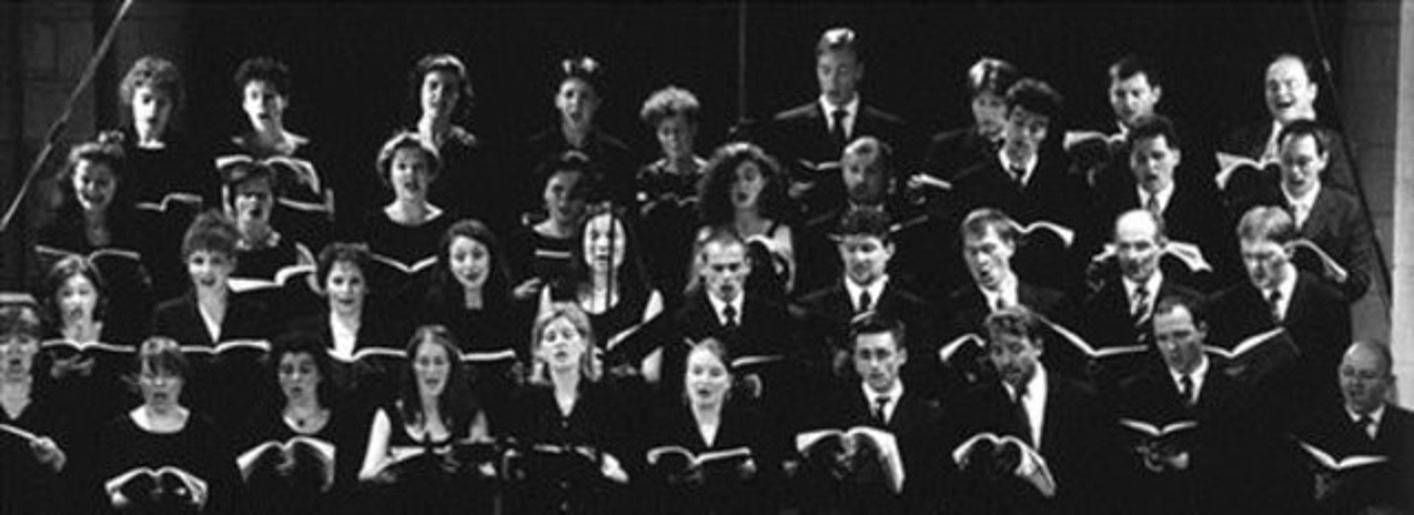
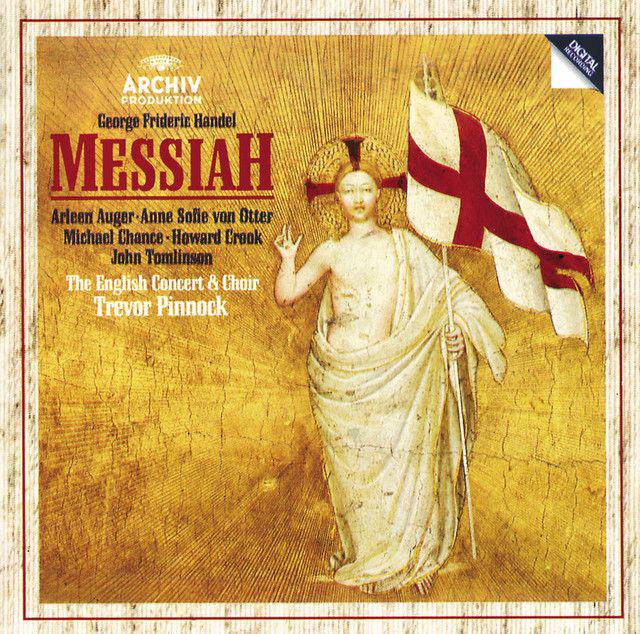
Wilson-Johnson was born in Northampton, England, on November 16, 1950. He attended the nearby Wellingborough school. Wilson-Johnson went on to St. Catharine's College, Cambridge, where he studied modern and medieval languages; his skill with languages has remained with him as he has sung music in Russian, French, German, Italian, and English. Wilson-Johnson's vocal training took place mostly at the Royal Academy of Music in London; there, he won the Dove Prize for most distinguished student. Wilson-Johnson made his professional opera debut at the Royal Opera House at Covent Garden in 1976 in Hans Werner Henze's We Come to the River. That set the pattern for two aspects of Wilson-Johnson's career, which has been… focused on but not exclusively devoted to contemporary music and which has entailed frequent appearances at the Royal Opera House. At the beginning of his career, Wilson-Johnson was a member of the BBC Singers, the Monteverdi Choir, and other prominent British choirs. An early digital recording by Wilson-Johnson appeared on the Archiv Produktion label in 1987 and featured Haydn's Mass in D minor ("Lord Nelson"), H. 22/11.
Wilson-Johnson's career has been notable for its variety, and he has sung roles traditionally designated as for bass, bass-baritone, and baritone. He has appeared at many of the world's major opera houses, singing under conductors as diverse as Pierre Boulez, Gustav Leonhardt, Simon Rattle, and André Previn. His repertory ranges from Sarastro in Mozart's Die Zauberflöte to the title role in Messiaen's Saint François d'Assise, with an emphasis on 20th century works. Wilson-Johnson has been in demand as a concert singer, performing, among many other works, Brahms' Ein deutsches Requiem, Op. 45, at Carnegie Hall in New York under Previn. After the terrorist attacks of September 11, 2011, Wilson-Johnson performed in Beethoven's Symphony No. 9 in D minor, Op. 125 ("Choral"), under conductor Leonard Slatkin at the Last Night of the Proms in London. In song repertory, he performs in many languages and has been associated with pianist David Owen Norris since his student days. Wilson-Johnson has made more than 200 recordings, not all of them in the classical field; he has appeared on recordings by Mike Oldfield and other pop artists. Wilson-Johnson has remained active into old age, and he appeared in 2024 on a newly released 1997 recording of Havergal Brian's opera The Cenci on the Toccata Classics label. ~ James Manheim, Rovi
Viberate is a music analytics platform built for A&Rs, artist managers, labels, booking agents, marketers, and artists.
It helps music professionals track artist growth, analyze audience data, monitor playlist activity, compare artists, follow song performance, and identify opportunities across the music market.
Public artist pages provide a free preview of selected artist data. Paid plans provide access to deeper analytics, historical data, charts, comparisons, playlist tools, exports, alerts, reports, and additional professional features.
Yes. Public Viberate artist pages provide selected artist analytics and music data for free.
Viberate also offers a 7-day free trial of the full platform. A credit card is required to start the trial. The trial includes access to the complete product so users can test deeper artist analytics, historical views, playlist insights, comparisons, charts, exports, alerts, and reporting features before choosing a paid plan.
Viberate provides artist analytics across streaming, playlists, social media, video, radio airplay, songs, and audience markets.
Users can analyze Spotify performance, Spotify and Apple Music playlists, YouTube activity, TikTok and Instagram growth, radio spins, song performance, audience locations, demographics, rankings, and overall artist momentum.
Artist profiles also connect to music charts, similar artists, and comparison tools, helping users benchmark performance and evaluate artists in context.
Viberate updates key artist and track data daily.
For followed artists and tracks, selected data is refreshed multiple times per day. This helps teams monitor playlist changes, streaming movement, audience growth, releases, and campaign performance with more current data.
Update frequency can vary depending on the metric and data source.
Yes. Viberate lets users compare up to five artists side by side across streaming, social media, audience, and engagement metrics.
Users can compare fanbase growth, audience demographics, locations, Spotify performance, social metrics, and other artist data over selected time periods.
Artist comparison can be used for A&R scouting, benchmarking, booking decisions, campaign planning, and evaluating artists with similar audiences or market positions.